In a rapidly evolving digital landscape, personalized telephony solutions are revolutionizing business communication. These tailored platforms, powered by advanced IP technology and cloud management, enable organizations to streamline workflows, enhance customer experiences, and stay agile amid growth. But are companies truly harnessing the full potential of innovative devices like Grandstream’s carrier-grade IP phones and centralized management systems? From automating call routing to supporting remote teams, the practical applications of customized telephony turn routine interactions into strategic advantages. As technology advances, the integration of AI, enhanced security, and multi-channel platforms promise even greater efficiencies. Yet, many organizations face hurdles around compatibility, security, and initial investments. The question remains: Are you leveraging the full power of these solutions to transform communication from a mundane necessity into a competitive edge? Embracing these innovations today can lay the foundation for a future-proof, connected organization that thrives in a digital-first world.
Transforming Business Communication with Customized Telephony Solutions
In today’s fast-moving business world, effective communication isn’t just a convenience—it’s a necessity. Companies need systems that can keep pace with growth and adapt to changing demands, which is where customized telephony solutions come into play. Unlike traditional landlines or generic phone setups, these tailored platforms are designed specifically to fit each organization’s unique workflows, offering greater flexibility and control over daily interactions. They help streamline communication channels, making them faster, more reliable, and better aligned with how teams operate.
The rise of personalized communication is powered by advancements in IP technology and cloud management. Modern systems leverage these tools to create flexible platforms that can be easily configured to meet specific needs. For example, call routing can be customized to direct customers straight to the right department, reducing wait times and enhancing service quality. Automated features like auto-attendants and detailed call analytics not only improve customer experience but also provide valuable insights that help businesses identify areas for ongoing improvement.
Implementing these solutions is about more than just installing new hardware; it’s about transforming how organizations connect internally and externally. Cloud-based management platforms, such as Grandstream’s GDMS, enable remote oversight and control of communication networks. This means companies can deploy, update, and troubleshoot their systems across multiple locations quickly and efficiently, without the need for on-site visits. Such agility ensures that communication infrastructure keeps up with business growth, supporting teams wherever they are.
While the benefits are clear, there are challenges to consider. Compatibility with existing infrastructure and the initial investment can pose hurdles, especially for organizations with legacy hardware. Security is another key concern, as cloud platforms and remote management introduce new vulnerabilities. Choosing solutions designed with security in mind, like Grandstream’s devices, helps organizations safeguard sensitive conversations and data while enjoying the benefits of modern, flexible systems.
Ultimately, personalized telephony solutions turn communication channels into strategic assets. By selecting scalable devices like Grandstream’s IP phones and managing them through centralized platforms, organizations can develop systems that grow with their needs. This approach improves operational efficiency, enhances customer satisfaction, and makes communication a proactive tool for success—not just a routine task. As technology continues to evolve, embracing customization will be essential for organizations aiming to stay competitive in today’s digital-first landscape.
The Evolution from Traditional Landlines to Digital and Cloud-Based Systems
The story of business communication technology is a testament to continuous innovation, evolving from simple voice lines to complex digital ecosystems. In the early days, companies relied on basic analog landlines that provided only voice calls, offering little room for customization or expansion. These systems served their purpose but quickly showed their limitations as businesses grew and demanded more sophisticated control over their communications.
The next significant milestone was the advent of digital Private Branch Exchange (PBX) systems. These systems allowed organizations to manage internal calls more efficiently and provided features like call routing and voicemail, yet they still depended heavily on dedicated hardware and manual setup. This hardware-centric approach made scaling and updates cumbersome, especially for organizations with multiple locations or rapid growth plans.
The true revolution came with the rise of internet-based telephony, or VoIP. Moving voice signals over the internet dramatically reduced costs and unlocked new possibilities for integration with other digital tools. Companies could embed voice communication into customer relationship management (CRM) platforms, support remote workforces, and implement features like auto-attendants and call analytics—all with greater flexibility. This shift transformed telephony from a basic utility into a strategic communication asset.
Cloud management platforms further accelerated this evolution. With centralized control, organizations can oversee their entire telephony network remotely. They can deploy new devices, update configurations, and troubleshoot issues across multiple sites without on-site visits. This not only simplifies management but also makes scaling operations more seamless, enabling businesses to adapt quickly to changing needs.
Vendors like Grandstream have played a key role by offering a broad range of IP phones and management tools designed for scalable deployment. Their solutions support organizations of all sizes, from small startups to global enterprises, providing the flexibility to grow without sacrificing control or security. Features such as remote provisioning and real-time monitoring help ensure systems stay operational and secure, even as complexity increases.
Today’s telephony solutions emphasize integration, security, and customization. Modern systems combine voice, video, and data into unified platforms, supporting remote work, mobile connectivity, and advanced analytics. This integrated approach turns communication from a simple function into a vital component of operational strategy, shaping how organizations stay connected and competitive in a digital world.

Modern Telephony Devices: Their Role and Capabilities in Today’s Businesses
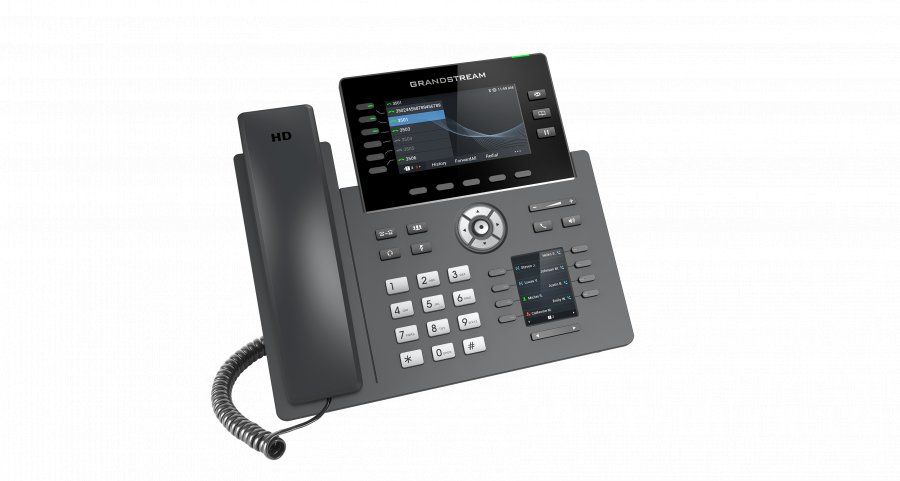
Modern telephony solutions have transformed the way businesses communicate, shifting from traditional landlines to sophisticated, cloud-managed platforms that are now central to daily operations. Cloud-based IP phones, like those offered by Grandstream, provide organizations with unmatched flexibility and control. These devices support high-quality voice calls and come equipped with advanced features such as call forwarding, auto-attendants, and detailed analytics, all designed to streamline workflows and boost productivity. Their ability to seamlessly integrate with other business applications creates a more connected and efficient communication environment.
Remote management capabilities further enhance these systems. With cloud management tools, organizations can oversee their entire telephony network from anywhere, eliminating the need for on-site hardware management. Whether deploying a handful of phones or thousands across multiple locations, businesses can configure, update, and troubleshoot devices centrally. This ease of management reduces operational costs and downtime, making it simple to scale as the organization grows. Such agility supports rapid deployment and adaptation to changing business needs.
The variety of telephony devices available today reflects the diverse requirements across different industries and organizational sizes. Small businesses often prioritize affordability and simplicity, opting for user-friendly IP phones that cover essential features. Larger enterprises, meanwhile, demand more robust solutions that integrate with customer management systems, support high call volumes, and include security features for sensitive data. Sector-specific needs, like healthcare compliance or financial regulations, also influence device choice and feature sets.
Security remains a top concern amid increasing reliance on cloud-based and interconnected systems. Modern devices incorporate encryption protocols and other security features to safeguard conversations and data. Vendors like Grandstream regularly update firmware and security practices to help organizations maintain compliance and protect sensitive information. This focus on security ensures that flexibility and innovation do not come at the expense of data integrity.
Device interoperability and multi-channel integration are reshaping business communication. Today’s telephony devices work alongside video conferencing, messaging, and collaboration tools, creating unified platforms that support seamless, multi-faceted interactions. This convergence enables teams to deliver consistent, personalized experiences across channels while improving internal coordination. As a result, organizations can respond more quickly and effectively to customer needs and operational challenges.
The future of telephony devices points toward even greater integration, security, and intelligence. Emerging technologies like AI and 5G will support smarter call routing, real-time analytics, and high-quality remote communication. These advancements will make telephony not just a communication utility but a strategic asset, helping organizations stay agile and competitive in an increasingly connected world. As this landscape evolves, choosing the right devices and management platforms—like Grandstream’s—will be key to building resilient, scalable, and secure communication systems.
Real-World Impact: How Customized Telephony Enhances Operational Efficiency and Customer Experience
Customized telephony solutions turn theory into tangible business benefits through real-world applications that boost efficiency and enhance customer experiences. For example, a retail chain implementing a tailored auto-attendant can swiftly direct customers to the right department, reducing wait times and staff workload, which speeds up service delivery. In healthcare settings, personalized call routing ensures sensitive patient calls reach the appropriate professionals quickly while maintaining strict confidentiality, streamlining operations and improving patient satisfaction.
Remote teams also gain significant advantages from these systems. Salespeople working from home or on the move can access a unified communication platform via cloud-managed IP phones, making remote interactions as seamless as in-office conversations. Features like call forwarding, voicemail-to-email, and personalized greetings keep remote workers responsive and connected, fostering a cohesive team regardless of physical location. This flexibility supports modern, fast-paced business environments where agility is key.
High-volume call centers benefit greatly from customized solutions that support specific workflows. Call flows can be designed to handle large queues efficiently, automatically routing callers based on input, which minimizes wait times and enhances overall satisfaction. Detailed analytics provide managers with insights into call patterns, helping optimize staffing and service quality. These tailored setups turn routine call management into strategic tools for operational improvement.
Deploying these systems is simplified with management platforms like Grandstream’s GDMS. This centralized interface allows organizations to remotely provision, configure, and monitor hundreds or thousands of devices across multiple sites. Quick updates, troubleshooting, and consistent configurations reduce downtime and make scaling operations straightforward. Such streamlined management ensures communication infrastructure keeps pace with business growth and evolving demands.
Training staff to leverage new features maximizes their impact. Clear documentation, practical sessions, and ongoing support help employees understand how to use auto-attendants, call queues, and personalized workflows effectively. When teams are confident, response times improve, and the customer experience becomes more fluid and professional. This practical approach to implementation demonstrates how tailored telephony is more than technology—it’s a driver of operational excellence.
In essence, customized telephony solutions are about making every interaction count. They turn generic communication tools into powerful assets that support specific business needs, improve efficiency, and foster better relationships with customers. By adopting these systems, organizations can unlock new levels of responsiveness and agility, turning their communication channels into strategic advantages.

Looking Ahead: Innovations, Trends, and the Future of Personalized Telephony
As we’ve seen, personalized telephony solutions have the power to transform how organizations communicate, making interactions more efficient, responsive, and tailored to specific needs. From cloud-managed IP phones to customizable auto-attendants, these systems streamline workflows, reduce response times, and significantly enhance customer experiences. Moving away from the limitations of traditional landlines, digital and cloud-based platforms have reshaped the way businesses operate and stay competitive in today’s fast-paced, digital-first world.
Looking ahead, the integration of emerging technologies like artificial intelligence and machine learning promises to elevate these solutions even further. AI can automate routine tasks such as call routing, freeing staff to focus on complex issues and strategic initiatives. Advanced analytics will offer deeper insights into communication patterns, helping organizations optimize workflows in real time. These innovations will turn telephony into a proactive, strategic component of business growth rather than just a utility.
Cloud platforms will continue to evolve, offering more sophisticated customization, security, and management features. As data privacy regulations tighten and cyber threats grow, vendors will prioritize encryption, compliance tools, and remote management capabilities. This ensures organizations can confidently adopt flexible systems without risking security breaches or regulatory issues, maintaining trust and integrity while operating at scale.
The future also promises greater device interoperability and seamless integration across digital channels. Telephony will increasingly work alongside video conferencing, messaging, and collaboration platforms, creating unified environments that support multi-channel communication. This convergence enables consistent, personalized experiences for customers and internal teams alike, fostering stronger relationships and more agile operations.
Technologies like 5G and edge computing will support faster, more reliable connections, especially for remote and mobile workers. High-quality voice and video communication will become a standard regardless of location, making remote work more natural and integrated into daily workflows. This flexibility allows organizations to expand their reach without the constraints of physical infrastructure, boosting agility and responsiveness.
Cost-effectiveness and scalability will remain central to the evolution of telephony systems. Smarter, more adaptive solutions will make it easier for organizations of all sizes to implement tailored systems that grow alongside their needs. Smaller businesses will access affordable, enterprise-grade features, while larger organizations will deploy complex, multi-site networks with centralized control, all without sacrificing security or performance.
Adopting these technological advancements now sets the foundation for future-proof organizations capable of rapid adaptation. By embracing smarter, more secure, and deeply integrated communication ecosystems, companies can respond swiftly to market changes, deliver exceptional customer service, and maintain a competitive edge in an increasingly connected world. Staying open to innovation and continuously refining communication strategies will be key to leveraging the full potential of personalized telephony solutions as they evolve.