Step into the quiet, captivating world of backyard mechanics, where garages transform from mere storage spaces into sanctuaries of craftsmanship, patience, and resilience. These personal workshops hold stories of old machines brought back to life through dedication and skill, revealing more than just mechanical repair—they embody a legacy rooted in tradition and personal expression. As modern technology makes restoration more accessible, it also introduces new challenges: maintaining authenticity, sourcing rare parts, and balancing innovation with tradition. The journey of restoring vintage vehicles is both technical and emotional, fostering community, perseverance, and pride. Why do these humble spaces resonate so deeply? Perhaps it’s because, in an era of instant gratification, they remind us that true artistry takes time, love, and patience. Behind every bolt turned is a story of resilience, passion, and legacy—an enduring testament to the timeless craft of the home mechanic.
The Sanctuary of the Backyard Mechanic: Where Passion and Craftsmanship Thrive
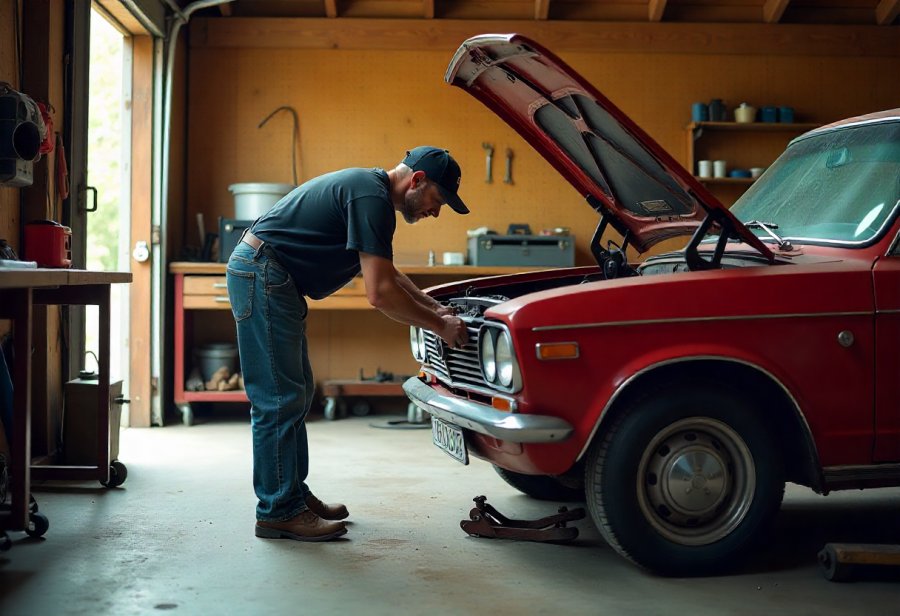
There’s something inherently captivating about the home garage—a space that quietly transforms from a simple storage area into a personal sanctuary of passion and craftsmanship. It’s where dreams take shape, old machines find new purpose, and a love for mechanics deepens with every passing project. For backyard mechanics, the garage isn’t just a workspace; it’s a retreat where patience and skill come together to create something meaningful.
This space often reflects the owner’s personality, filled with stories told through restored engines and polished chrome. The scent of oil and metal adds a nostalgic atmosphere, slowing down the pace of modern life. Here, time seems to pause, allowing focus to sharpen and creativity to flourish without distraction.
Beyond its practical purpose, the garage embodies a deeper sense of tradition—an ode to manual work and personal expression. Its cluttered shelves and organized chaos tell stories of resilience and dedication, making it a living testament to craftsmanship passed down through generations.
For many, this space becomes a place of emotional refuge, where frustrations turn into pride and setbacks into triumphs. Every bolt turned is a small act of love, every project a journey of perseverance. It’s more than just fixing cars; it’s about connecting with a craft that requires patience and devotion.
In these garages, stories unfold quietly—of old cars reborn, of skills honed, and of legacy preserved. They remind us that craftsmanship isn’t about speed, but about care, detail, and resilience. This timeless ritual keeps alive a tradition rooted in manual effort and personal pride.
As the world accelerates with instant gratification, the garage remains a steady anchor—an authentic space where patience and love for creation still matter. It’s a reminder that true artistry takes time, and that the most meaningful work often happens in quiet, unassuming places.
Ultimately, the garage isn’t just a workshop; it’s a symbol of resilience and personal expression. It’s where stories are written with grease-stained hands and where the spirit of craftsmanship endures. These spaces hold the quiet magic of tradition—an ongoing testament to the enduring joy of making something with your own hands.
Tracing the Roots: The Cultural Significance and Evolution of Backyard Restoration
The tradition of backyard mechanics and vintage car revival has deep roots that stretch back to the early days of the automobile. When cars first became affordable, enthusiasts took to their driveways and garages, turning simple spaces into workshops of innovation and pride. This DIY spirit was about more than just fixing vehicles; it was a way to preserve craftsmanship, individuality, and a personal connection to the machine. Before mass production standardized cars, each restored vehicle reflected its owner’s skill and vision.
Over time, these efforts grew into a cultural movement that celebrated patience, skill, and history. Many garages became informal museums, where knowledge and parts were passed down through families and friends. Sharing tips and stories became part of the ritual, fostering a sense of community rooted in a shared love for vintage machines. This heritage continues today, with online forums and social media amplifying the tradition and making it accessible to newcomers.
The hot-rodding craze of the 1950s and 60s transformed old cars into symbols of rebellion and creativity, adding a layer of cultural significance. Modern restorers blend nostalgic techniques with new technology, keeping the spirit alive while adapting to contemporary challenges. The cultural importance of backyard mechanics lies in their ability to connect us to our past, celebrating manual craftsmanship and personal expression that still resonate today.
Unveiling the Art: The Deep Ritual of Vintage Car Restoration
Restoring a vintage car is a delicate dance between technical skill and artistic intuition. It begins with a thorough assessment of the vehicle’s condition—spotting rusted panels, worn-out parts, and structural issues that need attention. Disassembly demands patience, as each piece carries a story and must be handled with care. Challenges often surface—corrosion requiring welding, missing or hard-to-find parts, and the balancing act of authenticity versus upgrades for safety and performance. Restorers spend hours stripping paint, cleaning, and repairing, transforming a battered shell into something shiny and new. Finding vintage parts or fabricating missing pieces calls for resourcefulness and a sharp eye, turning obstacles into opportunities. Every step deepens the connection to the machine’s history, making the process both rewarding and personal. This meticulous work isn’t just about fixing; it’s about breathing new life into an object with a rich past, blending craftsmanship with perseverance. The journey from rusted relic to restored masterpiece reflects patience, skill, and unwavering passion, turning mechanical history into a tangible work of art.
Stories in Steel: Real-Life Triumphs and Transformations in Restoration
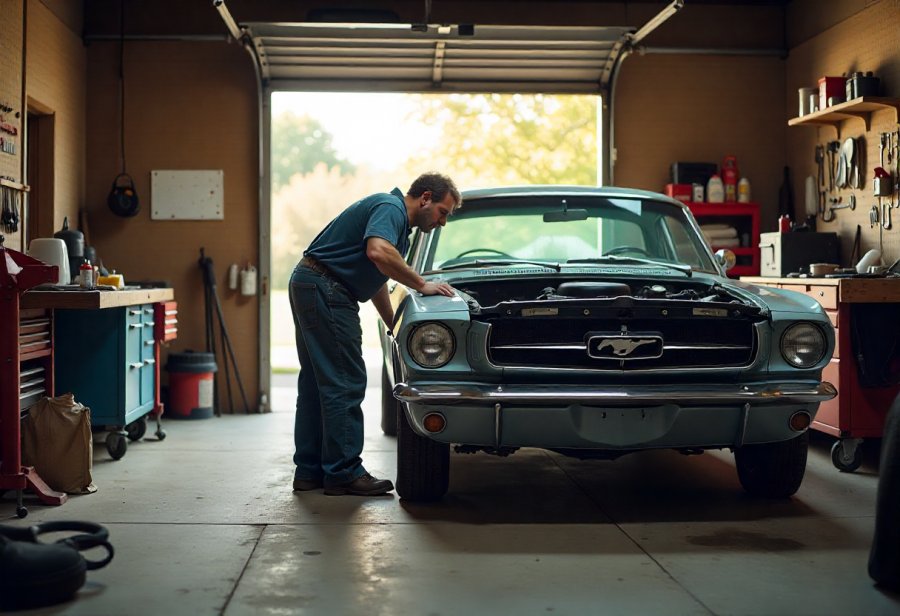
Supportive stories and vivid examples bring the world of backyard restoration to life. Take the case of a hobbyist who transformed a neglected 1965 Mustang from a rusted shell into a showstopper. His journey involved months of sourcing vintage parts through online communities, carefully rebuilding the engine, and meticulously restoring the body. Photos of the before-and-after reveal the dramatic transformation, turning decay into a stunning piece of history.
Personal stories like these highlight the dedication and patience involved. Many owners develop emotional bonds with their projects, often inheriting cars or hunting down rare parts over years. These narratives show that restoration isn’t just technical work—it’s a deeply personal journey of perseverance and love. Visual comparisons, especially side-by-side shots, emphasize the effort poured into each vehicle, inspiring others to see their projects differently.
Sharing these examples fosters a sense of community among backyard mechanics. Overcoming rust or tracking down elusive parts becomes part of a shared story of resilience and ingenuity. These real-world successes prove that with enough passion and persistence, even battered relics can be revived, enabling owners to craft their own stories of revival and pride.
Photographs serve as powerful proof of transformation, capturing the gritty reality of restoration. They reveal the painstaking work involved, from stripping paint to rebuilding engines, and underscore that patience is a vital ingredient. These images motivate newcomers to believe that their own projects can reach similarly impressive heights.
Personal anecdotes add emotional depth, illustrating that restoration is more than just a hobby—it’s a journey of dedication. Owners often speak of the satisfaction in hearing a restored engine roar back to life or seeing a car shine after months of effort. These stories underscore that every project is a labor of love, worth every setback faced along the way.
In the end, these stories and visuals celebrate the resilience at the heart of backyard mechanics. They remind us that behind every restored machine is a story of perseverance, skill, and passion—proof that even in the age of mass production, craftsmanship and personal effort still hold unmatched value.
Turning Passion into Practice: Practical Insights for Real-World Projects
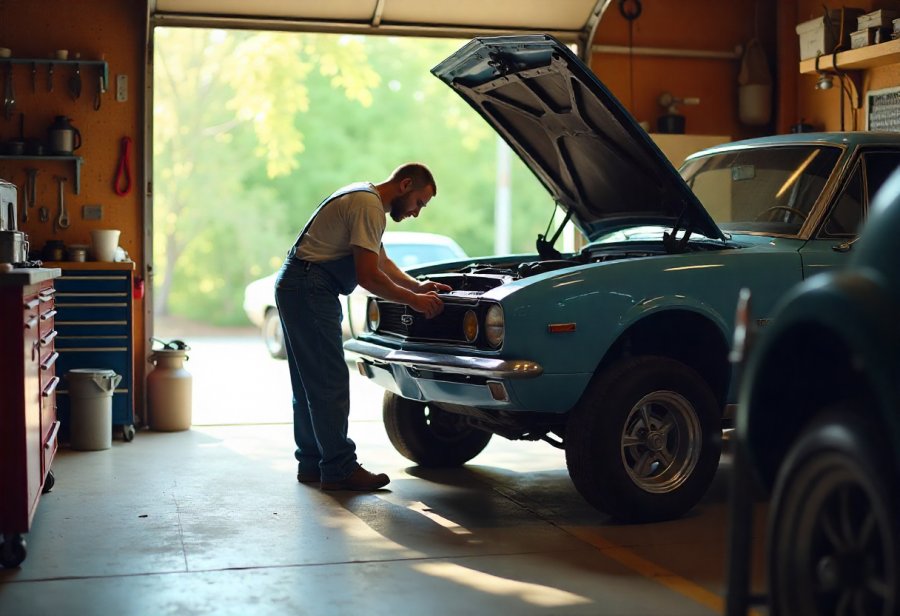
Bringing passion and techniques into real-world restoration projects starts with a clear plan and a willingness to learn. Most backyard mechanics begin by setting achievable goals, whether it’s fixing a specific issue or restoring an entire vehicle. Breaking the process into manageable steps—disassembly, cleaning, repairing, and reassembling—keeps progress steady and makes the task feel less daunting. Sourcing the right tools and parts often involves digging through online forums, tutorials, and community groups, turning obstacles into opportunities to develop new skills.
Flexibility is key. Rusted panels might require welding, and missing parts often mean fabricating or hunting down rare vintage components. Improvisation with available materials can save time and money but demands resourcefulness and a hands-on approach. Learning skills like welding or sandblasting not only advances the project but also boosts confidence and pride in the work. Documenting each step with photos or notes helps track progress and maintain motivation during setbacks.
Patience is essential, especially when facing unexpected challenges like unavailable parts or rust damage. These hurdles test resolve but also deepen the connection to the project. Sharing progress with online communities or local clubs provides encouragement and fresh ideas, reinforcing that perseverance makes the difference. Turning passion into tangible results relies on enjoying the process, embracing setbacks, and celebrating small victories along the way.
Tools form the backbone of successful restoration. Essential equipment like wrenches, socket sets, and jacks are standard, while power tools such as drills and grinders speed up tasks and improve precision. Many restorers rely on online tutorials and forums for tailored guidance, transforming learning into a collaborative experience. Keeping a well-organized garage with labeled parts and a clear timeline helps manage complex tasks and keeps projects moving forward.
Starting a restoration project involves setting realistic goals and maintaining flexibility. Research common issues and gather parts in advance to avoid delays. Breaking work into stages, labeling components, and organizing tools prevent frustration and help stay motivated. As progress unfolds, adjusting plans to unforeseen challenges ensures the project remains achievable. With patience, persistence, and a passion for craftsmanship, a garage full of parts can become a beautifully restored machine that tells its own story of revival.
Secrets and Stories: The Enduring Spirit of Garage Craftsmanship
There’s a quiet magic in the timeless craft of garage restoration. These spaces, tucked behind houses and fences, become more than just workshops—they’re sanctuaries of patience, passion, and resilience. Each project, whether a vintage car or motorcycle, carries a story that speaks to the dedication of its owner. When you step into these garages, you’re entering a world where time slows down, and love for craftsmanship takes center stage.
Despite the fast pace of modern life and the rise of mass-produced vehicles, the allure of breathing new life into old machines remains strong. It’s rooted in the joy of creating with your own hands and the satisfaction of preserving a piece of history. These garages stand as quiet reminders that true craftsmanship isn’t about speed or perfection but about care, detail, and perseverance.
Every bolt turned and rusted panel restored echoes a commitment to tradition. The stories embedded in these machines—of setbacks faced and triumphs achieved—embody a spirit that refuses to fade. This resilience keeps the legacy of backyard mechanics alive and inspires new generations to pick up the wrench and craft their own stories.
What makes this craft timeless is its deep connection to roots and values. Patience, skill, and love turn the ordinary into something extraordinary. In a world obsessed with instant results, these garages whisper that real artistry takes time—an enduring truth that keeps the magic alive.
The beauty of garage craftsmanship lies in its simplicity and authenticity. It’s about more than fixing or restoring; it’s about honoring manual skill and personal effort. Every project becomes a personal odyssey—an opportunity to learn, grow, and leave a mark that’s uniquely your own.
As long as passionate individuals turn wrenches and tinker away, this tradition will continue. Built on resilience, patience, and love for machines, these spaces symbolize more than craftsmanship—they embody a spirit of perseverance. They remind us that true craftsmanship is timeless, rooted in the joy of creation and the stories we tell through our work.
Lessons in Dedication: The Core Values of Restoration and Craftsmanship
The core lessons from the world of backyard restoration boil down to a few timeless truths: craftsmanship, patience, and storytelling. Restoring a vintage vehicle isn’t just about making it look good; it’s about respecting its history and the skill that went into its original build. Each bolt turned and every weld laid is a small act of dedication that speaks to the value of quality work done with care.
Patience stands out as perhaps the most vital trait. Rushing through a project often leads to mistakes or overlooked details, while taking the time to do things right results in a more authentic, durable finish. Overcoming setbacks like sourcing rare parts or battling rust deepens the builder’s connection to the machine, transforming frustration into pride.
Every restored vehicle carries a story—effort, setbacks, triumphs—that links the builder to past generations. These stories turn technical work into emotional journeys, making each project more than just a mechanical task. They remind us that craftsmanship is about love, dedication, and the willingness to see the project through.
The lessons extend beyond cars, emphasizing a mindset rooted in perseverance and pride in small details. Whether fitting a part perfectly or achieving a smooth engine start, each step builds confidence and reinforces the joy of creating something meaningful with your own hands.
At its heart, restoring vintage machines is about more than the finished product. It’s a process of learning, patience, and personal expression that leaves a lasting mark. Every project becomes a personal legacy—proof that resilience and passion turn neglected relics into treasured works of art.
Embracing Innovation: Future Trends and Challenges in DIY Restoration
In recent years, digital tools have revolutionized the backyard restoration scene, making it more accessible and collaborative than ever before. Online tutorials, forums, and social media groups provide a wealth of advice and support, encouraging newcomers to dive into vintage projects with confidence. This technological boost lowers barriers, allowing more enthusiasts to experiment and learn from each other’s successes and setbacks.
However, this reliance on digital guidance also brings new challenges. Over-dependence on virtual tutorials can lead to a decline in hands-on skills like welding or bodywork, which are essential for authentic restoration. There’s a risk that some might prioritize quick fixes or shortcuts influenced by online parts sources, compromising quality and craftsmanship.
Environmental concerns are also growing. Sourcing vintage parts can sometimes conflict with sustainability goals, prompting restorers to seek eco-friendly alternatives or repurpose materials. As vintage models become rarer and regulations tighten, sourcing authentic parts grows more difficult and costly, adding pressure on DIYers to adapt creatively.
Meanwhile, younger generations are injecting fresh energy into the scene, blending old techniques with modern innovations. This enthusiasm revitalizes the craft, but it also raises questions about balancing authenticity with innovation. Finding that harmony will be key to ensuring the craft’s longevity.
Despite these hurdles, the backyard restoration community remains resilient. Networks of swap meets, clubs, and online platforms foster collaboration and resource sharing, helping enthusiasts navigate obstacles. Their ability to adapt and embrace new tools while honoring tradition ensures this timeless craft will continue to thrive.
Looking ahead, integrating new technologies without losing the essence of manual craftsmanship will be crucial. Smarter, interconnected digital tools can serve as catalysts for more inclusive and innovative projects, provided they complement hands-on skills rather than replace them.
The ongoing evolution of DIY restoration hinges on this balance. Communities that value patience, resilience, and personal expression will preserve the craft’s soul, even as tools and techniques change. The future of backyard mechanics depends on their capacity to innovate responsibly while staying true to the core values that have defined the tradition for generations.
Inspiring Journeys: Reflection and Engagement in the World of Garage Projects
Many people feel a spark of curiosity about starting their own restoration projects, even if they’ve never worked on cars before. The idea of bringing an old machine back to life can be both inspiring and deeply rewarding—it’s a hands-on way to connect with craftsmanship and history. Beginning with a project that excites you, whether a vintage motorcycle or a classic car, helps turn curiosity into action.
Watching experienced restorers share their journeys can boost your confidence and show that setbacks are part of the process. Small efforts like cleaning parts or watching tutorials build skills and motivation. Restoring something with your own hands creates a sense of achievement that’s hard to find elsewhere. It turns a vague idea into a tangible project you can be proud of.
Getting started doesn’t have to be intimidating. Break the process into manageable steps, set simple goals, and be patient with your progress. Joining online communities or local clubs connects you with others who share your passion, making the journey less lonely and more inspiring. Every small step adds up, transforming your garage into a space of growth and discovery.
Remember, every expert was once a beginner. Embracing the learning process, embracing mistakes, and celebrating progress keeps the experience enjoyable. The act of restoring isn’t just about fixing machines—it’s about creating stories, developing new skills, and leaving a personal mark.
If you’re feeling the pull to try, now is the perfect time. The garage is a safe space to experiment, learn, and grow. With curiosity and perseverance, you’ll find yourself building more than a machine—you’ll craft a story of patience, passion, and perseverance that lasts a lifetime.
The Legacy of Love and Patience: Final Thoughts on the Timeless Art of Restoration
There’s a quiet magic in the timeless craft of garage restoration. These spaces, tucked behind houses and fences, become more than just workshops—they’re sanctuaries of patience, passion, and resilience. Each project, whether a vintage car or motorcycle, carries a story that speaks to the dedication of its owner. When you step into these garages, you’re entering a world where time slows down, and love for craftsmanship takes center stage.
Despite the speed of modern life and the rise of mass-produced vehicles, the appeal of breathing new life into old machines remains strong. It’s about more than fixing cars; it’s about the joy of creation, the connection to history, and the pride in manual effort. These garages silently remind us that craftsmanship isn’t a race—it’s an art rooted in patience, detail, and love.
Every bolt turned and rusted panel restored echoes a commitment to tradition. The stories locked within these machines—of setbacks faced and triumphs achieved—embody a spirit that refuses to fade. This resilience preserves the legacy of backyard mechanics, inspiring new generations to pick up the wrench.
What keeps this craft timeless is its deep connection to roots and values. Patience and skill transform the ordinary into the extraordinary, showing that greatness often takes time. In a world obsessed with instant results, these garages whisper that true artistry is a journey, not a rush.
The beauty of garage craftsmanship lies in its authenticity. It’s about honoring manual skills and personal effort, turning each project into a personal odyssey. These spaces are canvases of perseverance, where love and resilience turn neglected relics into treasured works of art.
As long as passionate individuals continue to turn wrenches and tinker away, this tradition will endure. Built on resilience, patience, and genuine love for machines, these garages symbolize a spirit that’s universal and timeless. They remind us that craftsmanship is more than technique—it’s a reflection of character and dedication.
Keeping this legacy alive depends on embracing change without losing sight of its roots. New tools and innovations can enhance the craft, but the core values remain unchanged. Balancing tradition with progress ensures that the spirit of restoration continues to inspire.
In the end, the craft of garage restoration is a testament to human patience and passion. It’s a quiet, enduring reminder that true artistry takes time, effort, and care. These spaces will always be sanctuaries of resilience, where stories are written by hands committed to preserving the beauty of the old and the joy of creation.