Can Toronto yards truly become stunning outdoor retreats that seamlessly blend beauty, sustainability, and personal satisfaction? Transforming outdoor spaces isn’t just about visual appeal—it’s about creating environments that support local ecosystems, endure seasonal extremes, and reflect homeowners’ unique tastes. Innovative features like smart irrigation, native plants, and eco-friendly materials demonstrate that sustainability need not compromise aesthetic charm. But how does one balance these elements while ensuring long-term resilience and minimal maintenance? This journey involves thoughtful design principles, meticulous execution, and ongoing stewardship, turning well-planned landscapes into personal sanctuaries. As urban spaces grow more crowded and environmental concerns heighten, the challenge lies in cultivating outdoor environments that foster ecological harmony while elevating property value. The promise is a beautiful, resilient, and environmentally responsible yard—raising the question: can responsible landscaping truly satisfy every client’s dream of a perfect outdoor escape?
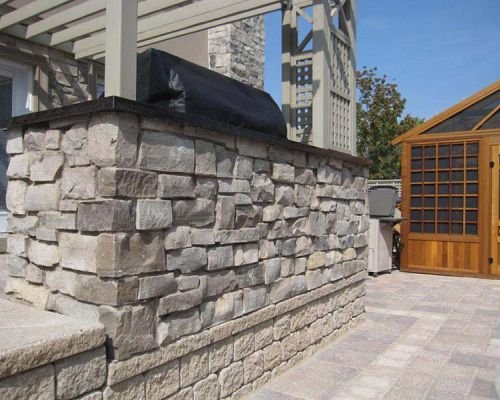
Transforming Toronto Yards into Personal Retreats with Eco-Conscious Design
Transforming outdoor spaces in Toronto isn’t just about making yards look good—it’s about creating personal retreats that balance beauty with responsibility. As the city becomes more crowded and environmental concerns grow, homeowners are seeking ways to enjoy their gardens while minimizing their ecological footprint. This shift reflects a broader awareness that landscape design can be both stunning and sustainable, supporting local ecosystems and conserving resources at the same time.
The challenge is designing yards that serve as peaceful escapes from city noise, yet are resilient enough to handle Toronto’s four distinct seasons. From icy winters to hot, humid summers, every element must be carefully chosen to endure the weather while maintaining visual appeal. Native plants, eco-friendly materials, and water-saving features all play a role in keeping gardens lush without overtaxing local resources. Thoughtful choices turn outdoor spaces into models of ecological responsibility and long-term beauty.
Achieving this balance requires more than just good design; it demands a clear understanding of what homeowners truly want. Whether it’s a cozy firepit nook, a low-maintenance garden, or a versatile entertainment area, each feature should reflect personal style while aligning with environmental goals. The key is harmonizing aesthetics with practicality so that every element enhances the overall harmony of the yard—visually and ecologically.
In Toronto’s context, yard transformation is especially significant because space is limited and seasonal challenges are intense. Every square foot counts, making smart, eco-conscious design essential. Native plants and sustainable practices not only maximize utility and beauty but also support local wildlife and reduce ongoing maintenance. These efforts boost property value and contribute to a greener, healthier cityscape.
Creating stunning, sustainable outdoor retreats in Toronto ultimately hinges on integrating ecological mindfulness with personalized design. When landscape choices prioritize native plants, eco-friendly materials, and durable features, they foster spaces that remain inviting and resilient year-round. This approach ensures yards stay beautiful, support ecological health, and deepen residents’ connection to their environment—a meaningful step toward a more sustainable urban lifestyle.
Core Principles: Building Beautiful, Sustainable Landscapes
Sustainable landscape design is rooted in principles that prioritize both beauty and environmental responsibility. Native plants form the cornerstone of this approach; they are naturally adapted to Toronto’s climate, requiring less water, fertilizers, and chemicals. This resilience makes gardens easier to maintain while supporting local wildlife, such as pollinators and beneficial insects, which in turn strengthens the surrounding ecosystem.
Choosing eco-friendly materials is equally crucial. Recycled aggregates, permeable pavers, and reclaimed wood reduce environmental impact and add visual interest. Permeable surfaces, in particular, allow rainwater to seep into the ground, decreasing runoff and easing strain on city drainage during heavy storms. These materials blend practicality with aesthetics, creating landscapes that are both beautiful and environmentally sound.
Water conservation strategies play a vital role. Rain gardens, drip irrigation, and smart watering systems help manage resources efficiently. Rain gardens filter pollutants and absorb stormwater, reducing erosion and flooding risks. Drip irrigation directs water precisely to plant roots, minimizing waste. Together, these techniques keep gardens lush during Toronto’s hot summer months without overusing water, aligning beauty with sustainability.
Design resilience is essential given Toronto’s seasonal extremes. Selecting hardy plants and durable materials ensures landscapes withstand cold winters and humid summers while maintaining their visual appeal. Proper zoning—such as shielding delicate beds from high-traffic areas—prevents damage and prolongs the life of the landscape. This careful planning results in outdoor spaces that remain inviting and functional year-round.
Thoughtful layout and zoning unify different landscape elements. Incorporating native shrubs, water features, and natural pathways creates focal points and visual anchors. Energy-efficient lighting highlights key areas without waste, guiding movement and setting the mood. These details enhance usability and aesthetic cohesion, making the yard feel natural and harmonious.
By integrating these core principles—native plants, eco-friendly materials, water efficiency, and resilience—designers craft outdoor retreats that thrive over time. These landscapes support local ecosystems, require less ongoing maintenance, and adapt seamlessly to Toronto’s changing seasons. The result is a sustainable, stunning outdoor space that elevates property value and fosters a deeper connection to the environment.
Focusing on these foundational ideas ensures every project balances ecological health with aesthetic appeal. When landscape design aligns with these principles, outdoor spaces become vibrant, resilient, and truly reflective of responsible stewardship. This approach not only benefits the environment but also creates a sense of pride and satisfaction for homeowners, knowing their yard contributes to a healthier cityscape.
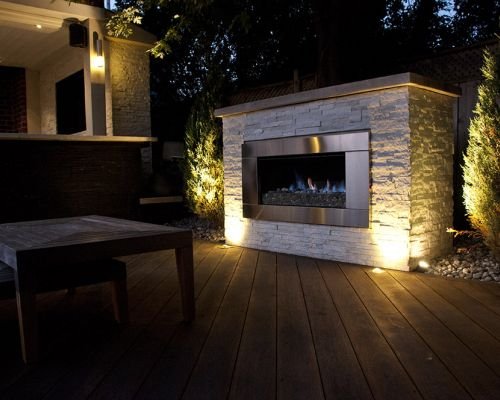
Cutting-Edge Features Merging Aesthetics with Environmental Responsibility
Innovative features are transforming outdoor retreats into spaces that are both visually striking and environmentally responsible. Smart irrigation systems, for example, have become game changers in sustainable landscape design. Controlled via apps, these systems adjust watering schedules based on real-time weather data and soil moisture levels, conserving water while keeping plants healthy. Solar-powered lighting adds warmth and ambiance after sunset, reducing energy consumption and creating inviting outdoor environments without increasing utility bills.
Water features like rain gardens, recirculating ponds, and native plant borders not only enhance visual appeal but also support local ecosystems. Rain gardens, in particular, help manage stormwater runoff by filtering pollutants before they reach city drains, reducing erosion and flooding risks. Incorporating sustainable materials—such as recycled stone, reclaimed wood, or composite decking—further elevates these features, proving that eco-conscious design can be both beautiful and durable.
Durability remains a cornerstone of innovative outdoor design, especially given Toronto’s seasonal extremes. Choosing eco-friendly, resilient materials like permeable pavers and recycled aggregates ensures landscapes withstand cold winters and humid summers without losing their charm. These materials are built to last, reducing the need for repairs and replacements over time, which aligns with long-term sustainability goals. Their natural textures and visual interest add depth to the landscape, seamlessly blending practicality with aesthetics.
Designing with functionality in mind involves natural zoning techniques. Creating separate zones for lounging, dining, or play using eco-friendly partitions and natural screening helps organize the space and prevent damage. Low-voltage, energy-efficient lighting highlights key features and guides movement, adding to the ambiance without waste. Native plants often serve as focal points or borders, providing visual interest while supporting biodiversity and local wildlife.
Blending technology with nature, these innovations demonstrate that beauty and sustainability are not mutually exclusive. Features like native plant installations, rainwater harvesting, and eco-friendly lighting elevate outdoor retreats, making them more enjoyable and environmentally responsible. When thoughtfully integrated, these elements show that eco-friendly upgrades can be both practical and eye-catching, inspiring homeowners to adopt smarter, greener design choices.
From Concept to Reality: Applying Design Principles in Toronto Gardens
Applying landscape design principles in Toronto involves turning well-thought-out plans into tangible, functional outdoor spaces that homeowners can truly enjoy. The process begins with selecting native plants suited to Toronto’s climate. These resilient species thrive with less water and fewer chemicals, making gardens easier to maintain while supporting local pollinators and beneficial insects. Carefully combining native flora with sustainable materials creates a lush, low-maintenance landscape that enhances both beauty and ecological health.
Integrating eco-friendly materials is key to a successful project. Recycled aggregates, permeable pavers, and reclaimed wood not only reduce environmental impact but also add visual texture and interest. Permeable surfaces are especially valuable—they allow rainwater to seep into the ground naturally, decreasing runoff and easing pressure on city drainage systems during storms. These choices blend practicality with aesthetic appeal, resulting in landscapes that are both beautiful and environmentally responsible.
Designing for Toronto’s seasonal extremes requires selecting hardy plants and durable materials that can withstand cold winters and humid summers. Proper zoning helps protect delicate beds from high-traffic zones, extending their lifespan and maintaining visual appeal over time. Well-placed pathways, lighting, and focal points like native shrubs or water features create a natural flow throughout the yard, making it inviting and easy to navigate. These elements work together to craft outdoor retreats that are resilient, functional, and visually cohesive.
Execution is where ideas become reality. Clear communication with clients throughout each phase ensures the design aligns with their vision and lifestyle. From initial consultation to installation, attention to detail guarantees that every element—be it plant selection, material choice, or layout—meets the established plan. When the finished landscape reflects the original concept, it provides a seamless, satisfying transformation that balances beauty, practicality, and sustainability.
Transforming Toronto yards into stunning outdoor retreats hinges on thoughtful application of these principles. A well-designed space not only elevates property value but also fosters a stronger connection to the environment. By combining native plants, eco-friendly materials, and resilient features with meticulous execution, landscape professionals create outdoor areas that are both captivating and sustainable. This approach results in yards that stand the test of time, providing enjoyment and ecological benefits for years to come.
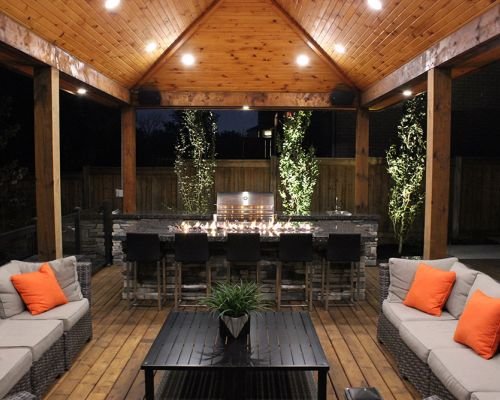
Harmonizing Beauty, Sustainability, and Satisfaction for Lasting Outdoor Spaces
Bringing together beauty, sustainability, and client satisfaction creates outdoor spaces that truly stand out. When these elements align, yards become more than just visually appealing—they support local ecosystems and meet homeowners’ needs. Choosing native plants, eco-friendly materials, and durable features ensures landscapes remain vibrant and functional over time. These decisions not only enhance aesthetic appeal but also promote environmental health, making the yard a lasting asset that residents can enjoy year-round.
Seamless communication and careful execution play vital roles in turning good design into a satisfying experience. Involving clients throughout the process builds confidence and ensures their personal style and preferences are reflected without compromising sustainability goals. When everyone is aligned, the project flows smoothly, resulting in a cohesive space that feels tailored and meaningful. This collaborative approach transforms a well-planned yard into a personal sanctuary, enriching the homeowner’s connection to their outdoor environment.
Designing outdoor spaces that balance aesthetics with ecological responsibility is an ongoing journey. It requires making smart choices—such as selecting hardy native plants and eco-conscious materials—that support the landscape’s long-term health. These thoughtful decisions help create yards resilient enough to withstand Toronto’s seasonal extremes, from cold winters to hot, humid summers, without losing their appeal. The result is a robust, inviting retreat that remains vibrant and functional throughout the year.
Innovative features like smart irrigation, native plant focal points, and eco-friendly lighting elevate outdoor retreats beyond basic landscaping. They demonstrate that style and sustainability can complement each other seamlessly. When these elements are integrated thoughtfully, they not only enhance visual appeal but also reinforce a homeowner’s commitment to environmental responsibility. This blend of beauty and purpose turns outdoor spaces into true extensions of the home—places to relax, entertain, and connect with nature.
Maintaining these landscapes over time involves consistent care—pruning, mulching, seasonal inspections, and eco-friendly practices. Regular attention ensures the yard continues to thrive, supporting biodiversity and reducing resource use. By prioritizing native plants and sustainable maintenance routines, homeowners can enjoy a lush, low-maintenance outdoor retreat that adapts effortlessly to changing seasons and lifestyles. This ongoing stewardship sustains the yard’s beauty and ecological benefits, making it a true reflection of thoughtful design.
Finally, creating outdoor retreats that harmonize beauty, sustainability, and satisfaction is about more than initial installation. It’s a shared commitment to ongoing care, innovation, and ecological mindfulness. When every decision is rooted in these principles, yards become sustainable havens—vibrant, resilient, and personally meaningful. They embody a vision of responsible landscaping that benefits both the environment and the people who cherish these outdoor spaces, paving the way for a greener, more beautiful Toronto.