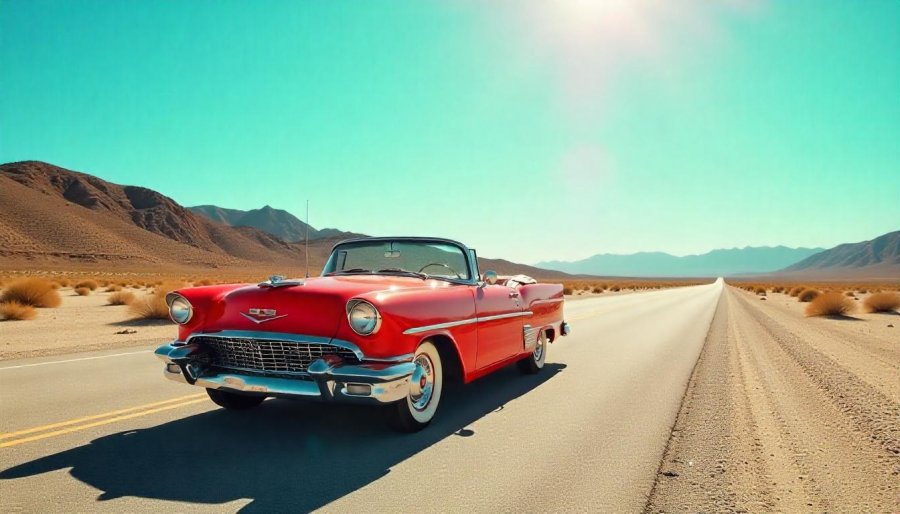
The 1970s Chevrolet SS embodies the raw power and bold style that defined the golden age of American muscle cars. With thunderous big-block V8 engines, aggressive cowl-induction hoods, and vibrant paint schemes like Hugger Orange, these vehicles stood as symbols of rebellion, speed, and innovation. Their muscular stance and performance enhancements made them street legends, inspiring both nostalgia and admiration among enthusiasts. Beyond mere transportation, owning and restoring a Chevelle SS or Camaro connects drivers to a culture rooted in freedom and craftsmanship—stories of open-road cruising, fierce rivalry, and personal achievement. Despite shifting regulations, the legacy of these cars endures, fueled by passionate restorers, new generations of enthusiasts, and car culture communities that celebrate their iconic design and performance. The roar of a well-tuned Chevrolet SS remains a powerful reminder of a time when horsepower ruled and American ingenuity took center stage—an everlasting symbol of muscle car history that continues to inspire today.
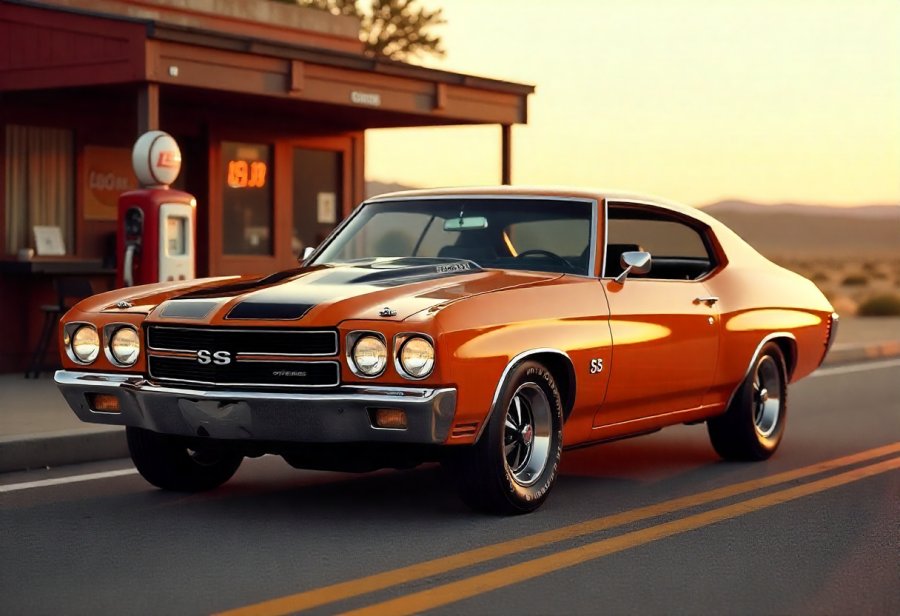
Unleashing the Legend: The 1970s Chevrolet SS
The 1970s Chevrolet SS stands as a true icon of the muscle car era, capturing the rebellious spirit and bold style that defined American automotive culture at the time. These cars weren’t just means of transportation—they were rolling statements of power, attitude, and freedom. With their aggressive lines, muscular stance, and roaring engines, they embodied a period when speed and style reigned supreme on the streets. The Chevrolet SS, especially models like the Chevelle SS 454, became symbols of American ingenuity and performance, celebrated for pushing the limits of horsepower and design.
This era was marked by fierce competition among automakers, each vying to outdo the other with bigger engines and flashier looks. The Chevrolet SS stood out with its commanding presence—wide stance, distinctive cowl-induction hoods, and vibrant paint options like Hugger Orange. These elements weren’t just aesthetic choices; they signaled a vehicle built for raw power and maximum impact. Every detail was crafted to turn heads and inspire awe, making the SS a true staple of 1970s muscle car culture.
Beyond its striking appearance, the Chevrolet SS’s performance was legendary. Under the hood, a massive 454-cubic inch V8 engine delivered over 450 horsepower, producing a thunderous growl that became an unmistakable hallmark. The sound alone conveyed dominance, while the powertrain’s engineering allowed for blistering acceleration and impressive top speeds. These cars weren’t just about looking fast—they were designed to deliver an exhilarating driving experience that left a lasting impression.
The appeal of the Chevrolet SS extends beyond raw numbers. It’s about the nostalgia, the stories of cruising down open highways with the wind in your hair, and feeling that surge of torque beneath you. For enthusiasts, owning a vintage SS is more than a hobby—it’s a connection to a golden age of American muscle, a time when cars represented rebellion and the pursuit of performance. Restoration projects and car meets keep that spirit alive, drawing new generations into the legacy of these iconic machines.
Today, the Chevrolet SS remains a symbol of American muscle at its finest. Its bold design, thunderous roar, and cultural significance continue to inspire enthusiasts and collectors worldwide. Whether admired at classic car shows or driven on open roads, these vehicles serve as a reminder of a time when horsepower and attitude defined a generation. The legacy of the 1970s Chevrolet SS endures, roaring loud and proud into the future.
Muscle Car Evolution: From Bold Beginnings to Fierce Competition
The evolution of muscle cars didn’t happen overnight; it was a gradual process driven by a desire for more power, aggressive styling, and innovation. In the early 1960s, automakers began experimenting with combining sporty aesthetics and big engines, aiming to create vehicles that delivered excitement without a hefty price tag. The Pontiac GTO is often credited as the first true muscle car, introducing a large V8 in an accessible package and proving that speed could be for more than just racing—breaking the mold of traditional sports cars and setting the stage for a new era.
As the mid-1960s rolled in, manufacturers intensified their focus on raw performance. Cars like the Plymouth Barracuda and Dodge Dart emerged, sporting aggressive looks and high-displacement engines that commanded attention. Dual exhausts, racing stripes, and bold colors became common, transforming these vehicles into mobile expressions of rebellion and freedom. They weren’t just transportation—they were symbols of youth culture and attitude, designed to turn heads and roar down streets and race tracks alike.
By the late ’60s, muscle cars had reached a peak, with models like the Chevrolet Chevelle SS 454 and Pontiac Firebird Trans Am showcasing the best of American engineering. Engines grew larger, often exceeding 400 cubic inches, and their visual appeal became just as important as their performance. Wide stances, intimidating grilles, and racing-inspired details made these cars impossible to ignore. They embodied a spirit of competition, pushing boundaries both on the street and on the track.
The fierce rivalry among automakers fueled continuous innovation. Manufacturers introduced features like cowl-induction hoods and Ram Air systems, squeezing even more horsepower from their engines. This relentless push for performance resulted in some of the most iconic vehicles ever built—each one a testament to American ingenuity and a desire to outperform the others. However, external factors like rising insurance costs and tighter regulations gradually slowed the muscle car boom in the early 1970s.
Despite these challenges, the legacy of the muscle car era persisted. The 1970s Chevrolet SS stands as a pinnacle of this development, with its massive 454-cubic inch engine and bold styling pushing the limits of what was possible. Even as the automotive landscape shifted toward more practical concerns, the spirit of rebellion and raw power remained alive in these machines.
The evolution of muscle cars reflects a story of innovation, competition, and cultural rebellion. Each generation built on the last, constantly pushing the envelope to create faster, more stylish vehicles. These cars weren’t just about transportation—they were about making a statement and capturing the imagination of a generation hungry for excitement. Their development laid the groundwork for future performance cars and kept the flame of American muscle burning bright.
Design and Power: The Iconic Looks and Thunderous Performance of the Chevrolet SS
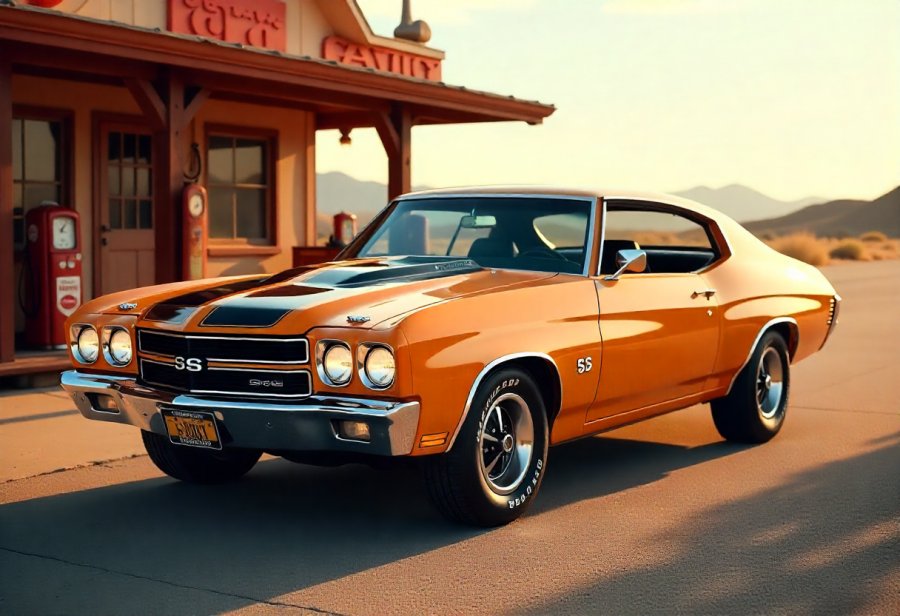
The styling of the 1970s Chevrolet SS models is a bold statement of muscle car attitude. One of their most striking features is the cowl-induction hood, which not only gives the car an aggressive look but also improves airflow to the engine. This functional design element enhances performance while emphasizing the vehicle’s muscular stance. Racing stripes often stretched along the length of the car, adding a racing-inspired flair that highlights speed and agility. Chrome accents, from bumpers to trim pieces, contrasted sharply with vibrant paint jobs, accentuating the bold, muscular lines and commanding presence of these cars. These visual cues communicated power and attitude to everyone who saw them.
Beneath the eye-catching exterior, the heart of these muscle cars was their powertrain. The big-block V8 engines, especially the legendary 454 cubic inch, delivered thunderous power that became a hallmark of the era. Producing over 450 horsepower, these engines were designed for maximum torque and rapid acceleration, making the cars formidable on the street. The deep, resonant growl of these engines became instantly recognizable, echoing the raw power that defined muscle car culture. High-performance features like dual exhaust systems and performance carburetors further boosted engine output, ensuring these vehicles could unleash their full potential at a moment’s notice.
The design and performance of the Chevrolet SS were crafted to create a visual and mechanical harmony. Wide stances and period-correct rally wheels provided stability and a commanding road presence. Bright colors like Hugger Orange and vivid reds complemented the aggressive styling, ensuring the cars turned heads wherever they appeared. Every detail, from the stance to the paint, was aimed at producing an intimidating yet attractive package that appealed to enthusiasts craving speed and style. This fusion of aesthetic boldness and mechanical strength made the Chevrolet SS a true icon of the muscle car golden age.
Performance-wise, these vehicles were built to impress. Their massive engines, paired with reinforced suspensions and performance-tuned chassis, allowed for blistering acceleration and high top speeds. The thunderous roar of the engines was more than just noise—it was a declaration of raw power, a sonic signature that announced dominance. Dual exhausts not only amplified this roar but also improved performance by reducing backpressure. Every engineering detail was focused on maximizing impact, making these cars more than transportation—they were rolling expressions of American muscle and ingenuity.
Every element of the Chevrolet SS’s design and performance was carefully curated to embody the spirit of the muscle car era. The muscular lines, functional styling cues, and thunderous engine notes all worked together to create a vehicle that was as much a statement as it was a machine. These cars weren’t simply built to go fast—they were built to make a bold impression. Today, they remain a testament to American engineering’s boldness, inspiring admiration and awe at every turn.
Living the Dream: Passion, Nostalgia, and the Culture of Classic Muscle Cars
For many muscle car enthusiasts, owning a Chevrolet SS from the 1970s is about more than just possessing a vintage vehicle—it’s a tangible connection to an iconic era of American automotive history. These cars symbolize freedom, rebellion, and the thrill of the open road, stirring a sense of nostalgia that’s hard to match. Restoring or maintaining a classic Chevelle SS 454 becomes a labor of love, a journey that bridges past and present as owners source original parts, fine-tune engines, and bring these legends back to life.
Stories of cruising down highways with a thunderous V8 beneath the hood are common among fans. They describe the raw power surging through the chassis, the roar of that legendary engine echoing freedom and excitement. For many, it’s not just about speed—it’s about reliving a moment, feeling the surge of torque and the wind in their hair, as if time stands still for a few precious minutes. These cars evoke memories of youthful rebellion, weekend adventures, and the pure joy of driving something built for performance.
Car shows and muscle car meets serve as gathering points for passionate owners eager to share their stories. Here, restoration projects, racing exploits, and cruising adventures are celebrated with pride. Seeing a lineup of gleaming Chevelles, Camaros, and Firebirds fosters a sense of community rooted in admiration for American engineering and style. These gatherings keep the spirit alive, inspiring newcomers and veterans alike to keep the legacy roaring forward.
For many owners, their muscle cars are family heirlooms, passing from generation to generation. Restoring a Chevelle SS often involves a treasure hunt for authentic parts and a deep dive into the vehicle’s history. Each project adds a chapter to the car’s story, transforming it from rusted shell to show-stopping classic. These vehicles become more than just cars—they’re symbols of personal achievement, pride, and a shared cultural heritage.
Interest in these vintage icons has surged among younger enthusiasts, fueling a revival of restoration and customization. Modern builders blend classic styling cues with innovative upgrades—fuel injection, modern suspensions, electronic aids—creating vehicles that honor the past while offering improved reliability and performance. Supporting original parts and sharing restoration stories help preserve the culture, ensuring the roaring spirit of the muscle car endures.
Being part of the muscle car community deepens the connection. Attending local shows, joining online forums, and swapping tips keep the passion alive. Supporting authentic restorations and passing down knowledge ensures that the legacy remains vibrant and relevant. Whether owning one or simply admiring from afar, engaging with this culture keeps the dream alive and the roar loud.
In the end, the Chevrolet SS of the 1970s isn’t just a relic of a bygone era—it’s a living legend. Its raw power, bold style, and cultural significance continue to inspire new generations of enthusiasts. These cars embody a spirit of freedom, innovation, and rebellion that still resonates today. As they roar through shows, streets, and memories, the legacy of American muscle remains as vibrant and unstoppable as ever.
The Lasting Impact of the Chevrolet SS: A Cultural Icon That Roars On
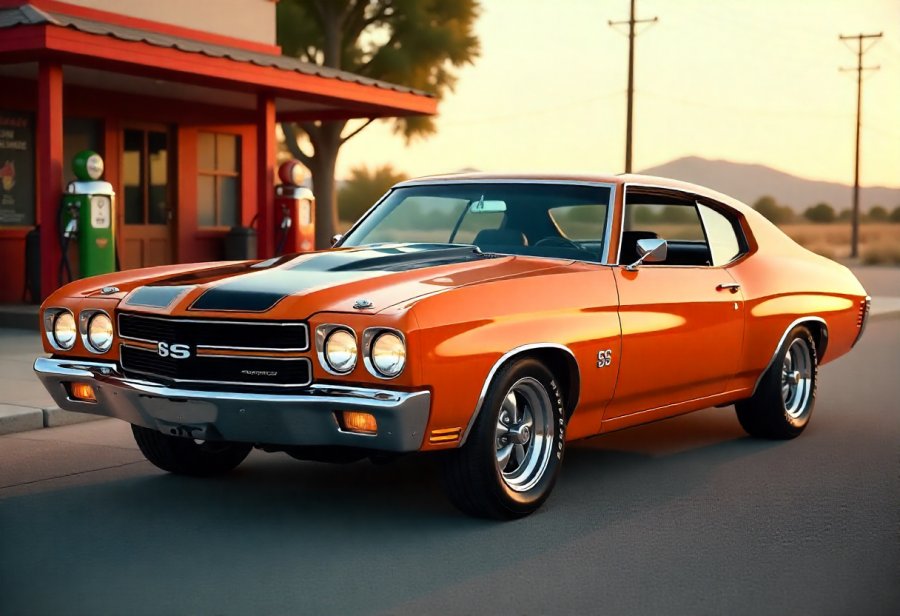
The Chevrolet SS of the 1970s left a legacy that continues to resonate well beyond its years of production. More than just a symbol of raw power and bold design, it became a cultural icon representing American ingenuity and a rebellious spirit that still captures enthusiasts’ imaginations today. Its thunderous engines and muscular stance embodied an era when performance and attitude went hand in hand, making it a true reflection of American muscle car dominance.
This influence endures through the passionate efforts of restorers, collectors, and fans who keep the legend alive. Restoring these cars isn’t just about aesthetics; it’s a way to reconnect with a time when speed was king and cars were crafted to make a statement. Whether at car shows or cruising down open roads, the roar of a well-tuned Chevelle SS 454 reminds us of the golden age of muscle cars, inspiring new generations to appreciate their significance.
The visual impact of these vehicles—aggressive lines, distinctive hoods, vibrant colors—continues to turn heads. Their design, combined with legendary performance, has cemented their status as more than machines; they are symbols of freedom, rebellion, and the pursuit of excellence in American automotive history. Each restored example, each story shared at gatherings, reinforces their mythic status and cultural relevance.
Beyond their technical prowess, these cars embody a spirit of innovation and daring. They remind us that American automakers once pushed boundaries relentlessly, creating vehicles that weren’t just about getting from point A to B but about making a bold statement on every street corner. Today, that daring attitude still inspires modern performance cars and custom builds, blending past and present in a continuous tradition of boldness.
The ongoing interest from younger enthusiasts ensures that the legacy of the Chevrolet SS remains vibrant. They see these cars not just as relics but as sources of inspiration—vehicles that tell stories of rebellion, craftsmanship, and American pride. Supporting original parts, sharing restoration experiences, and participating in car culture help keep that spirit alive and thriving.
In a world where speed and style continue to evolve, the 1970s Chevrolet SS stands as a testament to a time when American muscle was at its peak. Its roar still echoes in modern designs and in the hearts of those who value performance with attitude. The legend persists because it’s rooted in a genuine passion for pushing limits and making a statement—an enduring symbol of all that makes muscle cars an authentic part of American culture.