




In a rapidly evolving digital landscape, the question arises: is reliable communication truly the backbone of success, or are modern business phone services transforming how companies connect and compete? From the days of landlines to today’s sophisticated VoIP and cloud-based platforms, organizations now benefit from scalable, feature-rich solutions that enhance professionalism, security, and resilience. These systems enable seamless, real-time interactions—directly impacting customer satisfaction and operational efficiency—while supporting remote work and ensuring compliance with stringent data standards. Yet, as technology advances with AI, 5G, and automation, a new challenge emerges: how do businesses balance innovation with stability and ethical considerations? This ongoing evolution promises smarter, more secure, and adaptable communication ecosystems, but also demands strategic foresight. Is your organization prepared to navigate this digital transformation, leveraging advanced tools to foster growth and resilience in an increasingly competitive world?
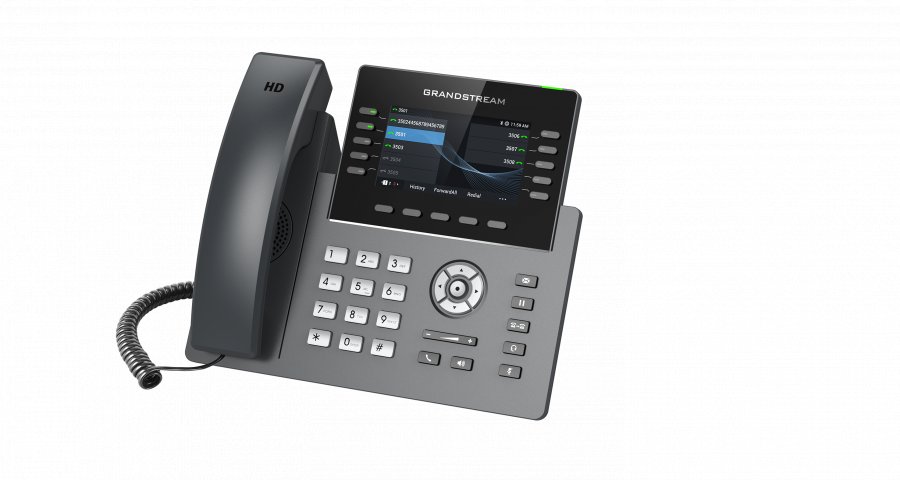
Transforming Communication: From Handwritten Memos to Instant Digital Interactions
Business communication has come a long way from the days when handwritten memos and landline phones were the primary tools. As technology advanced, so did the ways organizations connect internally and externally. Today’s digital tools—like instant messaging, video calls, and cloud-based platforms—are standard, allowing for faster, more flexible interactions. This shift isn’t just about convenience; it reflects a growing demand for speed, efficiency, and professionalism in today’s competitive landscape.
Moving beyond traditional methods, modern communication systems support real-time, seamless exchanges that improve collaboration. Companies now rely on internet-based solutions such as VoIP, which transform how voice calls are handled and managed. These platforms allow organizations to add features like call forwarding, auto-attendants, and mobile integration easily, making communication more adaptable to changing needs. This flexibility helps businesses respond quickly to customer inquiries and internal demands, strengthening overall agility.
The importance of dependable communication infrastructure has never been clearer. When channels are clear and reliable, misunderstandings decrease, decision-making speeds up, and relationships with clients become stronger. As businesses expand, maintaining consistent communication becomes crucial. Cloud-based solutions not only simplify management but also boost resilience—calls can be rerouted instantly if hardware encounters issues, ensuring operations continue smoothly without disruption.
This evolution also emphasizes security and compliance. Modern systems incorporate encryption, secure authentication, and data retention features that meet industry standards. For sectors like healthcare and finance, these tools are vital for protecting sensitive information and maintaining trust. As regulations tighten, having a secure, compliant communication platform becomes a strategic advantage, enabling organizations to operate confidently in a digital environment.
Understanding how communication methods have transformed highlights their vital role today. From simple voice calls to sophisticated cloud platforms, each step has aimed to make connections faster, more reliable, and more secure. The ongoing shift underscores that effective business communication isn’t static; it’s a dynamic landscape driven by innovation, supporting growth and resilience in an increasingly digital world.
From Landlines to Cloud: The Evolution of Business Communication Tools
The way businesses have communicated with clients and colleagues has changed dramatically over the years, beginning with the simple landline phone. In the early days, companies relied solely on physical phone lines, which provided dependable voice transmission but came with significant limitations. Expanding these systems was costly and complex, making it difficult for growing organizations to keep pace with their needs. The hardware-dependent nature of landlines meant that updates or modifications often required substantial investments, limiting flexibility and agility.
With the advent of digital technology, a major shift occurred through the rise of internet-based communication. The development of Voice over Internet Protocol (VoIP) revolutionized business calls by transmitting voice data over the internet rather than traditional lines. This breakthrough drastically reduced costs and offered unprecedented flexibility, allowing companies to add new lines, features, or extensions with ease. VoIP also enabled functionalities like auto-attendants, call forwarding, and mobile device integration—features that traditional landlines couldn’t support—making communication more adaptable and efficient.
This theme is discussed in greater detail in Jessamine Robinson‘s article Transforming Business Communication for the Digital Age on Madison County Friends.
This transition wasn’t just about savings; it fundamentally changed how organizations operated. Cloud-based solutions took VoIP further by enabling remote management through online dashboards. Companies could now update, troubleshoot, or scale their systems without physical hardware changes, simplifying maintenance and boosting responsiveness. These cloud platforms also enhanced resilience, with automatic call rerouting during hardware failures or emergencies, ensuring continuous connectivity.
Milestones such as auto-attendants and sophisticated call routing emerged as game changers in customer service. Automated greetings and intelligent call distribution allowed high call volumes to be handled professionally, reducing wait times and improving the customer experience. Meanwhile, mobile integration became essential for remote and hybrid work models, empowering employees to stay connected outside the office without sacrificing productivity or responsiveness.
This evolution from landlines to internet-enabled platforms reflects a broader trend toward smarter, more flexible systems that support business growth. The driving forces behind this change include the need for cost-effectiveness, scalability, and rapid adaptation to market demands. Today, organizations view communication infrastructure not as a static expense but as a strategic asset capable of fueling expansion and resilience.
In summary, the shift from traditional landlines to internet-based communication platforms represents a technological revolution that continues to shape how companies operate. This ongoing transformation emphasizes that effective, secure, and adaptable communication is essential for success in today’s fast-paced, digital-driven environment.

Modern Business Phone Services: Powering Success in a Digital World
Today’s business communication landscape is more advanced and versatile than ever before, directly impacting how organizations operate and succeed. Voice over Internet Protocol (VoIP) remains the dominant technology, offering cost-effective, scalable, and feature-rich solutions that cater to businesses of all sizes. Unlike traditional landlines, VoIP transmits calls over the internet, significantly lowering costs while unlocking features like auto-attendants, call forwarding, video conferencing, and mobile integration. These tools help companies present a professional image and respond swiftly to customer needs, making interactions smoother and more efficient.
Cloud-based platforms have transformed how businesses manage their communication systems. They provide centralized control through intuitive dashboards, allowing managers to add users, modify features, or troubleshoot remotely. This flexibility simplifies scaling operations as companies grow and enhances resilience. If hardware fails or an outage occurs, calls can be rerouted instantly to mobile devices or alternative lines, ensuring continuous connectivity and minimizing disruptions. Such robustness is essential for organizations that depend on constant communication to keep operations running smoothly.
Modern communication systems also significantly improve customer experience. Automated features like auto-attendants efficiently handle high call volumes, guiding callers to the right department without long waits. Call routing based on caller needs, time, or specific queries ensures that customers reach the most suitable representative quickly, boosting satisfaction and loyalty. Mobile integration allows employees to stay connected outside the office, supporting remote work and on-the-go responsiveness, which are crucial in today’s flexible work environments.
Security and compliance have become central in choosing business phone solutions. Today’s systems incorporate encryption, secure authentication, and data retention features to meet industry standards and protect sensitive information. For sectors like healthcare, finance, and legal services, these tools are vital for safeguarding data and maintaining trust. Staying ahead of evolving regulations by leveraging secure, compliant platforms gives organizations a competitive edge and peace of mind.
The shift from traditional landlines to internet-based communication platforms reflects a broader move toward smarter, more adaptable systems. These solutions not only support growth and agility but also enable companies to operate more efficiently in a fast-paced, digital world. They foster better collaboration, enhance professionalism, and provide the tools needed to meet modern customer expectations.
In essence, today’s business phone services are integral to maintaining competitiveness. They streamline daily operations, elevate customer interactions, and support remote and hybrid work models seamlessly. As technology continues to evolve, organizations that leverage these advanced tools will find themselves better equipped to navigate market challenges and seize new opportunities.
This landscape is characterized by a focus on reliability, security, and flexibility—cornerstones of successful enterprise communication. Companies investing in the latest systems benefit from increased responsiveness, improved service quality, and greater resilience. These features ensure that communication remains a strategic advantage rather than a bottleneck.
This subject is also discussed on Kung Fu Quill by Kenneth Thomas in Transform Your Business Communication for Future Success.
Overall, the current landscape of business phone services exemplifies how technology can transform traditional communication into a dynamic, strategic asset. Embracing these tools is no longer optional; it’s essential for organizations aiming to stay competitive, compliant, and connected in an increasingly digital world.
Connecting Features to Success: Practical Applications of Advanced Communication Technologies
Modern business phone systems are more than just tools for making calls—they’re integral to daily operations and customer engagement. Features like call routing and auto-attendants streamline the flow of incoming inquiries, directing callers efficiently to the right department or representative. This reduces wait times, enhances professionalism, and leaves a positive impression that can build trust and loyalty. Automated systems handle high call volumes with ease, freeing staff to focus on complex tasks and ensuring no inquiry goes unanswered.
Security has become a critical aspect of business communications, especially with increasing data sensitivity and regulatory demands. Today’s systems incorporate encryption, secure authentication, and data retention features that safeguard conversations and protect confidential information. For sectors such as healthcare, finance, and legal services, these tools aren’t optional—they’re essential for compliance and maintaining client trust. Investing in secure communication platforms helps organizations avoid costly breaches and legal penalties, supporting long-term stability.
Discover Africa Hub offers a relevant article by Izzy Spencer titled Revolutionizing Business Communication for a Digital Age.
Mobile integration is transforming how teams collaborate, particularly in remote and hybrid work models. Employees can make and receive business calls on their smartphones, maintaining seamless communication regardless of location. This flexibility allows businesses to respond swiftly to customer needs, keep remote teams connected, and improve overall productivity. Simplifying device management and reducing operational friction, mobile-enabled systems make remote work more effective and less disruptive.
Features like auto-attendants, call routing, and mobile apps are directly linked to operational efficiency. Automated greetings and intelligent call distribution ensure high call volumes are managed smoothly, with customers reaching the right person quickly. This not only improves the customer experience but also enhances internal workflows by reducing miscommunication and repetitive tasks. These tools empower organizations to deliver consistent, high-quality service in competitive markets.
Beyond immediate operational benefits, these technological features also support scalability and resilience. Cloud-based management dashboards enable quick updates, easy scaling, and remote troubleshooting, making growth seamless. During hardware failures or emergencies, calls can be rerouted instantly to mobile devices or backup lines, minimizing downtime and maintaining business continuity. This resilience is vital for organizations that rely on uninterrupted communication to serve clients and operate effectively.
In essence, the integration of advanced communication features translates into tangible advantages—improved customer satisfaction, enhanced security, operational agility, and cost savings. As technology continues to evolve, businesses that leverage these capabilities will be better positioned to adapt to changing market demands, strengthen their reputation, and sustain growth in a competitive landscape. Connecting these tools to real-world needs turns innovative features into powerful drivers of success.

Looking Ahead: The Future of Business Communication in an Age of Innovation
Looking ahead, the future of business communication promises smarter, more secure, and highly adaptable systems. Artificial intelligence is set to revolutionize interactions with features like automated call analysis, real-time translation, and advanced security protocols. These innovations will enable organizations to respond faster and more accurately to customer needs, breaking down language barriers and safeguarding sensitive information with increasing sophistication. As 5G networks become widespread, the surge in speed and reliability will support seamless high-quality video calls, instant file sharing, and more dynamic remote collaboration, making distance less of a hurdle and opening new avenues for growth.
Security will remain a top priority as organizations manage more sensitive data and navigate tighter regulations. Future platforms are expected to incorporate cutting-edge encryption, biometric authentication, and AI-driven threat detection, ensuring conversations stay private and compliant without sacrificing usability. Building trust with clients and partners will hinge on balancing robust security measures with ease of access, fostering confidence in digital communication channels.
Advancements in AI and machine learning will also reshape how businesses manage their communications. Predictive analytics, personalized customer interactions, and intelligent call routing will allow companies to respond more swiftly and precisely, gaining a competitive edge. These tools will support flexible work environments, empowering employees to stay connected from anywhere and across devices, creating a unified, frictionless communication experience.
Regulatory landscapes will continue to influence technology adoption. As privacy standards tighten globally, providers will need to embed compliance into their solutions seamlessly. Organizations must stay vigilant, integrating these evolving standards into their communication strategies proactively rather than reactively. This ongoing evolution will demand strategic investments and careful planning to ensure stability, security, and trust.
Despite the promising potential, integrating new technologies into existing systems may pose challenges. Companies will need to balance innovation with stability, avoiding disruptions while upgrading. Ethical considerations around AI use and data privacy will require ongoing attention to ensure automation enhances human oversight rather than replaces it.
Overall, the trajectory points toward communication environments that are more intelligent, secure, and flexible. These advancements will help organizations operate more efficiently, build stronger relationships, and adapt swiftly to market changes. Embracing these trends early will position businesses for sustained growth, resilience, and a competitive advantage in an increasingly connected world. The evolution of business communication is not just about technology—it’s about creating resilient, agile systems that support long-term success in the digital age.