Transforming Toronto yards into stunning outdoor retreats is more than an aesthetic pursuit—it’s a delicate balance of beauty, sustainability, and client satisfaction. How can homeowners craft lush, personalized spaces that thrive amid Toronto’s unique climate and cultural diversity? This guide explores the power of native, resilient plants, eco-friendly materials, and innovative stormwater solutions to create landscapes that are both vibrant and environmentally sound. It emphasizes a collaborative, client-centered design process that ensures each outdoor space reflects individual lifestyles while supporting long-term sustainability. Maintaining these retreats demands ongoing care, with strategies like organic gardening, smart irrigation, and seasonal adjustments ensuring lasting beauty and resilience. Looking forward, technological advances and eco-conscious trends promise smarter, more adaptable yards that seamlessly blend ecology and design. Are future outdoor spaces in Toronto destined to be more than mere aesthetics—could they become vital ecosystems, personalized sanctuaries, and symbols of environmental stewardship all at once?
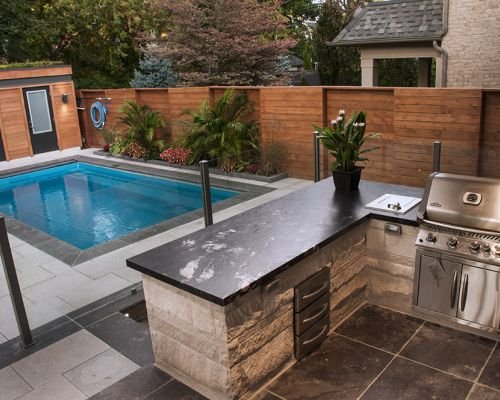
Transform Your Toronto Yard into a Personal Sanctuary
Transforming Toronto yards into inviting outdoor retreats is about more than just aesthetics; it’s a way for homeowners to create personal sanctuaries amid the city’s lively energy. Whether it’s a peaceful garden for quiet mornings or a vibrant space for gatherings, the goal is to craft outdoor environments that reflect individual tastes while boosting property value. Achieving this balance involves blending beauty with practicality—ensuring each element serves both form and function. A well-designed yard isn’t just visually appealing; it’s a space that supports everyday life and long-term sustainability.
Toronto’s climate plays a significant role in shaping these transformations. Heavy snowfall in winter and humid summers influence plant choices and maintenance routines. Native plants that thrive in local conditions become essential, requiring less water and fewer chemicals, which reduces ongoing costs and environmental impact. Incorporating resilient, eco-friendly species helps keep yards lush and vibrant year-round, regardless of seasonal shifts. This thoughtful plant selection ensures that the outdoor retreat remains both beautiful and sustainable, season after season.
Cultural diversity in Toronto also inspires a wide range of landscape styles. From sleek modern patios to traditional gardens, homeowners have the freedom to personalize their outdoor spaces. Creative combinations of different influences—whether contemporary trends or cultural motifs—result in retreats that feel authentic and unique. The aim is to develop outdoor rooms that are both functional and reflective of the homeowner’s personality, turning a simple yard into a true extension of their lifestyle.
Creating a successful outdoor retreat requires careful planning and ongoing collaboration. Landscape professionals work closely with clients to understand their vision, lifestyle, and priorities. Clear communication throughout the process ensures that design ideas are accurately translated into reality. From selecting native plants to choosing sustainable materials, every decision is tailored to Toronto’s environment and the homeowner’s preferences. This partnership approach guarantees a final space that’s both beautiful and practical, making the transformation truly personal.
Once the yard is established, maintaining its beauty and sustainability becomes an ongoing effort. Regular routines like pruning, watering, and fertilizing keep plants healthy and vibrant. Incorporating eco-friendly upgrades—such as smart irrigation or native plantings—helps adapt the landscape to changing conditions. Long-term strategies ensure the outdoor retreat remains resilient, eco-conscious, and inviting for years to come. In the end, a well-maintained yard becomes more than just a pretty space; it becomes a lasting sanctuary that enhances everyday life while respecting the environment.
Embrace Eco-Friendly Practices for a Sustainable Landscape
Sustainable landscaping is the foundation of creating eco-friendly yards in Toronto. It’s about making smart choices that protect local ecosystems while still delivering a beautiful, functional outdoor space. Central to this approach is the use of native plants, which are naturally adapted to Toronto’s climate. These resilient species thrive with minimal watering and chemical inputs, reducing maintenance costs and environmental impact. By prioritizing native plants, homeowners support local biodiversity and cultivate landscapes that remain lush and healthy year-round.
Water conservation is another key element. Installing drip irrigation systems, harvesting rainwater, and choosing drought-tolerant native plants help minimize water use and waste. These practices ensure your garden receives just what it needs, especially during dry spells, without over-relying on municipal water. Not only does this lower utility bills, but it also reduces your yard’s ecological footprint, making sustainability an integral part of the landscape design. Every drop saved benefits both your garden and the environment.
Eco-friendly materials further reinforce sustainable practices. Recycled bricks, sustainably sourced wood, and permeable pavers help reduce environmental harm while adding visual appeal. These materials allow rainwater to naturally seep into the soil, preventing runoff and erosion. They tend to last longer and require less chemical treatment, making them practical and responsible choices. Incorporating them into your yard supports healthier soil and water systems, creating a more resilient landscape that benefits the broader ecosystem and your outdoor space alike.
Organic gardening techniques also play a crucial role. Composting yard debris transforms waste into nutrient-rich soil, decreasing dependence on synthetic fertilizers. Natural pest management, like introducing beneficial insects or using organic sprays, helps maintain a balanced ecosystem. These methods foster soil health and biodiversity, ensuring your yard stays lush and resilient without harmful chemicals. They promote a healthier habitat for pollinators and beneficial insects, vital for a thriving garden and sustainable landscape.
Designing with ecology in mind means managing stormwater effectively through features like rain gardens, bioswales, and permeable pavements. These elements absorb excess water during heavy rains, reducing runoff that can carry pollutants into waterways. Besides their ecological benefits, they add visual interest and create a harmonious landscape that balances beauty with functionality. Emphasizing these sustainable practices ensures your outdoor space remains vibrant, resilient, and in tune with Toronto’s environmental needs, supporting a healthier city and a more sustainable future.

Involving Homeowners Every Step of the Way
A successful yard transformation begins with truly understanding what the homeowner envisions and needs. Listening carefully during initial conversations helps designers grasp the client’s lifestyle, preferences, and priorities. Whether they dream of a tranquil retreat, an entertainment hub, or a family-friendly garden, clear communication from the start ensures the design aligns with those goals. Asking detailed questions about how they plan to use the space keeps the project focused and relevant, avoiding unnecessary features that don’t serve their lifestyle.
Involving clients throughout the process isn’t just about hearing their ideas; it’s about making them active participants. Regular check-ins, updates, and opportunities for feedback help keep the project on track. This ongoing dialogue builds trust and makes sure the final result genuinely reflects their tastes and expectations. When clients feel heard and involved, they’re more likely to be satisfied with the finished yard and less prone to surprises or miscommunications.
Designing within Toronto’s climate requires special attention to native plants and materials suited to local conditions. Clients often have strong style preferences or specific features they want to include, but balancing these with environmental considerations ensures durability and low maintenance. Educating them about plant choices and sustainable options helps them make informed decisions, which boosts their confidence and satisfaction. When homeowners understand the reasoning behind certain design choices, they tend to feel more connected to the final result.
Flexibility is key as projects evolve. Sometimes, clients change their minds or discover new ideas midway through. Good designers adapt by offering alternatives or adjustments that stay true to the original vision while accommodating these updates. This approach prevents frustration and keeps the process enjoyable. When homeowners see their evolving preferences reflected in the plan, the finished yard feels more personal and meaningful.
Focusing on both beauty and practicality in the layout ensures that the space is not only visually appealing but also easy to navigate and maintain. Discussing how different features—such as seating areas, pathways, or focal points—will be used helps create a balanced design. This thoughtful integration gives clients confidence that their yard will be functional for everyday life, whether for relaxing, entertaining, or playing.
Finally, clear communication during installation plays a crucial role in ensuring client satisfaction. Regular updates and walkthroughs allow clients to see progress and voice concerns early. When they understand each step, they feel more involved and reassured, which enhances their overall experience. Following up after project completion to address any adjustments shows ongoing care, turning a one-time transformation into a trusted partnership. This client-centered approach builds confidence and ensures the yard becomes a true reflection of their vision and lifestyle.
Long-Term Strategies to Keep Your Yard Beautiful and Resilient
Maintaining a beautiful and sustainable yard in Toronto requires consistent effort and thoughtful updates over time. Regular routines such as pruning, watering, and fertilizing are key to keeping plants healthy and vibrant. Deep watering during dry spells encourages strong root growth, making the landscape more resilient and easier to care for. Establishing straightforward maintenance habits helps homeowners preserve their outdoor sanctuary without unnecessary stress or expense.
Beyond daily care, adopting eco-friendly practices ensures long-term sustainability. Composting yard debris turns waste into valuable nutrients, reducing reliance on chemical fertilizers and enriching the soil naturally. Encouraging beneficial insects or using organic pest control methods maintains a healthy ecosystem, protecting pollinators and fostering biodiversity. These approaches create a resilient landscape that sustains itself with minimal chemical intervention, aligning with eco-conscious design principles.
Strategic upgrades help keep your yard fresh and adaptable as your needs evolve. Replacing outdated irrigation systems with water-efficient models or adding native plantings can significantly boost sustainability. Incorporating features like a seating area or firepit not only enhances usability but also invites more frequent enjoyment, encouraging ongoing engagement with the space. Regularly reassessing your landscape allows you to refresh and refine, ensuring it remains functional and attractive over the years.
Stormwater management remains vital for long-term landscape health. Installing rain gardens, bioswales, and permeable pavements helps absorb excess water during heavy rains, reducing runoff and erosion. These features not only protect the environment but also add visual interest, blending ecological function with aesthetic appeal. Thoughtful stormwater solutions turn potential challenges into opportunities for creative landscape design.
Staying informed about new technologies and best practices keeps your yard thriving. Smart irrigation systems, organic soil amendments, and eco-friendly materials provide tools for continuous improvement. Engaging with local workshops or consulting landscape professionals can introduce innovative ideas that enhance sustainability and ease of maintenance. Embracing ongoing learning helps your outdoor retreat adapt seamlessly to changing conditions.
Incorporating low-maintenance native plants reduces the need for frequent intervention and supports local ecosystems. These plants are naturally adapted to Toronto’s climate, requiring less water, fewer chemicals, and minimal pruning. Over time, this approach results in a lush, resilient landscape that sustains itself and requires less ongoing effort, making your yard easier to care for while remaining vibrant.
Seasonal adjustments also play a role in long-term care. Mulching helps conserve soil moisture and suppress weeds, while seasonal planting adds color and interest throughout the year. Planning for these changes allows your landscape to stay lively and engaging, regardless of the season. A flexible approach ensures your yard remains a welcoming retreat no matter the time of year.
Finally, cultivating a mindset of continuous improvement and adaptation ensures your outdoor space remains both beautiful and sustainable. Regularly reviewing your landscape’s health and performance encourages proactive care and innovation. When you treat your yard as a dynamic, evolving environment, it becomes a true reflection of your commitment to environmental responsibility and personal enjoyment—an outdoor retreat that grows more rewarding with each passing season.

Discover the Future of Outdoor Spaces in Toronto
Looking ahead, Toronto’s outdoor spaces are on the brink of exciting transformation, driven by a wave of innovative technology and eco-conscious design trends. Smart systems are becoming increasingly common, with automated irrigation, climate-responsive lighting, and sensors that monitor soil moisture helping homeowners maintain lush landscapes with minimal effort. These tools not only save water and energy but also make landscape upkeep more seamless, aligning with the city’s push for sustainability and efficiency.
Recycled and permeable materials are gaining popularity as well, offering durable, eco-friendly options that support both aesthetics and environmental health. From recycled composite decking to biodegradable mulches and permeable pavers, these materials enable creative freedom while reducing runoff and erosion. They allow homeowners to craft modern, flexible outdoor retreats that adapt easily as lifestyles evolve, ensuring their yards remain both functional and stylish over time.
The importance of native plants and biodiversity continues to grow, transforming yards into vital habitats for pollinators, birds, and beneficial insects. Incorporating features like green walls, living roofs, and naturalistic gardens helps turn Toronto yards into ecological refuges amid urban density. These elements not only boost resilience against climate fluctuations but also foster a deeper connection to local ecosystems, making outdoor spaces more meaningful and sustainable.
Technology’s role will deepen, with voice-controlled lighting, remote garden management, and app-based irrigation systems becoming more accessible. These innovations turn outdoor spaces into personalized extensions of the home, offering heightened convenience and customization. As smart outdoor tech advances, yards will become more intuitive, allowing homeowners to enjoy their retreats with less manual effort while enjoying optimal beauty and comfort.
Design trends will emphasize flexibility, with modular features and moveable planters supporting evolving needs. This approach encourages homeowners to reshape their outdoor environments without starting from scratch—adding a firepit, creating a play zone, or planting a vegetable garden as interests shift. Such adaptable landscapes foster ongoing engagement and ensure the outdoor retreat remains relevant and inviting.
Sustainability will continue to influence aesthetic choices, favoring naturalistic, low-maintenance gardens that blend beauty with function. As climate challenges intensify, resilient plantings and stormwater management solutions will become standard. These features not only protect the environment but also enhance visual appeal, transforming yards into harmonious spaces where ecology and design coexist seamlessly.
The integration of outdoor technology with smart home systems will deepen, creating cohesive environments that respond dynamically to weather and time. Automated lighting, soil moisture sensors, and remote monitoring will make outdoor spaces more energy-efficient and enjoyable, turning them into truly living extensions of daily life. These advancements promise to elevate the outdoor experience, making it more effortless and personalized.
To stay ahead of these trends, homeowners and professionals alike must embrace continuous learning and experimentation. Attending local workshops, exploring new products, and collaborating with eco-minded designers will keep landscapes fresh and resilient. By adopting a forward-thinking mindset, Toronto yards can evolve into vibrant, sustainable spaces that serve both personal enjoyment and environmental stewardship well into the future.