In a world dominated by screens and digital connections, can tending a garden together truly unlock deeper bonds and emotional healing? This thought-provoking exploration reveals how shared outdoor work transforms gardening from a solitary hobby into a powerful act of partnership. As hands dig into soil, water, and nurture life, relationships flourish through patience, communication, and mutual care. Gardening offers profound therapeutic benefits, calming anxious minds and fostering resilience, yet it’s not without challenges—disagreements, accessibility issues, and environmental setbacks can test even the strongest bonds. Yet, these obstacles highlight the importance of flexibility and persistence. By weaving gardening into daily routines or community projects, we discover simple acts of care that build trust and deepen connection over time. Ultimately, this quiet, nurturing act reminds us that genuine bonds grow slowly and steadily—do we have the patience to cultivate them?
Reconnecting with Nature: Building Emotional Bonds Through Gardening
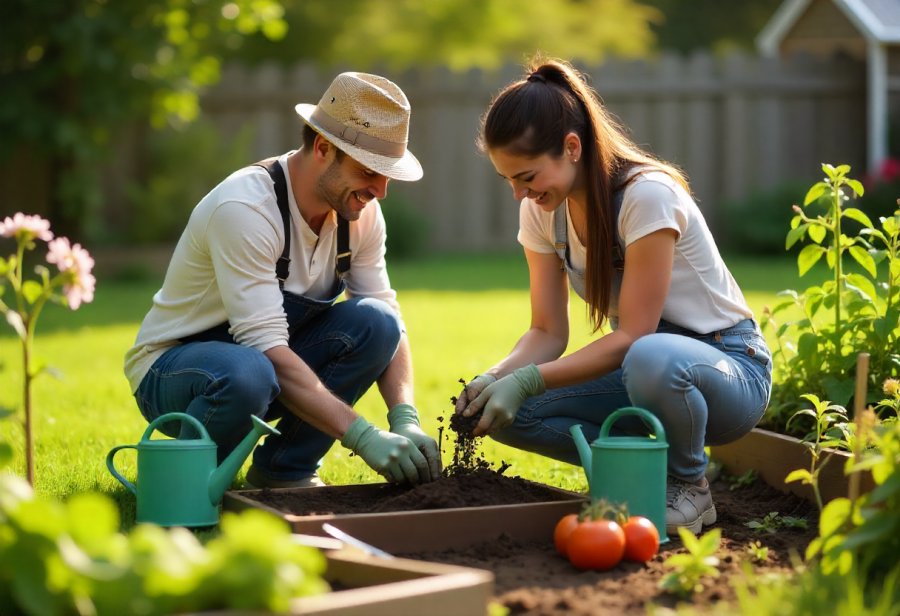
In today’s digital world, it’s easy to feel disconnected from the natural rhythms of life. We spend hours scrolling through feeds, replying to messages, and engaging with screens, often at the expense of genuine, hands-on experiences. Gardening offers a simple yet powerful way to step outside that digital noise and reconnect with the earth—and with each other. When we dig into soil together, we create space for patience, understanding, and shared purpose to grow naturally, nurturing bonds that stand apart from the constant hum of technology.
Working side-by-side outdoors transforms gardening from a solitary task into a shared journey. Whether planting seeds, watering rows, or tending to flowers, these acts foster open communication and teamwork. As the plants flourish through your combined efforts, so do the emotional connections between those involved. Gardening becomes more than just a hobby; it becomes a quiet dialogue—a way to nurture relationships through care, patience, and collaboration.
Many of us have become more detached from nature as our lives grow busier and more screen-focused. This shift has contributed to feelings of isolation, even amid constant online connectivity. Gardening grounds us in the present moment, encouraging mindfulness and slowing down the rush of everyday life. The tactile act of tending to plants, feeling soil, and smelling herbs reminds us of the importance of patience and care, helping rebuild a sense of belonging and emotional resilience.
Beyond its calming effects, gardening acts as a gentle form of emotional therapy. The sensory experiences—touching soil, watching sprouts emerge, inhaling fragrant herbs—can soothe anxiety and lift spirits. When shared with others, these moments deepen trust and foster a sense of shared achievement. In this quiet space, honest conversations often flow naturally, strengthening bonds without the pressure of direct dialogue.
Gardening also teaches us that growth takes time. Seeing plants develop slowly yet steadily mirrors the patience needed to nurture meaningful relationships. Overcoming setbacks like pests or weather challenges cultivates empathy and resilience—lessons that apply just as much to human connections. As we tend to life in the garden, we learn that caring, like growing, requires consistent effort and gentle persistence.
Ultimately, tending a garden together reminds us that genuine connection is cultivated slowly and steadily. It’s a reminder that, even in a fast-paced, screen-driven world, there’s profound value in shared effort, patience, and care. Gardening becomes a peaceful act of healing—a way to nurture not only plants but the emotional bonds that sustain us.
Healing Hands: The Therapeutic Power of Gardening
Gardening has long been celebrated for its calming effects, and recent insights reveal why it’s so effective for mental health. When we work with soil, plants, and flowers, we slow down and focus on tangible, present-moment actions. This shift from daily worries to simple tasks quiets the mind, helping to reduce feelings of anxiety and stress. The sensory experiences—feeling the texture of soil, smelling fresh herbs, or watching tiny sprouts emerge—create a soothing rhythm that naturally lowers cortisol levels and boosts feelings of well-being.
Research consistently shows that spending time outdoors and engaging with nature can significantly decrease stress hormones while enhancing mood. When we nurture plants, we also foster a sense of purpose. Watching seeds transform into thriving, blooming life provides a quiet sense of achievement that can lift spirits and bolster resilience. Sharing these moments with others amplifies their therapeutic power, turning gardening into a collective act of emotional healing and connection.
Getting your hands in the dirt grounds you in something larger than yourself. It connects you to natural cycles of growth and renewal, offering comfort during challenging times. This tactile engagement encourages mindfulness, helping us stay present and divert attention from stressful thoughts. As we water, plant, and weed, our minds settle into a peaceful rhythm, giving us a mental break and building emotional strength without the need for words.
The outdoor environment itself plays a vital role in restoring mental clarity. Sunlight, fresh air, and gentle sounds combine with physical activity to release endorphins—the body’s natural mood boosters. These elements work together to make gardening an accessible, soothing way to lift spirits and improve mental health. It’s an activity that offers immediate relief and long-term benefits, especially after periods of emotional fatigue.
Sharing a garden experience often deepens communication and understanding. The relaxed, natural setting makes it easier to listen and be vulnerable, fostering trust without forced conversation. As plants grow through collective effort, so do emotional bonds, rooted in shared purpose and patience. These quiet, ongoing acts of care create a space for emotional healing that feels both natural and nurturing.
Gardening isn’t just a hobby; it’s a gentle yet powerful form of therapy. Its calming influence helps manage stress, build resilience, and promote emotional well-being. When done together, it becomes a meaningful act of connection—one that nurtures both plants and relationships. With patience and care, tending a garden can be a profound way to cultivate mental clarity, emotional strength, and lasting bonds.
Overcoming Hurdles: Navigating Challenges and Conflicting Perspectives in Gardening
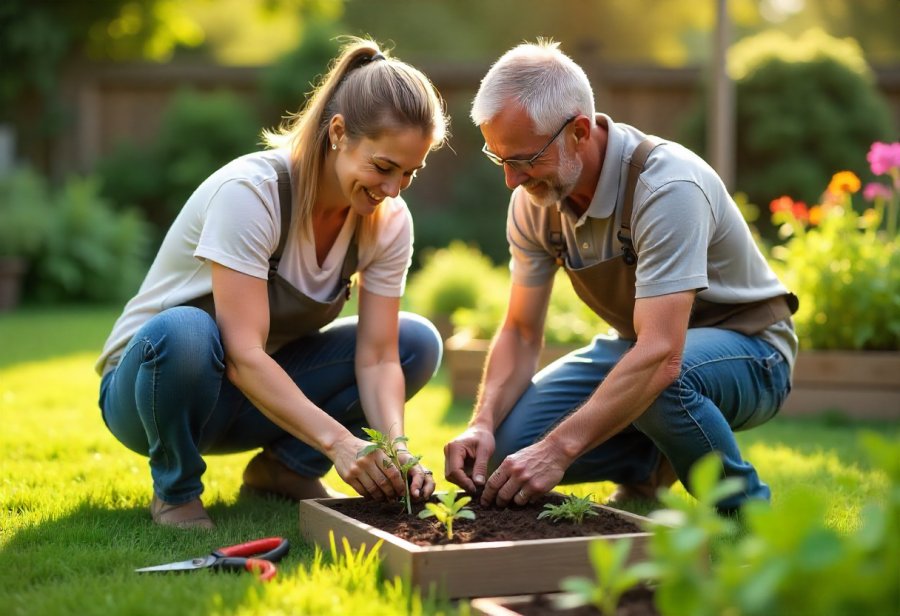
While many see gardening as a natural way to deepen connections, it’s not always a straightforward or stress-free activity. Frustration can creep in when plants don’t thrive or when disagreements arise over care routines. These setbacks can turn what’s meant to be a bonding experience into a source of tension, especially if expectations aren’t aligned or if one person finds outdoor work more burdensome than relaxing. Such challenges highlight that gardening isn’t a universal remedy; it requires patience and understanding to truly foster connection.
Accessibility also poses a significant obstacle. Not everyone has the physical ability, outdoor space, or time to engage in gardening regularly. For those with limited mobility or busy schedules, participating in outdoor planting might feel like an insurmountable hurdle. This can create feelings of exclusion or frustration, making it harder to use gardening as a tool for emotional bonding. Recognizing these barriers helps us approach gardening with flexibility and compassion, rather than as a one-size-fits-all solution.
Society’s view of outdoor activities has shifted over time, emphasizing their mental health benefits and community-building potential. Nonetheless, environmental factors like weather, space constraints, or health issues can interfere. Poor weather or small shared plots may limit opportunities for consistent engagement, reducing gardening’s effectiveness as a bonding activity. When plans are disrupted, or when enthusiasm wanes, it’s easy for the activity to feel more like a chore than a source of joy, which can diminish its emotional impact.
Conflicting perspectives also emerge around the physical effort involved. Some find gardening to be a relaxing, therapeutic escape, while others see it as exhausting or burdensome. If one person views it as a peaceful ritual and the other as a demanding task, misunderstandings can develop. These differences can unintentionally create distance rather than closeness, especially if expectations aren’t openly discussed beforehand.
Despite these challenges, the growing recognition of outdoor activities’ emotional benefits encourages us to approach gardening with realistic expectations. Flexibility, patience, and adaptation are key. Smaller, accessible projects or indoor gardening can serve as alternatives that still promote connection without the stress of larger endeavors. Acknowledging and respecting individual limits ensures that gardening remains a positive, inclusive way to foster bonds rather than a source of frustration.
While obstacles exist, they don’t negate the potential of gardening to nurture relationships. Being mindful of these challenges allows us to approach shared gardening experiences with openness and empathy. When done thoughtfully, gardening can still offer a gentle path to connection—one that grows stronger not despite setbacks, but through the patience and resilience we cultivate along the way.
Growing Together: Practical Ways to Integrate Gardening into Daily Life
Integrating gardening into daily routines offers a simple yet powerful way to deepen relationships. Even just a few minutes each day spent watering, pruning, or harvesting can transform ordinary moments into meaningful interactions. These small acts foster a sense of shared responsibility, turning chores into rituals that bring people closer. Whether tending a balcony garden or a backyard plot, working side by side creates a calm space for conversation and collaboration amid everyday life.
Establishing regular gardening routines helps build a comforting rhythm that anchors busy schedules. Setting aside specific times—like weekend mornings or evening after work—creates consistent opportunities for connection. As these routines become familiar, they become moments of peace and presence, encouraging patience and attentiveness. Over time, this steady practice nurtures stronger bonds, rooted in the quiet satisfaction of nurturing life together.
Community gardens and urban plots expand the scope of gardening as a social activity. Participating in neighborhood projects or school gardens invites neighbors and friends to collaborate, fostering a sense of belonging and collective pride. These shared efforts highlight how outdoor care can transcend individual relationships, creating broader networks of support and connection. Engaging in collective planting or maintenance reinforces the idea that growth—both in plants and in community—takes teamwork and shared commitment.
Even simple gardening acts like watering container plants or planting seasonal flowers can become opportunities for emotional nurturing. These casual tasks, done together, reinforce attentiveness and supportiveness without requiring elaborate planning. Over time, they cultivate a quiet confidence in each other’s presence, subtly strengthening emotional ties through ongoing, caring gestures. These small routines remind us that meaningful connection often lies in consistent, everyday acts.
Making gardening a regular part of life shifts it from a hobby to a deliberate practice of relationship-building. It teaches patience, resilience, and cooperation—values that extend far beyond the garden bed. Whether tending indoor herbs or outdoor beds, these acts of care foster trust and understanding, creating a foundation that supports emotional growth. Each shared effort becomes a quiet testament to the power of consistent kindness and attentiveness.
This integration also encourages mindfulness and presence. Caring for plants requires focus and patience, helping participants stay rooted in the moment. These shared, deliberate acts serve as gentle reminders that nurturing relationships takes time and effort. As routines become familiar, they reinforce a sense of stability and mutual respect, making everyday life richer and more connected.
By weaving gardening into daily life, we create ongoing opportunities for connection that endure even during hectic periods. It’s a quiet, accessible way to nurture emotional support and mutual respect. Over time, these routines deepen bonds subtly but steadily, showing that caring for living things is a natural extension of caring for each other. The simple act of tending a garden becomes a powerful gesture of love, patience, and resilience, enriching relationships in ways that last far beyond the garden beds.
Nurturing Bonds: Reflection on the Lasting Impact of Shared Gardening
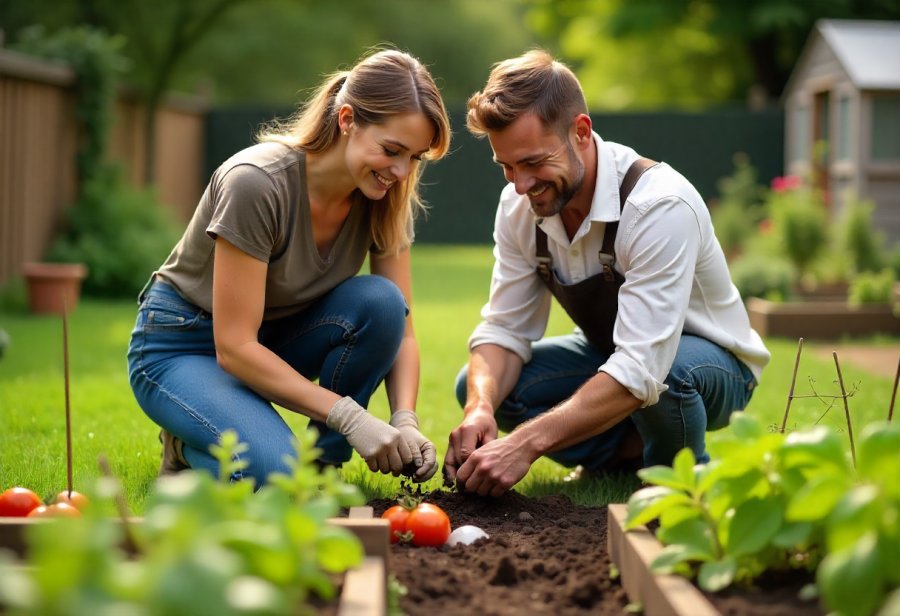
Working together in a garden offers more than just the satisfaction of seeing plants thrive; it cultivates deeper emotional bonds that can endure well beyond the last seed is sown. The shared effort—whether planting, watering, or tending—creates a space where patience, cooperation, and trust grow naturally. These quiet moments of collective care build a foundation for mutual support, fostering understanding and connection that strengthen relationships over time.
Gardening also imparts valuable lessons about resilience and patience. Watching plants develop slowly reminds us that meaningful relationships require time, consistency, and gentle effort. Facing setbacks like pests or unpredictable weather mirrors the challenges in any bond, encouraging empathy and perseverance. These shared experiences serve as subtle but powerful reminders that growth—whether in nature or in people—happens gradually and through ongoing nurturing.
The act of caring for life side by side encourages honest communication without forcing conversations. The relaxed outdoor environment makes it easier to listen, share, and be vulnerable, naturally deepening trust. As plants flourish through collective care, so do the emotional ties between those involved, rooted in shared purpose and patience. This quiet process of nurturing becomes a space where genuine connection can blossom without the need for words.
Beyond individual relationships, gardening can serve as a community builder. Shared spaces like neighborhood gardens or urban plots bring people together, fostering a sense of belonging and collective pride. These collaborative efforts demonstrate how outdoor acts of care and cooperation extend beyond the personal, creating broader networks of support and social cohesion. Participating in such projects reinforces that growth is a communal act rooted in shared commitment.
This ongoing journey of shared growth isn’t reserved for special occasions or grand projects. Small daily acts—watering plants, planting seasonal flowers, or harvesting vegetables—become meaningful routines that reinforce attentiveness and support. Over time, these simple gestures cultivate a quiet confidence in each other’s presence, subtly weaving stronger emotional ties into everyday life. It’s in these consistent acts that true bonds are quietly nurtured.
Integrating gardening into daily routines transforms it from a hobby into a deliberate act of relationship-building. It teaches patience, resilience, and teamwork—values that extend far beyond the garden bed. Whether tending indoor herbs or outdoor beds, these acts of care foster trust and understanding, creating a foundation for emotional growth. Each shared effort becomes a testament to the enduring power of kindness and attentiveness.
In the end, tending a garden together reminds us that connection, like growth, takes time and gentle persistence. It offers a peaceful yet powerful way to deepen bonds amidst the busyness of life. As we nurture plants, we also nurture patience, empathy, and love—elements essential to building lasting relationships. This simple act of shared care reveals that genuine bonds flourish when tended with consistent effort, patience, and heart.