In a world obsessed with external achievements, could true strength lie within? This exploration unveils the profound power of inner discipline as the foundation of authentic leadership, exemplified by Marcus Aurelius—Rome’s philosopher-king. Despite facing wars, plagues, and political upheaval, Marcus’s unwavering commitment to self-mastery and virtue reveals that genuine influence stems from internal resilience. His life challenges the notion that conquest and titles define greatness, instead highlighting that mastery over oneself fosters lasting authority and moral integrity. The practice of daily reflection, mindfulness, and emotional regulation emerges as vital tools for cultivating this inner strength. As future leaders navigate an increasingly complex landscape, the emphasis on self-awareness and resilience promises to become the new standard of true leadership. Why rely on fleeting external power when the deepest influence begins within? Marcus Aurelius’s legacy reminds us that lasting greatness is rooted in cultivating inner discipline—an enduring force that shapes not only leaders but the world itself.
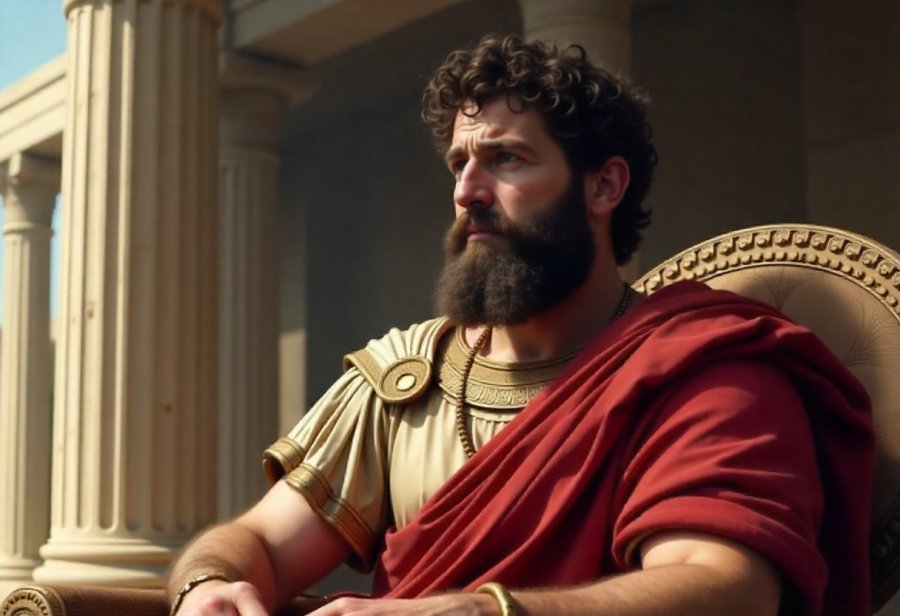
Unveiling Inner Discipline: The True Source of Leadership Power
Throughout history, society has tended to celebrate leaders for their visible achievements—military victories, territorial gains, or political influence. These outward signs of power are easy to recognize and often define a leader’s reputation. But beneath these displays lies a quieter, more enduring form of strength: inner discipline. This inner resilience isn’t as flashy, yet it forms the true foundation of genuine leadership. It’s about mastering oneself—controlling emotions, maintaining focus, and acting in line with higher principles—regardless of chaos or external pressures.
This internal strength acts as a mental armor, helping leaders stay steady amid turbulence. When someone cultivates resilience and self-control, they develop a core that can withstand setbacks, temptations, and crises. Leaders like Marcus Aurelius exemplified this idea. Despite facing wars, plagues, and political upheaval, he maintained a calm mind and a clear sense of duty. His writings, especially in Meditations, reveal a man committed to inner mastery—showing that true power isn’t just about titles or external conquests but about what happens within.
Focusing solely on external achievements risks overlooking the lasting value of inner discipline. External success can fade or be overshadowed over time, but the strength gained through self-control and resilience endures. When leaders develop this inner fortitude, they are better equipped to handle adversity and stay true to their principles, no matter how harsh circumstances become. Marcus Aurelius’s example demonstrates that lasting influence depends more on cultivating inner strength than on external accomplishments.
This perspective challenges the common idea that power comes from domination or conquest. Instead, it suggests that the deepest authority is rooted in understanding oneself and living with integrity. A leader who remains calm under pressure, resists impulsive reactions, and acts with virtue sets an example that inspires trust and respect. Marcus’s life shows us that true leadership begins within—when a person governs their own mind and heart, they create a stable foundation that can weather any storm.
Building inner discipline isn’t a one-time effort but a continuous journey. It involves daily habits like reflection, self-awareness, and intentional practice. Regular routines such as journaling or quiet reflection keep this inner resilience alive. Over time, these acts of self-control become second nature, making it easier to stay calm, make thoughtful decisions, and lead with clarity—even in the toughest moments. The true power of a leader lies not in external achievements but in the strength they cultivate within.
Marcus Aurelius and the Roman Empire: A Balance of Virtue and Resilience
Marcus Aurelius’s reign as Roman Emperor, from 161 to 180 AD, was marked by a delicate balance of external threats and internal challenges that tested his leadership and philosophical commitments. Unlike many rulers driven by expansion or conquest, Marcus prioritized wisdom and moral integrity. His ascent was carefully managed through adoption by Antoninus Pius, emphasizing virtue over raw power. This set a tone for his rule rooted in discipline, self-control, and inner strength.
Throughout his time in office, Marcus faced continuous military threats along the northern borders, especially against Germanic tribes. These conflicts stretched resources and demanded steady, strategic leadership. Yet, Marcus approached these military campaigns with resilience and a focus on defense rather than expansion. His leadership reflected a Stoic belief that true strength comes from inner resolve, not external conquests. This internal fortitude helped him maintain stability amid chaos.
The empire also grappled with crises such as outbreaks of plague and political unrest. Despite these hardships, Marcus remained calm and composed. His Stoic outlook encouraged viewing crises as opportunities for moral growth rather than sources of despair. Daily routines like reflection, journaling, and self-examination kept him centered, reinforcing that inner discipline was essential to effective leadership.
His philosophical outlook, shaped by Stoicism, holds that external events are beyond our control, but our reactions are within our power. This perspective is vividly captured in his Meditations, where he reflects on self-mastery and acting with virtue regardless of circumstances. His leadership was rooted in the understanding that inner resilience could guide decision-making and foster stability, even in turbulent times.
Beyond military and political duties, Marcus believed that a ruler’s true role was to embody moral virtue and serve as a moral example. His personal discipline, evident in daily reflection and self-awareness, helped him stay aligned with higher principles. These practices maintained his moral clarity, even amidst external pressures, guiding his actions and decisions.
Marcus Aurelius’s life and leadership demonstrate that genuine strength lies in inner resilience rather than external dominance. His ability to govern an expansive empire while adhering to Stoic virtues set a standard for leadership rooted in self-mastery. His legacy endures because he understood that lasting influence depends on cultivating inner strength that can withstand the upheavals of history.
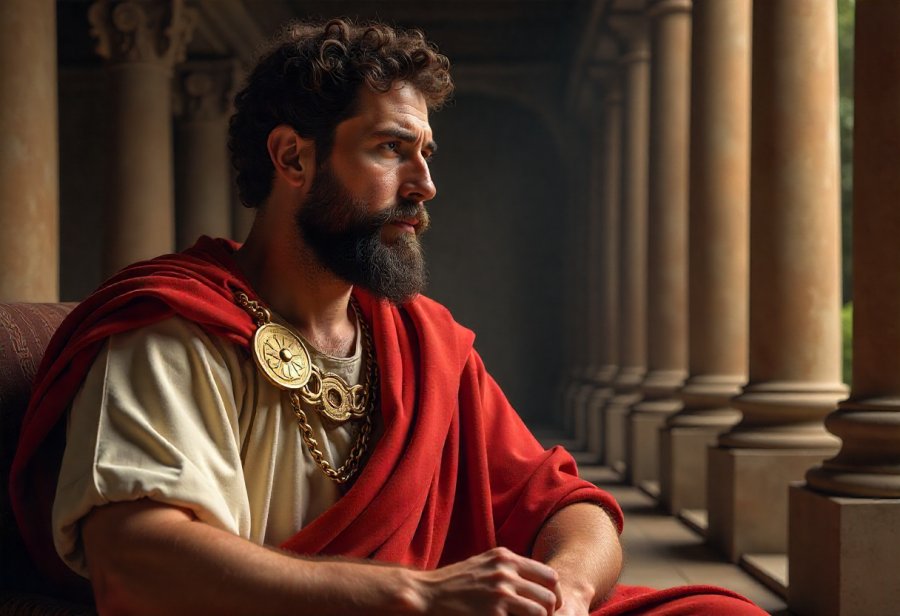
The Philosopher King: Wisdom as the Foundation of Lasting Authority
The idea of a philosopher king turns traditional notions of leadership on their head. Instead of ruling through force or territorial conquest, a true leader derives authority from wisdom, moral integrity, and self-mastery. Marcus Aurelius exemplifies this ideal perfectly. His leadership was driven not by ambitions to expand borders but by a deep commitment to justice, humility, and philosophical insight. His reign was rooted in the belief that genuine power comes from within, cultivated through inner discipline rather than external dominance.
A philosopher king prioritizes mastery over oneself above all else. They understand that real influence isn’t wielded through loud commands or military might but through patience, humility, and clarity of purpose. Marcus’s writings reveal that his greatest strength was his ability to remain calm amid chaos and to act with virtue, even when faced with adversity. His leadership was a reflection of inner resilience—an unwavering commitment to doing what is right, regardless of external pressures. This internal focus gave him authority rooted in moral example rather than fear or coercion.
This approach shifts the focus from external achievements to internal virtues. Wisdom, in this sense, isn’t just knowledge but the capacity to see beyond immediate circumstances and act in accordance with higher principles. A philosopher king recognizes that true influence flows from serving others with integrity and living consistently with moral ideals. When a leader governs themselves first, they set a moral standard that elevates everyone around them. Their authority stems from authenticity and the strength of character, not fleeting external victories.
Inner resilience and self-mastery form the foundation of sustainable influence. Leaders who cultivate these qualities can navigate chaos with steadiness and inspire trust through their example. Marcus’s daily routines of reflection and self-examination illustrate how consistent inner work builds moral clarity and calmness under pressure. Such discipline turns into a silent but powerful force—guiding decisions, shaping behavior, and fostering loyalty. This inner strength becomes the true mark of a leader whose authority endures far beyond transient external gains.
Marcus Aurelius’s life demonstrates that the deepest leadership authority arises from within. His example shows that wisdom and virtue are more enduring than conquest and that true power is rooted in understanding oneself. A philosopher king’s influence is sustained by moral integrity, not by the size of their armies or the extent of their territory. In a world obsessed with external success, his life reminds us that the most lasting leadership is built on the foundation of inner discipline—a timeless lesson for anyone aiming to lead with purpose and authenticity.
Cultivating Inner Discipline: Practical Steps to Strengthen Leadership and Life
Building inner discipline is a process rooted in daily habits and intentional effort. It’s not about quick fixes but about cultivating routines that reinforce focus, self-awareness, and resilience over time. Starting with simple practices like morning reflection or journaling helps clarify your intentions and set a purposeful tone for the day. Marcus Aurelius’s habit of writing in his Meditations exemplifies how regular self-examination keeps you aligned with your core values, strengthening your inner resilience against external chaos.
Mindfulness and meditation serve as powerful tools to develop this discipline. They teach you to pause before reacting, creating space for reasoned responses instead of impulsive reactions. By consciously managing your reactions, you build mental strength that supports calmness and clarity, especially during stressful moments. Setting clear, achievable goals provides a roadmap for consistent progress, transforming discipline from a fleeting effort into a steady, reliable part of your life.
Resilience also grows through managing your emotional responses. When frustration or anxiety arise, pausing and taking a deep breath can shift your perspective, allowing you to see obstacles as part of the growth process rather than insurmountable barriers. Over time, these small acts of self-control become automatic, fortifying your mind and making it easier to stay centered and make thoughtful decisions, regardless of external pressures.
Marcus Aurelius’s daily routines of reflection and self-awareness show how consistent inner work can cultivate strength. Dedicating time each day to examine motives and review actions helps maintain moral clarity and emotional stability. Developing habits like journaling or quiet reflection anchors your mind, making it more resilient and better equipped to act with integrity even in chaos. This ongoing practice transforms discipline from an effort into a second nature.
Persistence is key. Inner discipline isn’t built overnight but through sustained effort and habit formation. The more you practice self-awareness, mindfulness, and emotional regulation, the stronger your inner resilience becomes. Over time, these routines become seamless, empowering you to face challenges with calmness, make deliberate choices, and lead with clarity. Cultivating inner discipline isn’t just a personal benefit; it’s a foundational trait that shapes effective, resilient leadership in every aspect of life.
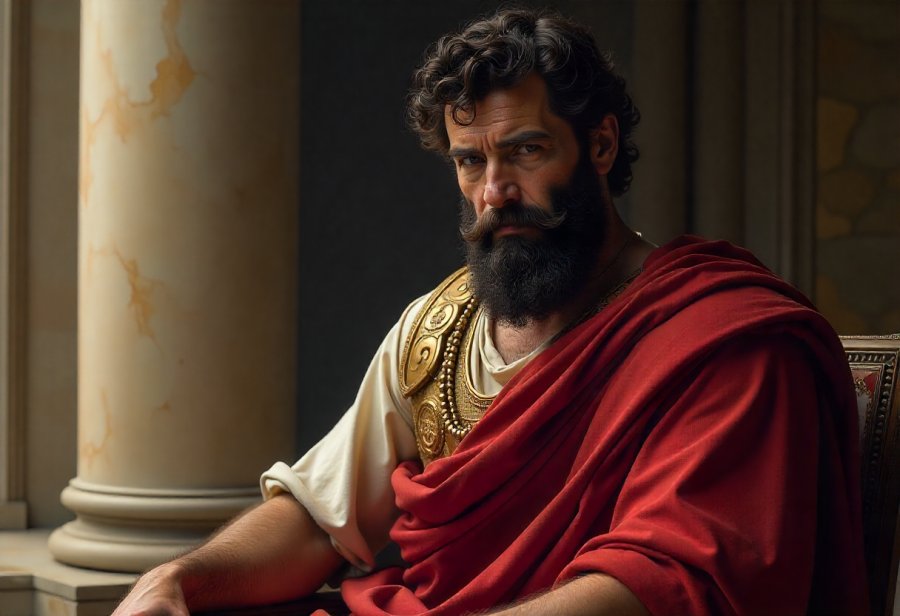
Future Leadership in Focus: The Growing Power of Inner Strength and Resilience
As the world continues to grow more complex and unpredictable, the importance of inner discipline in leadership is set to become even more vital. Future leaders will likely focus more on qualities like emotional intelligence, self-awareness, and philosophical insight—traits rooted in inner resilience—rather than relying solely on external achievements. In an era marked by rapid change and moral uncertainty, the ability to govern oneself with clarity and purpose will distinguish effective leaders from those simply chasing external validation.
This shift suggests that inner discipline will transform from a personal virtue into a strategic advantage. Organizations are increasingly recognizing that genuine leadership isn’t just about hitting targets but about fostering authentic connections and moral integrity. Resilience, patience, and self-control are now seen as core skills. Leaders who develop these qualities will be better equipped to stay calm under pressure, make thoughtful decisions, and inspire trust even in chaotic times. These traits will define the new standard for leadership success.
Training programs are already evolving to reflect this trend. Instead of focusing only on technical skills, future leadership development will incorporate practices like mindfulness, philosophical reflection, and emotional regulation. Just as physical fitness became central to athletic training, mental and emotional fortitude will become foundational. Developing inner discipline will help leaders remain centered, uphold their principles, and act with moral clarity, even when external circumstances are turbulent.
The enduring lessons from Marcus Aurelius’s life remain strikingly relevant. His daily routines of reflection and self-examination exemplify how consistent inner work builds resilience. As external pressures intensify—through technological advances, globalization, and societal shifts—inner strength will serve as a vital compass. Leaders who master their minds and emotions before influencing others will be better prepared to navigate ambiguity and uphold integrity in uncertain times.
Inner resilience will also play a key role in safeguarding leadership’s moral fabric. The distractions and noise of modern life threaten to pull leaders in conflicting directions, but those who cultivate inner discipline can act with steadiness and authenticity. This inward strength doesn’t require extraordinary talent; it demands persistent daily effort and intentional practice. Those who prioritize inner discipline will shape a more resilient, principled world, guiding with moral clarity rather than fleeting external successes.
Investing in inner discipline today creates a foundation for responsible, authentic leadership tomorrow. As the future unfolds, the leaders who understand that true influence begins within will shape a more stable and morally grounded society. The legacy of Marcus Aurelius reminds us that lasting leadership isn’t built on external triumphs but on the strength cultivated inside. Developing this resilience now ensures we’re prepared to meet upcoming challenges with wisdom, clarity, and purpose, leading not just with power, but with virtue.