




Uncover the astonishing strategies and relentless ambition that transformed Alexander the Great from a young prince into a legendary conqueror shaping ancient civilizations. His mastery of innovative battlefield tactics, psychological manipulation, and cultural diplomacy not only led to swift victories but also laid the foundation for enduring influence. How did his keen understanding of terrain, enemy psychology, and integration of diverse cultures redefine empire-building? This exploration reveals how his blend of military genius and visionary leadership offers timeless lessons in adaptability, influence, and resilience. Yet, his relentless overreach and the human toll behind his conquests serve as cautionary tales about the limits of ambition. As we navigate today’s complex world, what can leaders learn from Alexander’s legacy about balancing innovation, ethical considerations, and sustainable influence? His story continues to challenge and inspire, prompting us to reflect on the true essence of leadership and legacy across eras.

Discover the Charismatic Leader Who Reshaped the Ancient World
Alexander the Great stands as one of history’s most compelling figures, whose leadership and military genius continue to captivate scholars and enthusiasts alike. His extraordinary campaigns not only reshaped the ancient world but also laid the groundwork for cultural and political exchanges that resonate to this day. From his early years in Macedon, Alexander exhibited a rare combination of charisma, intellect, and strategic insight, qualities that would propel him toward unprecedented conquests. His ambitions stretched well beyond personal glory; they aimed at unifying diverse peoples under a single, expansive empire, blurring the boundaries between conquest and cultural integration.
What truly sets Alexander apart is the sophistication of his strategies—an intricate blend of innovation, adaptability, and psychological mastery. His approach to warfare often defied convention, favoring swift, decisive actions that exploited terrain, enemy weaknesses, and morale. His tactical innovations—such as the integration of cavalry with infantry in inventive formations—allowed him to outmaneuver foes much larger in numbers and more entrenched in their positions. These strategies, alongside his ability to inspire loyalty and maintain cohesion among his troops, created a momentum that carried his armies across vast and varied terrains, from the deserts of Persia to the mountains of India.
The environment into which Alexander stepped was one of both opportunity and peril. The Greek city-states, though often fractured by rivalries, shared a common language, religion, and cultural identity that provided a unifying backdrop. Meanwhile, the declining power of Persia, with its sprawling yet internally divided empire, presented a ripe target for conquest. Macedon itself had transformed from a peripheral kingdom into a formidable military entity under Philip II, Alexander’s father. This transformation was driven by reforms emphasizing discipline, mobility, and innovative tactics—elements Alexander would inherit and further refine. His rise was not merely a product of inherited power but the culmination of a strategic environment that rewarded agility, foresight, and the ability to capitalize on geopolitical shifts.
Educationally, Alexander’s upbringing was equally formative. Under Aristotle, he absorbed not only philosophy but also a broad spectrum of knowledge—rhetoric, ethics, natural sciences—that broadened his worldview. This education fostered a curiosity about different cultures and a recognition that empire-building involved more than military might; it required diplomacy, cultural sensitivity, and the forging of shared identities. This philosophical grounding influenced his later efforts to blend Greek customs with local traditions, founding cities that served as melting pots of influence and control. Such initiatives were as much about consolidating power as they were about shaping a legacy rooted in cultural fusion.
Early military experiences further cemented Alexander’s reputation as a leader of exceptional promise. Participating in his father’s campaigns, he observed firsthand the complexities of siege warfare, terrain exploitation, and troop morale. His acts of bravery in battle and his tactical experiments—such as rapid movement and psychological deception—began to distinguish him among his peers. These formative moments fostered a mindset that valued innovation and adaptability, qualities that would define his campaigns across Persia, Egypt, and India. His willingness to learn from both success and failure laid the foundation for the revolutionary strategies that would ultimately propel him into legendary status. In essence, Alexander’s early years were a crucible of education, experience, and ambition, shaping a leader poised to redefine the limits of conquest.
Unveiling the Early Influences That Forged Alexander’s Conquest Mindset
Alexander’s ascent to greatness was shaped by a confluence of early influences that left an indelible mark on his ambitions and tactical outlook. Born around 356 BCE in Pella, the Macedonian capital, he was immersed in a world where military innovation and political ambition ran deep. His father, King Philip II, had already transformed Macedonia from a peripheral kingdom into a formidable regional power through sweeping reforms in both military structure and diplomatic strategy. Watching Philip’s campaigns and reforms from a young age, Alexander internalized the importance of disciplined leadership, strategic flexibility, and the power of a unified command. These lessons became the backbone of his own approach to conquest and governance.
Equally formative was Alexander’s education under Aristotle, one of the greatest philosophers of the ancient world. Aristotle’s teachings extended far beyond philosophy, encompassing rhetoric, natural sciences, ethics, and an appreciation for diverse cultures. This broad intellectual foundation fostered in Alexander a curiosity about the wider world and a recognition that empire-building was not solely about military might but also about cultural exchange and diplomacy. Aristotle’s emphasis on moderation, harmony, and understanding different traditions influenced Alexander’s later efforts to blend Greek customs with local practices, laying the groundwork for a more integrated form of empire.
From a young age, Alexander demonstrated remarkable ambition and a natural flair for leadership. Participating in military campaigns as a teenager, he gained firsthand experience of the complexities of warfare—terrain challenges, troop morale, and logistical hurdles. His involvement in his father’s campaigns provided a practical education that complemented his scholarly studies. Acts of bravery and tactical insight began to distinguish him among his peers, foreshadowing the innovative leadership style he would later employ on a much larger scale. These early experiences reinforced his confidence and desire to surpass his father’s achievements, fueling a relentless drive toward unprecedented conquests.
The environment into which Alexander emerged was marked by both opportunity and fragmentation. The Greek city-states, though often embroiled in rivalries, shared a common language, religion, and cultural identity that provided a unifying backdrop. However, internal conflicts and political rivalries frequently hampered their collective strength, creating a strategic opening for Macedon under Philip II. Macedon’s transformation under Philip had been driven by military reforms emphasizing discipline, mobility, and innovative tactics—elements Alexander would inherit and refine further. His rise was not merely a matter of inherited power but also a product of a shifting geopolitical landscape that valued agility, foresight, and the ability to seize fleeting opportunities.
The waning power of Persia, with its vast yet internally divided empire, presented another crucial factor shaping Alexander’s ambitions. The Persian satrapies, sprawling and rich in resources, were ripe targets, but their internal divisions and administrative weaknesses made them vulnerable. Alexander recognized this geopolitical opportunity early and understood that conquest would require not only military prowess but also diplomatic finesse. His campaigns systematically exploited Persian vulnerabilities—timing, terrain, and internal dissent—allowing him to outmaneuver opponents who might have otherwise withstood a frontal assault. This keen sense of timing and strategic exploitation became hallmarks of his military approach.
Alexander’s early battlefield experiences further honed his tactical sensibilities. Participating directly in sieges and battles alongside his father, he observed the intricacies of battlefield logistics, terrain exploitation, and enemy psychology. His acts of bravery—often risking his own safety—coupled with his keen tactical mind, began to set him apart. He experimented with rapid movement, surprise attacks, and psychological deception—techniques that would become signature elements of his campaigns. These formative lessons cultivated a flexible approach to warfare, emphasizing swift, decisive action designed to outthink, outmaneuver, and demoralize the enemy.
His education under Aristotle also extended into understanding the importance of cultural diplomacy and integration. Aristotle’s teachings about the value of harmony, moderation, and respect for diverse traditions influenced Alexander’s approach to governance once he had achieved conquest. Instead of imposing Greek customs exclusively, he sought to blend traditions, founding cities like Alexandria as centers of cultural exchange. This strategy of embedding Greek influence within local contexts fostered loyalty and stability, demonstrating that empire-building could be achieved through influence and integration rather than solely through force.
In sum, Alexander’s early influences—his father’s military reforms, Aristotle’s philosophical teachings, firsthand battlefield experience, and the geopolitical landscape—formed a cohesive foundation for his legendary conquests. These elements nurtured a leader who combined confidence, curiosity, and strategic innovation. His upbringing emphasized discipline, intellectual breadth, and adaptability, equipping him to confront and master the challenges of empire-building. These formative years did not merely prepare him for military success; they fostered a mindset geared toward integration, cultural fusion, and visionary leadership—traits that would define his extraordinary legacy.

Analyzing the Tactical Genius That Continues to Inspire Modern Warfare
Alexander’s strategic brilliance is most vividly demonstrated through his mastery of complex battlefield tactics that consistently outflanked and overwhelmed numerically superior and entrenched enemies. His innovative use of combined arms—integrating cavalry and infantry in fluid, adaptable formations—enabled swift envelopment and surprise maneuvers that confounded traditional expectations. Archaeological findings and detailed accounts of his campaigns across Persia, Egypt, and Central Asia reveal a leader whose tactical decisions were rooted in a nuanced understanding of terrain, enemy psychology, and logistical realities. At Gaugamela, for instance, he deliberately chose an open plain where his cavalry could maneuver freely, deploying them on the flanks to threaten the Persian rear—a move that turned the battlefield into a chessboard of rapid, decisive actions. These maneuvers not only secured swift victories but also created a psychological edge, demoralizing foes long before the clash of weapons.
The influence of Alexander’s tactics extends beyond immediate military success; they laid the groundwork for future doctrines of warfare. His principles of rapid movement, surprise, and psychological manipulation revolutionized how armies approached combat in the ancient world and echo into modern strategic thinking. His deft use of deception—feigned retreats, feints, and calculated ambushes—demonstrates a keen understanding that controlling enemy perceptions can be as powerful as dominating the battlefield physically. His adaptability to diverse environments—mountain passes in India, desert landscapes in Persia, urban sieges in Egypt—illustrates a flexibility that surpassed many of his contemporaries. This tactical versatility allowed him to exploit environmental vulnerabilities, turning obstacles into strategic opportunities, and maintaining the initiative across a vast and varied terrain.
But Alexander’s strategic innovation was not solely about battlefield maneuvering; it also involved shaping the social and political landscape of conquered territories. His founding of cities such as Alexandria was a deliberate act of embedding Greek influence within local contexts—centers of cultural fusion, economic activity, and political control. These cities served as anchors for Hellenistic culture and as gateways for sustaining influence far beyond the battlefield. By integrating military conquest with cultural diplomacy, Alexander fostered a sense of shared identity among diverse populations, reducing resistance and promoting stability. Material remnants—ruins of these cities, inscriptions, and artifacts—attest to how he transformed military victory into enduring influence, embedding his empire within the fabric of local societies.
However, the very brilliance of Alexander’s strategies was accompanied by inherent limitations. His relentless pursuit of rapid expansion often stretched logistical capacities and morale, highlighting the perils of overreach. The campaigns in India, though tactically successful, exacted a heavy toll on his forces and exposed the vulnerabilities of overextension. Historians continue to debate whether his aggressive tactics, while effective in the short term, undermined the sustainability of his empire by leaving it overextended and difficult to govern after his death. This overambition underscores a fundamental tension in military strategy: the balance between swift conquest and long-term stability. Alexander’s overreach serves as a cautionary tale about the limits of even the most innovative tactics when applied without sufficient regard for the broader administrative and logistical framework.
Ethical dimensions also shadow Alexander’s military innovations. His methods—brutal sieges, forced marches, suppression of resistance—embody the harsh realities of ancient warfare but also raise profound questions about morality and legitimacy. The archaeological layers of destruction and the displacement of populations in regions he conquered offer stark reminders of the human toll behind his swift victories. These costs complicate the narrative of his strategic genius, reminding us that beneath the veneer of brilliance lies a leader whose methods often involved significant violence. Modern interpretations challenge us to weigh the effectiveness of his tactics against their human costs, recognizing that strategic innovation in warfare is rarely without ethical consequences.
Despite these complexities, the core of Alexander’s legacy remains his unparalleled ability to innovate under pressure. His tactical flexibility—adapting to terrain, enemy tactics, and shifting circumstances—demonstrates that true leadership requires continuous learning and the willingness to revise one’s approach. Today’s military and organizational leaders can draw inspiration from his readiness to experiment and pivot, especially in unpredictable environments. His example underscores that effective leadership hinges not merely on rigid plans but on the capacity to respond dynamically to new challenges, turning potential setbacks into opportunities for decisive action. This mindset of agility and resilience is perhaps his most enduring contribution to strategic thought.
In sum, Alexander’s strategic legacy is a testament to the power of innovation, psychological insight, and cultural sensitivity. His ability to blend military ingenuity with diplomatic finesse created a leadership model that extended beyond conquest to establish lasting influence. His campaigns demonstrate that success demands more than brute force; it requires understanding human motivations, exploiting environmental vulnerabilities, and fostering loyalty through shared purpose. While his overambitious pursuits sometimes strained his empire’s foundations, his principles of adaptability and influence remain relevant today. Leaders who internalize these lessons—balancing boldness with prudence, innovation with ethics—find in Alexander a timeless exemplar of visionary leadership that continues to shape concepts of power and influence across the ages.
Applying Ancient Strategies to Today’s Leadership and Military Challenges
Alexander’s strategies, though rooted in ancient warfare, continue to offer a wealth of lessons for modern leadership and military planning. Central among these is the enduring value of adaptability. In today’s unpredictable global landscape, the capacity to reassess and pivot quickly often determines success. Alexander exemplified this through his ability to modify tactics in response to terrain, enemy tactics, and shifting circumstances. Leaders today benefit from cultivating a mindset that prizes flexibility—embracing innovation and responsiveness over rigid plans. Such agility transforms setbacks into opportunities, allowing organizations to stay ahead in complex environments.
Psychological influence played a pivotal role in Alexander’s campaigns and remains profoundly relevant. He understood that shaping perceptions and inspiring loyalty could be as powerful as battlefield victories. His charismatic leadership, clear messaging, and strategic symbolism motivated troops and allies alike. Modern leaders—whether in military, political, or organizational contexts—can learn from this by recognizing that motivating teams and managing perceptions are crucial for achieving strategic goals. Building trust through authentic communication and fostering a shared sense of purpose can amplify tangible efforts, creating a cohesive front that is resilient under pressure.
The emphasis Alexander placed on rapid, decisive action underscores a universal principle: in many modern scenarios, hesitation is a costly luxury. His campaigns demonstrated that timely decisions and swift mobilization can seize fleeting opportunities and maintain momentum. Today’s fast-paced environments—ranging from crisis response to corporate competition—demand a similar readiness to act boldly and confidently. Cultivating a culture that values courage, clarity, and resilience ensures teams can respond effectively to unforeseen challenges, turning uncertainty into a strategic advantage.
Alexander’s approach to cultural integration and diplomacy offers another critical lesson. He recognized that sustainable influence depended on more than military conquest; it required respecting local traditions and fostering genuine partnerships. His founding of cities like Alexandria served as hubs of cultural fusion, promoting stability and loyalty among diverse populations. Modern leadership in an interconnected world benefits from this model. Prioritizing inclusivity, respecting local customs, and collaborating across cultural boundaries create bonds of trust that endure long after the initial conquest or negotiation. Influence rooted in mutual understanding is often more resilient than dominance imposed from above.
Efficiency and innovation in logistics were vital to Alexander’s success, and these principles remain central today. His ability to supply and move armies across vast and varied terrains without losing momentum exemplifies the importance of meticulous planning and resource management. Modern military and organizational leaders must similarly prioritize logistical resilience. Supply chain flexibility, resource allocation, and anticipatory planning are not merely technical details but foundational to maintaining operational tempo and morale. Alexander’s example underscores that strategic agility extends beyond tactics into the realm of logistical mastery.
Furthermore, Alexander’s campaigns highlight the importance of fostering a shared purpose within diverse teams. His leadership galvanized soldiers through compelling narratives, shared goals, and a vision of greatness that transcended individual loyalties. Contemporary leaders can draw from this by emphasizing purpose-driven motivation, aligning individual aspirations with broader organizational missions. Cultivating a sense of belonging and shared identity enhances cohesion, especially in multicultural or multifaceted teams. When individuals believe in a common cause, their collective effort becomes greater than the sum of its parts.
The ethical dimensions of Alexander’s strategies also merit reflection. His methods—ruthless sieges, forced marches, suppression—embody the brutal realities of ancient warfare. Modern leadership, however, must weigh effectiveness against morality. While decisiveness and innovation are vital, they cannot justify actions that undermine trust or human rights. The human costs of rapid expansion serve as stark reminders that sustainable influence depends on balancing strategic gains with ethical considerations. Leaders today are tasked with adapting Alexander’s principles—such as decisiveness and influence—within frameworks that respect human dignity and promote long-term stability.
Finally, Alexander’s legacy as an innovative and adaptable leader offers a timeless blueprint. His willingness to experiment, learn from failures, and continuously refine his approach exemplifies the essence of effective leadership. In an era characterized by rapid change and complex challenges, the courage to challenge conventions and pursue new strategies remains vital. Leaders who internalize this mindset—embracing innovation, fostering resilience, and prioritizing cultural intelligence—are better equipped to shape the future. Alexander’s example reminds us that strategic agility and authentic influence are not merely tactics of conquest but enduring principles of visionary leadership.
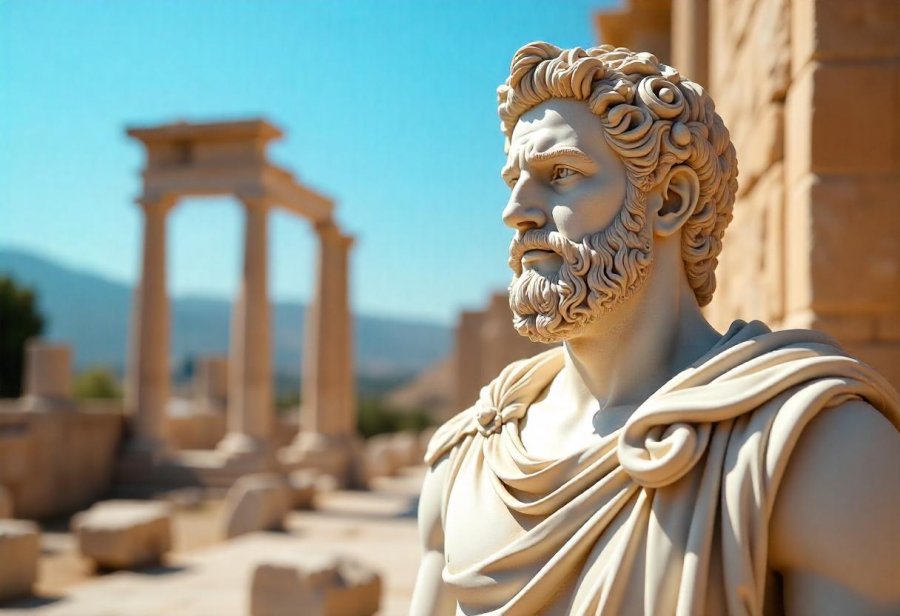
Reflecting on Alexander’s Enduring Legacy and Future Leadership Lessons
The legacy of Alexander the Great endures because his strategies exemplify principles that remain strikingly relevant in today’s complex, interconnected world. His ability to blend military innovation with cultural diplomacy created a leadership model rooted not solely in conquest but in establishing sustainable influence. This combination—bold strategic vision paired with a nuanced understanding of human and cultural dynamics—continues to shape leadership paradigms across military, political, and organizational spheres. Modern leaders can draw inspiration from how Alexander’s emphasis on adaptability, psychological insight, and cultural engagement fostered loyalty and stability within a diverse empire. These lessons transcend time and circumstance, offering timeless guidance.
Central to his lasting influence is the relentless pursuit of innovation. Alexander’s tactical flexibility—adapting battlefield tactics to terrain, enemy capabilities, and shifting conditions—demonstrates that effective leadership demands continuous learning and willingness to revise strategies. Today’s geopolitical, economic, and organizational landscapes are equally unpredictable, requiring leaders to embrace experimentation and agility. Those who cultivate a mindset of responsiveness, who are unafraid to challenge convention and experiment boldly, find that obstacles become opportunities for growth. His example underscores that success often hinges on the courage to break from tradition and view uncertainty as a space for innovation rather than risk.
The mastery of influence and morale, vividly exemplified by Alexander, remains a cornerstone of effective leadership. His ability to inspire loyalty, craft compelling narratives, and leverage symbols and propaganda created a psychological environment conducive to victory. In contemporary contexts—whether in diplomacy, corporate management, or social movements—the power of perception and motivation is as vital as tangible resources. Leaders who understand how to build trust, communicate a shared purpose, and foster a sense of belonging can amplify their impact dramatically. Authenticity and cultural sensitivity in influence strategies serve as the foundation for enduring bonds and collective resilience.
Cultural integration and diplomacy stand out as equally vital components of Alexander’s approach. His efforts to fuse Greek traditions with the customs of conquered peoples fostered stability and allegiance beyond mere military dominance. In today’s globalized environment, this lesson remains crucial. Building bridges across differences, respecting local traditions, and fostering genuine collaborations create bonds that endure long after the initial conquest or agreement. Influence rooted in mutual understanding and shared values tends to be more resilient and sustainable than dominance imposed from above. Future leaders who prioritize inclusion and cultural intelligence will find these principles vital in shaping long-term stability and trust.
Beyond tactics and influence, Alexander’s campaigns highlight the importance of logistical mastery and strategic resilience. His capacity to supply and move armies across vast, diverse terrains without losing momentum exemplifies meticulous planning and resourcefulness. In modern military operations, corporate supply chains, or large-scale projects, logistical resilience often determines success. Leaders must anticipate complexities, adapt resource management, and maintain operational tempo under pressure. Alexander’s example reminds us that innovation in logistics is just as critical as battlefield ingenuity. Mastering these elements ensures that strategic visions are not merely aspirational but achievable, even in the face of formidable challenges.
Finally, reflecting on Alexander’s life invites a nuanced appreciation for the delicate balance between ambition and sustainability. His relentless drive for expansion demonstrated extraordinary vision and daring, yet it also exposed the perils of overreach and overextension. Modern leadership must learn to temper boldness with prudence, aligning strategic ambition with long-term stability and ethical responsibility. His campaigns serve as a reminder that innovation and decisiveness are powerful tools, but they require careful calibration within a framework that respects human costs and fosters resilient institutions. Leaders who internalize this balance will be better equipped to shape history in ways that are not only impactful but also sustainable and morally grounded.
In sum, Alexander’s strategies—marked by innovation, influence, cultural sensitivity, and logistical resilience—offer a timeless blueprint for leadership. His example demonstrates that true influence arises from a combination of tactical agility, psychological mastery, and cultural awareness. These principles, when applied thoughtfully, can guide contemporary leaders through the complexities of a rapidly changing world. The enduring relevance of his legacy underscores that visionary leadership is not solely about conquest but about inspiring loyalty, fostering trust, and creating lasting impact. Embracing these lessons paves the way for shaping a future where influence is sustainable, adaptable, and rooted in a profound understanding of human and cultural dynamics.