




Cleopatra VII is often remembered for her allure and romance, but her true legacy lies in her sharp intellect, diplomatic mastery, and resilience. This portrayal challenges the myth of her as merely a seductress, revealing her as a formidable scholar-queen who navigated the turbulent political waters of ancient Egypt and Rome with strategic finesse. Fluent in multiple languages and a patron of Alexandria’s legendary library, Cleopatra’s leadership was rooted in knowledge, cultural diplomacy, and adaptability—traits inherited from her Macedonian ancestors yet deeply embedded in Egyptian traditions. Her ability to blend religious authority with political savvy allowed her to forge vital alliances and maintain Egypt’s independence amidst external threats. What if her enduring influence was not her beauty, but her mastery of the mind and spirit? This captivating exploration highlights her as a visionary leader whose intelligence, resilience, and cultural insight continue to inspire long after her reign.
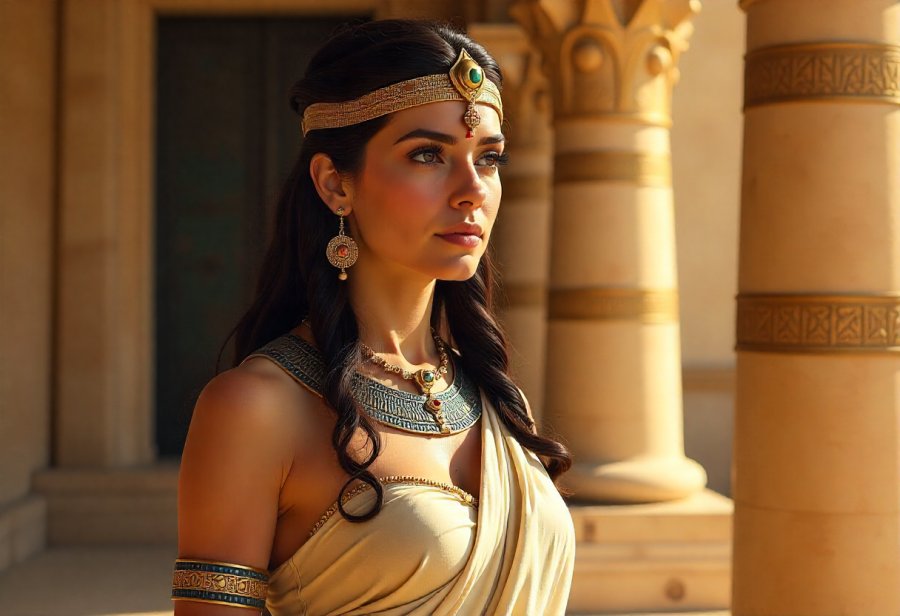
Unveiling Cleopatra: The Mind Behind the Myth
Cleopatra VII is often remembered as one of history’s most intriguing figures, but her true strength went far beyond her beauty or romantic liaisons. She was a highly intelligent and strategic leader who combined sharp political acumen with a deep passion for scholarship. As the last active pharaoh of Egypt, Cleopatra’s reign was defined by her ability to navigate the complex and often dangerous political landscape of the ancient world, all while striving to preserve her kingdom’s independence. Her legacy challenges the popular image of her as a seductress, revealing instead a ruler whose power lay in her mind and mastery of diplomacy.
Many overlook how deeply her leadership was rooted in her intellect. Cleopatra was a master diplomat, fluent in multiple languages including Egyptian, Greek, Latin, and Aramaic. This multilingual skill allowed her to communicate directly with diverse cultures and forge vital alliances, making her a formidable force in international politics. Her ability to understand and leverage cultural differences gave her an edge in negotiations and diplomatic strategy, often turning potential enemies into allies.
Her education and scholarly pursuits were central to her leadership style. Cleopatra was well-versed in philosophy, science, and literature, and she fostered an environment of learning in Alexandria. The legendary Library of Alexandria, which she patronized, was not just a repository of texts but a symbol of her dedication to knowledge and intellectual growth. Her personal curiosity and love for learning influenced her decisions and helped her stay resilient amid external threats.
In her era, leadership was not just about wielding authority but embodying the divine right to rule while maintaining cultural and religious legitimacy. Cleopatra understood this well, often portraying herself as a living goddess who embodied Ma’at—the Egyptian principle of truth and balance. She used religious symbolism and traditional titles to reinforce her divine authority, blending her Macedonian heritage with native Egyptian customs to appeal to her diverse subjects.
Her political strategy was rooted in resilience and adaptability. Cleopatra formed strategic marriages and alliances, notably with Julius Caesar and Mark Antony, to strengthen Egypt’s position and fend off external pressures. She was cautious in military matters but was resolute in defending her kingdom’s sovereignty. Her ability to turn threats into opportunities, supported by her sharp mind and cultural diplomacy, exemplifies her mastery of statecraft.
What truly set Cleopatra apart was how she drew on her Macedonian heritage of strategic thinking and resilience. Her ancestors, including Alexander the Great, were known for their bold military campaigns and shrewd diplomacy. Cleopatra inherited and refined these traits, leading Egypt with a blend of innovation, resilience, and political savvy. This legacy of leadership was passed down through generations, shaping her approach to governance and diplomacy.
Ultimately, Cleopatra’s leadership was rooted in her exceptional intellect and resilience. She was a ruler who understood that true power comes from knowledge, cultural understanding, and strategic foresight. Her ability to adapt, to learn continuously, and to navigate complex political waters made her a formidable figure—one whose influence endure not because of her appearance but because of her sharp mind and leadership skills. Recognizing her as a scholar-queen offers a more complete and inspiring view of her legacy.
Cultural Crossroads: Egypt’s Greek Heritage and Political Landscape
After Alexander the Great’s conquest in 332 BCE, Egypt’s political landscape shifted dramatically. Although the country retained its cultural and religious traditions, it fell under Macedonian Greek control, establishing the Ptolemaic dynasty. Founded by Ptolemy I, one of Alexander’s generals, this ruling lineage blended Greek political customs with Egypt’s ancient religious practices. This fusion created a unique cultural environment where Greek and Egyptian elements coexisted, shaping the way Egypt was governed and perceived.
Cleopatra’s Macedonian heritage gave her a strategic advantage rooted in her ancestors’ reputation for bold military campaigns and shrewd diplomacy. Yet, her leadership was deeply tied to Egypt’s traditions. She mastered the art of balancing her Greek origins with native Egyptian religious and cultural symbols, often portraying herself as both a Greek monarch and a divine Egyptian pharaoh. This dual identity allowed her to connect with a diverse population that valued both Greek intellectual achievements and Egyptian spiritual authority.
The political climate of her time was fraught with external threats, especially from the rising power of Rome. As Rome expanded its influence across the Mediterranean, Egypt’s independence faced increasing pressure. Cleopatra’s predecessors had relied on alliances, military strength, and diplomatic finesse to maintain their sovereignty, but her era demanded even greater skill. Her ability to navigate this shifting landscape was rooted in her inherited resilience, as well as her understanding of both Greek and Egyptian worlds.
Alexandria, her capital, stood as a symbol of learning and cultural exchange. The legendary Library of Alexandria, which she patronized, was more than just a collection of texts—it was a hub for scholars, scientists, and thinkers from across the Mediterranean. Cleopatra’s fluency in Egyptian, Greek, Latin, and Aramaic played a vital role in her diplomatic efforts, enabling her to communicate directly with diverse allies and rivals alike, fostering alliances that transcended language barriers.
Understanding Cleopatra’s era reveals how her leadership was shaped by a complex interplay of inherited resilience, cultural diplomacy, and scholarly pursuit. Her Macedonian roots provided her with a strategic mindset, but her success depended equally on her ability to embody Egyptian religious authority and adapt to her diverse subjects’ expectations. She skillfully merged military, political, and cultural strategies—an approach that allowed her to not only survive but thrive amid external pressures and internal challenges.
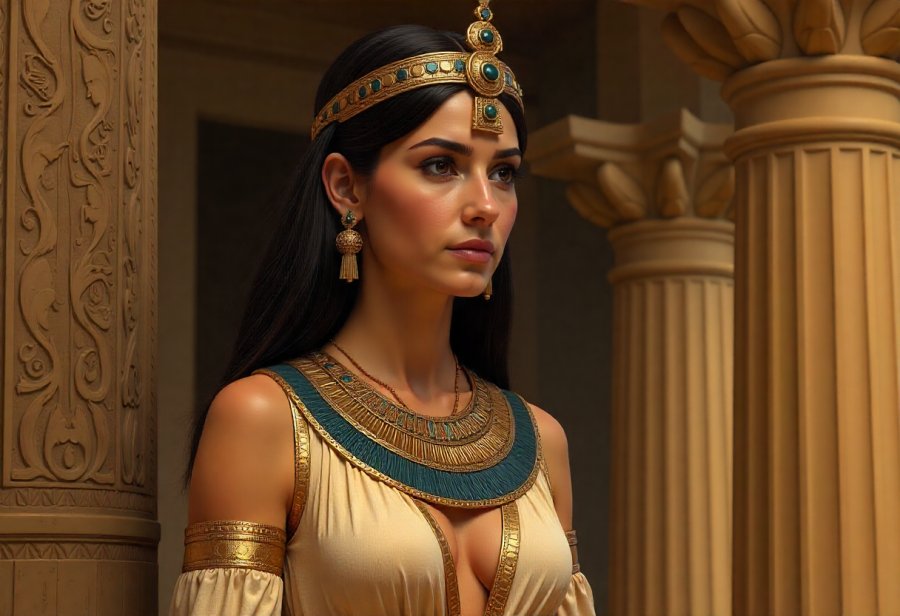
Strategic Leadership and Intellectual Legacy of Cleopatra
Cleopatra’s leadership was defined by a blend of sharp intelligence, strategic agility, and cultural sensitivity that set her apart from many rulers of her time. Her ability to adapt swiftly to shifting political landscapes allowed her to turn potential crises into opportunities, strengthening Egypt’s sovereignty amid external threats. Her decisions were rooted in critical thinking and deep understanding, often balancing military caution with bold diplomacy, showcasing a leader who prioritized long-term stability over short-term gains.
Her reputation as a scholar and thinker went beyond mere titles—her multilingual skills and her patronage of Alexandria’s legendary library exemplified her commitment to knowledge. Cleopatra understood that wisdom and learning were powerful tools for diplomacy and internal cohesion. By fostering an environment of intellectual curiosity and cultural exchange, she reinforced her authority and built bridges across diverse communities, demonstrating that leadership rooted in knowledge can create lasting influence.
Cultural and religious symbolism played a vital role in her legitimacy. Cleopatra masterfully embodied the divine authority of the Egyptian pharaoh while integrating Greek traditions, using religious titles and rituals to solidify her position. This duality allowed her to connect with her subjects on a spiritual level, maintaining loyalty across a broad social spectrum. Her ability to blend these elements created a resilient political persona—one that could navigate internal diversity and external pressures alike.
Drawing on her Macedonian inheritance of resilience and boldness, Cleopatra refined these traits with nuance and cultural awareness. Her ancestors, like Alexander the Great, exemplified bold military campaigns and shrewd diplomacy, lessons she adapted with sophistication. Her leadership was a careful synthesis of innovation, resilience, and cultural diplomacy, enabling her to withstand external threats and internal dissent with a calm, strategic focus.
Cleopatra’s legacy underscores the importance of intellectual vitality and cultural agility in leadership. Her ability to assess each situation with clarity, communicate effectively across cultures, and remain resilient in adversity offers timeless lessons. Her life proves that true influence depends not just on appearance or charm but on the depth of understanding, strategic foresight, and the capacity to adapt—qualities that continue to inspire leaders today.
Applying Cleopatra’s Timeless Leadership Lessons Today
Cleopatra’s leadership lessons remain surprisingly relevant for today’s complex social, political, and business environments. Her ability to assess situations thoughtfully and forge alliances across different cultures offers a valuable blueprint for modern decision-makers. Instead of rushing into actions based on impulse, adopting her approach of careful analysis and long-term planning can lead to more effective and sustainable outcomes. Whether in politics, corporate strategy, or community leadership, prioritizing strategic thinking helps create stability amid uncertainty.
Resilience is another key takeaway from her story. Cleopatra faced external threats, internal dissent, and shifting alliances, yet she consistently remained adaptable. She turned obstacles into opportunities, showing that staying calm under pressure and viewing setbacks as growth moments is vital. This mindset of flexibility and learning from adversity is crucial today, as rapid change and unforeseen challenges are the norm.
Her dedication to knowledge and continuous learning also offers timeless guidance. Cleopatra’s patronage of Alexandria’s legendary library and her multilingual abilities highlight the importance of staying curious and informed. Modern leaders can emulate this by seeking diverse perspectives, expanding their expertise, and remaining open to new ideas. A mindset rooted in lifelong learning not only fosters innovation but also enhances the ability to anticipate and respond to emerging trends.
Cultural awareness played a significant role in Cleopatra’s success, and it continues to be essential. She understood how to blend Egyptian religious traditions with Greek customs, using symbols and diplomacy to foster loyalty and trust. Today’s globalized world demands that leaders respect and adapt to different cultural norms. Listening actively, showing genuine understanding, and embracing diversity can build stronger alliances and create inclusive environments that resonate across borders.
Effective communication was central to Cleopatra’s leadership. She knew how to craft messages tailored to different audiences, using religious and cultural symbols to reinforce her authority. Modern leaders can learn from her example by honing emotional intelligence and developing authentic, relatable messages. Clear, empathetic communication builds trust and loyalty, even in divided or complex settings, ensuring that leadership remains credible and impactful.
Applying Cleopatra’s principles of strategic thinking, resilience, continuous learning, cultural sensitivity, and authentic communication can transform how leaders navigate today’s challenges. Her legacy reminds us that true influence depends on the depth of understanding and the ability to adapt thoughtfully. Embracing these lessons encourages a leadership style rooted in wisdom and resilience, qualities that stand the test of time and inspire enduring impact.

Final Reflections: The Enduring Power of Wisdom and Resilience
Cleopatra’s legacy extends far beyond her reputation as a glamorous seductress or a mythic figure of beauty. Her true strength lay in her sharp intellect, resilience, and strategic mind—traits that allowed her to lead Egypt through turbulent times. She understood that real influence derives from knowledge, cultural diplomacy, and the ability to adapt to ever-changing circumstances. These qualities made her a formidable ruler whose impact endures, long after the sands of her era have settled.
Her mastery of multiple languages and her patronage of Alexandria’s legendary library exemplify her commitment to continuous learning. These pursuits fueled her diplomatic finesse and decision-making, enabling her to forge alliances, manage internal dissent, and withstand external threats with confidence. Cleopatra’s example reminds us that power rooted in understanding and resilience is far more enduring than superficial charm or fleeting fame.
A key lesson from her story is that leadership built on cultural awareness and a thirst for knowledge creates lasting influence. By blending Egyptian religious traditions with Greek customs, she crafted a unique authority that resonated across diverse communities. Her inherited resilience from Macedonian ancestors like Alexander the Great was refined through her nuanced approach to governance—showing that innovation combined with cultural sensitivity can sustain a leader in even the most challenging environments.
Her life demonstrates that strategic foresight and emotional intelligence are vital to lasting influence. Cleopatra carefully assessed each situation, weighing options and acting with purpose. Her pragmatic approach prioritized Egypt’s independence while turning threats into opportunities. Her resilience in the face of overwhelming external forces proves that adaptable, thoughtful leadership can transcend time and circumstance.
This deeper understanding of Cleopatra’s leadership underscores that true influence is rooted in wisdom, resilience, and cultural insight. Her ability to synthesize diverse elements into a cohesive, resilient approach offers timeless lessons. Whether in personal pursuits or professional endeavors, cultivating these qualities can foster meaningful growth and enduring impact.
Her story inspires us to see beyond surface appearances and recognize the profound strength of the mind. Cleopatra’s life exemplifies how resilience, continuous learning, and strategic thinking form the foundation of genuine leadership—qualities that remain relevant today. Embracing her example encourages us to value depth over superficiality and to develop the wisdom necessary to make a lasting difference.