Nylon is an everyday marvel, woven into our clothing, carpets, and outdoor gear, offering unmatched durability and affordability. But beneath its practical facade lies a complex web of environmental costs rooted in fossil fuel extraction and chemical manufacturing processes that emit potent greenhouse gases and toxic byproducts. This reliance on petrochemicals fuels climate change, pollutes ecosystems, and creates long-lasting waste—microfibers shed during washing contaminate waterways, and nylon’s durability means centuries of landfill accumulation. As consumers grow increasingly aware, the question emerges: can we reconcile nylon’s convenience with the urgent need for sustainability? Innovations like recycled and biodegradable alternatives offer hope, yet the widespread dependence persists. This stark contrast between utility and environmental impact urges a reevaluation of our choices—are we willing to pay the true price for the convenience of nylon, or will we shift towards greener solutions for a healthier planet?

Unveiling Nylon’s Hidden Environmental Impact
Nylon is a material that quietly influences many aspects of our daily routines, often without us realizing its presence. From the stretchy leggings we wear during workouts to the durable carpets under our feet, nylon’s versatility and strength have made it a staple in countless products. Its ability to combine durability with affordability has helped shape modern lifestyles, making it an essential component in homes, clothing, and industry. Yet, behind this widespread utility lies a complex story of environmental impact that deserves closer attention.
The journey of nylon begins with its roots in petrochemicals—fossil fuels that have driven industrial growth for decades. Extracting oil involves drilling into the earth, a process that can disturb ecosystems, cause habitat loss, and sometimes lead to spills that pollute land and water. Once obtained, the crude oil is refined into various chemicals necessary for nylon production, such as hexamethylenediamine and adipic acid. These chemicals are created through energy-intensive reactions, often involving toxic substances, which amplify environmental concerns from the very start of nylon’s lifecycle.
Producing nylon’s chemical building blocks is an energy-heavy process. The synthesis of adipic acid, for example, releases nitrous oxide, a greenhouse gas far more potent than carbon dioxide. Similarly, the production of hexamethylenediamine involves high-temperature chemical reactions powered mainly by burning fossil fuels. This dependence on energy derived from oil and gas not only consumes finite resources but also contributes substantially to greenhouse gas emissions, linking nylon’s manufacturing process directly to climate change.
Once these chemicals are in hand, they undergo polymerization—a process where they are linked together to form long nylon chains. This process, called condensation polymerization, releases water molecules as byproducts. The resulting nylon polymer is then melted and spun into fibers through extrusion, a technique that requires intense heat and specialized equipment. Every step, from melting to spinning and cooling, consumes energy and generates waste. Manufacturing facilities must carefully control emissions to prevent pollution, but lapses can lead to chemical runoff and air pollution, affecting nearby ecosystems and communities.
Even after leaving factories, nylon’s environmental footprint persists. Its durability means it takes hundreds of years to decompose in landfills, accumulating as long-lasting waste that pollutes landscapes and waterways. Microfibers shed from nylon clothing during washing are tiny plastic particles that enter waterways, contributing to the global microplastic crisis. Marine life ingests these microplastics, which can then enter the human food chain, raising concerns about health and ecological impacts. Recognizing these intertwined issues highlights the urgent need to explore sustainable alternatives—like recycled nylon or biodegradable fabrics—that can serve the same functions with a lighter environmental touch. Understanding nylon’s story from source to disposal reveals a product deeply embedded in fossil fuel dependence and environmental degradation, urging us to rethink the true cost of the convenience it offers.
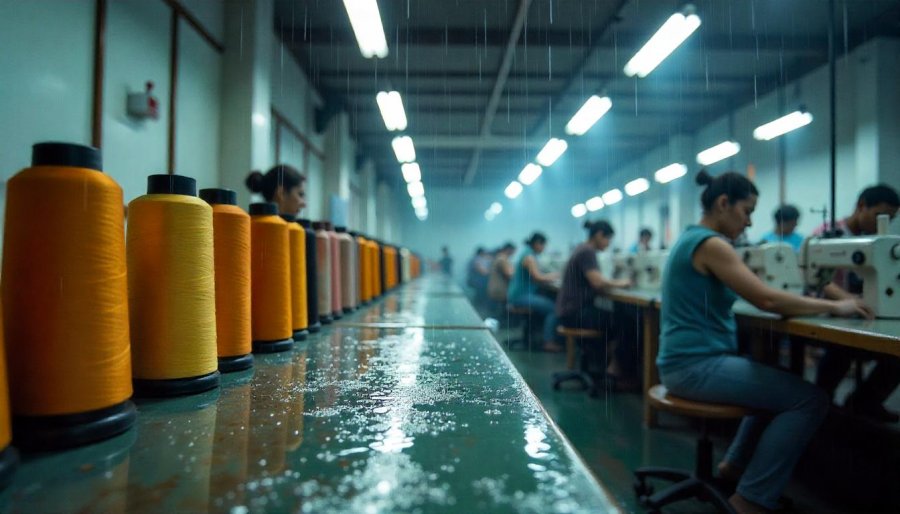
The Chemical and Industrial Roots of Nylon Production
Nylon production begins with a heavy reliance on fossil fuels, primarily petroleum, which serves as the raw material for its chemical components. Extracting crude oil from underground reservoirs involves drilling into the earth, a process that can cause habitat disruption, land degradation, and in some cases, oil spills that pollute local ecosystems. Once removed, the crude oil undergoes refining to separate hydrocarbons and produce the petrochemicals essential for nylon manufacturing. The key ingredients—hexamethylenediamine (HMD) and adipic acid—are created through complex chemical reactions that demand significant energy and often involve toxic substances, adding to environmental concerns from the outset.
Producing these chemicals is an energy-intensive process. The synthesis of adipic acid, for example, releases nitrous oxide, a greenhouse gas far more potent than carbon dioxide. This reaction typically involves high-temperature reactions powered by burning fossil fuels, which not only consumes large amounts of energy but also results in greenhouse gas emissions that contribute to climate change. Similarly, the production of HMD requires chemical reactions at elevated temperatures, relying on fossil fuel combustion to generate the necessary heat. These processes exemplify how nylon’s roots in petrochemicals are deeply intertwined with environmental degradation, starting right from chemical synthesis.
Once the raw chemicals are prepared, they undergo polymerization to form nylon. This process, known as condensation polymerization, involves linking HMD and adipic acid molecules together, with water molecules released as byproducts. The resulting long chains of nylon polymer are then melted into a viscous liquid. This molten material is extruded through tiny holes—an operation called spinning—to create fine fibers. This step demands precise temperature control and specialized equipment, with each stage consuming energy and generating waste. Managing emissions and waste is crucial, but often challenging, and lapses can lead to chemical runoff or air pollution, impacting nearby ecosystems and communities.
After spinning, the nylon fibers are cooled, stretched, and treated to enhance their strength, elasticity, and durability. This process requires significant heat, supplied mainly by burning fossil fuels, further tying nylon production to energy consumption and carbon emissions. The entire manufacturing chain—from melting to fiber formation—relies heavily on fossil fuel combustion, making nylon a product with a substantial carbon footprint. In many facilities, efforts are made to control emissions and minimize environmental impact, but the scale and complexity of the chemical processes mean that pollution incidents can still occur, contaminating soil, water, and air.
The chemical reactions involved in nylon synthesis are not only energy-demanding but also pose environmental hazards due to the chemicals used and waste produced. Toxic byproducts such as unreacted chemicals, waste acids, and other residues can contaminate ecosystems if not properly managed. Many production facilities are required to implement strict controls to limit emissions and prevent pollution, yet incidents of improper disposal or accidental releases remain a concern. These hazards highlight the inherent risks in chemical manufacturing, emphasizing the environmental footprint embedded in nylon’s production.
Beyond chemical concerns, the dependence on fossil fuels for raw materials and energy contributes significantly to climate change. The combustion of oil and natural gas during extraction, refining, and chemical synthesis releases large quantities of greenhouse gases like carbon dioxide and nitrous oxide. These emissions accumulate throughout nylon’s lifecycle, making it a product that directly fuels global warming. As the world seeks to reduce carbon footprints, the fossil fuel-based nature of nylon production presents a major obstacle to transitioning toward more sustainable textile practices.
In response to these challenges, industry innovation has begun to explore alternative methods, such as recycling nylon from post-consumer plastics or developing biodegradable fabrics. These approaches aim to reduce reliance on virgin petrochemicals and cut emissions associated with traditional manufacturing. However, scaling up such solutions remains a work in progress, and the entrenched dependence on fossil fuels continues to drive the environmental costs of nylon. Understanding the chemical and industrial processes behind nylon’s creation reveals the significant environmental footprint that underpins its widespread use, underscoring the urgent need for sustainable alternatives and smarter production practices.
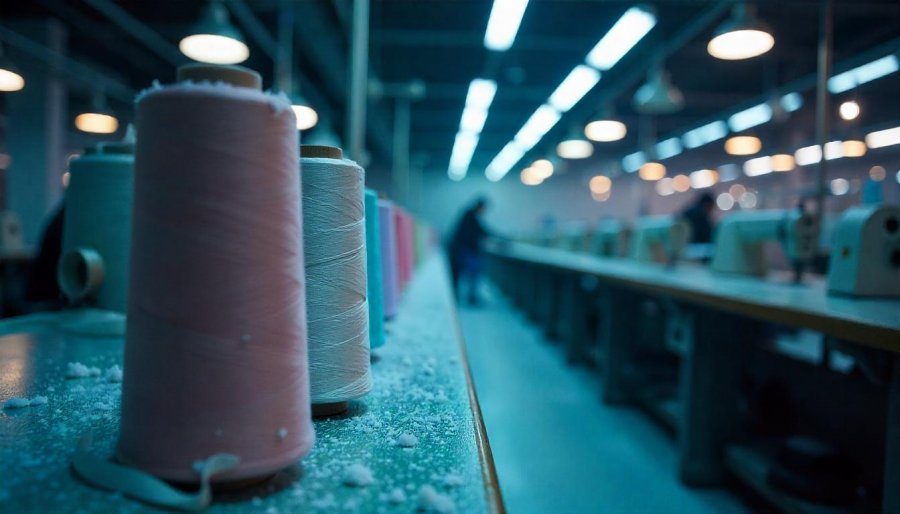
Nylon in Modern Life: Uses, Consequences, and the Path Forward
Today, nylon’s presence in our daily lives is nearly unavoidable. Its versatility and durability have made it a cornerstone of modern manufacturing across countless industries. From the clothes we wear—such as activewear, rain jackets, and everyday leggings—to the carpets and upholstery that furnish our homes, nylon’s elastic, resilient fibers are everywhere. Its ability to withstand wear and tear while remaining affordable has driven its popularity, enabling brands to produce high-performance products at accessible prices. This widespread use underscores nylon’s role in shaping contemporary lifestyles, blending functionality with cost-effectiveness.
Beyond apparel and home furnishings, nylon’s strength and resilience lend themselves well to industrial and outdoor applications. Ropes, fishing lines, and tire cords all rely on nylon’s lightweight yet tough qualities. Its resistance to stretching and tearing makes it ideal for demanding environments, from construction sites to marine settings. Outdoor gear such as tents, backpacks, and climbing harnesses also depend heavily on nylon. These products benefit from its ability to resist harsh weather conditions while maintaining flexibility, supporting outdoor enthusiasts and athletes in their pursuits. Nylon’s capacity to perform under stress has cemented its place in sectors where reliability is non-negotiable.
However, the widespread utilization of nylon comes with significant environmental consequences. Its roots in fossil fuels mean that every nylon product indirectly ties into the fossil fuel industry, from extraction to manufacturing. The process of mining and drilling for oil triggers habitat destruction, pollutes ecosystems, and contributes heavily to greenhouse gas emissions. The energy-intensive chemical reactions involved in producing nylon’s raw materials—such as adipic acid and hexamethylenediamine—release potent greenhouse gases like nitrous oxide, further fueling climate change. These hidden costs often go unnoticed behind the convenience and affordability that nylon offers consumers.
The environmental impact extends beyond production. Once in use, nylon garments shed microfibers during washing, tiny plastic particles that escape into waterways. These microplastics are ingested by marine life, accumulating up the food chain and affecting ecosystems and human health alike. Because nylon is so durable, it can take hundreds of years to decompose once discarded in landfills. This persistent waste contributes to the global plastic pollution crisis, polluting oceans and landscapes with long-lasting debris. These issues highlight the need for greater awareness and innovation in sustainable materials that can replace or complement nylon in various applications.
Rising environmental concerns are prompting a shift toward more sustainable alternatives. Recycled nylon, made from post-consumer plastics, offers a way to reduce reliance on virgin petrochemicals while maintaining performance qualities. Biodegradable fabrics are also gaining attention, promising faster breakdown after disposal and less long-term pollution. As consumers become more conscious of their ecological footprint, brands are increasingly investing in eco-friendly practices and innovations. While the transition isn’t immediate, these efforts signal a growing recognition that balancing utility with environmental responsibility is essential for a sustainable future. Nylon’s widespread use may persist for now, but the push for greener solutions is reshaping how industries and individuals approach this ubiquitous material.