




Learning to ride a bike is more than just acquiring a childhood skill—it’s a powerful rite of passage that embodies courage, independence, and resilience. From wobbling beginnings to triumphant rides, children discover that falls and setbacks are simply steps toward confidence. This milestone not only fosters physical health and outdoor exploration but also deepens family bonds through shared encouragement and support. Cultural and historical perspectives reveal cycling as a universal symbol of growing up, reflecting societal values of independence and adventure. Today’s evolving approaches—emphasizing safety gear, community programs, and supportive environments—aim to balance risk and freedom, nurturing perseverance and self-assurance. But does the fear of falling overshadow the thrill of independence? As children pedal into the world, they learn that with patience, support, and courage, every wobble leads to growth. Could this childhood milestone be the key to unlocking lifelong confidence and resilience?
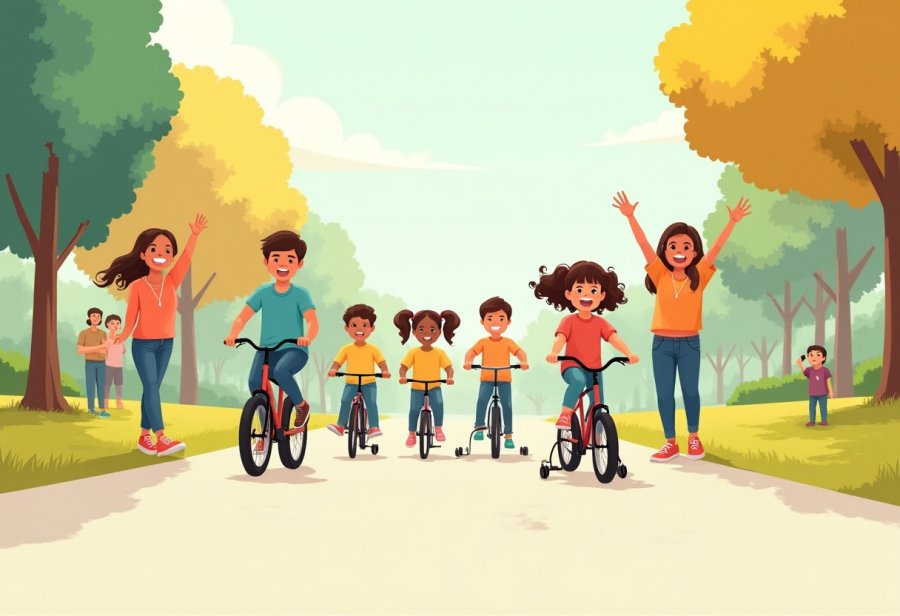
Celebrating a Childhood Milestone: The Joy and Growth of Learning to Ride a Bike
Learning to ride a bike is more than just a childhood skill — it’s a milestone filled with emotion, pride, and a sense of independence. For many kids, the first ride symbolizes stepping into a new world of exploration and self-confidence. Families often remember these moments vividly, as they mark a turning point from reliance on adult help to personal achievement. The wobbling starts, the tentative pushes on pedals, and the triumphant moments of balance all weave together into stories that last a lifetime.
This experience isn’t just about mastering a physical skill; it’s about building resilience. Kids learn quickly that falling and wobbling are part of the journey, not signs of failure. Each wobble is a step toward greater stability, teaching persistence and patience. Parents and siblings become cheerleaders and guides, turning each small victory into a shared celebration. These bonding moments create a foundation of trust and support that extends beyond the bike.
Learning to ride also introduces children to the thrill of freedom. Once they get the hang of balancing, the world opens up—paths become shorter, distances longer, and adventures more accessible. The joy of moving independently through familiar streets or parks instills a sense of empowerment. It’s a feeling that stays with kids, reminding them that with effort and support, they can conquer new challenges.
The act of teaching a child to ride is a shared journey. From holding the seat to offering encouraging words, parents and family members help children navigate their fears. The process often involves gentle guidance, patience, and celebrating small successes. These moments of progress foster confidence, showing children that persistence pays off and that setbacks are just part of learning.
As children pedal for the first time without assistance, they experience an almost indescribable sense of achievement. It’s a moment that often sparks a lifelong love for outdoor activity and physical movement. Learning to ride isn’t just a childhood rite of passage; it’s a key step toward independence, resilience, and exploring the world around them.
Families cherish these memories, knowing each ride symbolizes growth and perseverance. The lessons learned on two wheels extend far beyond the driveway or park—they shape attitudes about effort, failure, and achievement. Every wobble, fall, and triumphant ride reinforces a simple truth: with support and determination, children can overcome fears and unlock their potential.
In the end, learning to ride a bike is a universal experience that deeply bonds families and teaches timeless values. It’s a journey marked by small victories, shared encouragement, and the joy of discovering what’s possible when courage and support come together. These moments of growth become treasured stories, inspiring children to face new challenges with confidence and a sense of adventure.
A Journey Through Time: How Cultures and History Shape the Experience of Learning to Ride
Cycling has long been a universal symbol of childhood independence, transcending cultures and eras. When the safety bicycle was introduced in the late 1800s, it transformed how children experienced mobility. No longer was riding a risky adventure reserved for the brave; it became an accessible milestone that signaled growing up and a step toward self-reliance. This technological breakthrough made cycling not just a pastime but an important marker of maturity in many societies.
In Western countries, especially, the first ride often marked a transition from childhood to adolescence. It represented more than just learning to balance; it was an act of exploration and adventure. Children gained a new sense of freedom, venturing beyond the familiar confines of home with confidence. Meanwhile, in other parts of the world, bicycles served a practical purpose—facilitating longer travel distances, enabling access to education, and strengthening community ties. Here, cycling was as much about utility as it was a childhood achievement.
Over time, perceptions around bike riding shifted from caution to celebration. Improved safety gear, community programs, and infrastructure changes fostered a more positive attitude. Cycling became seen as a vital part of childhood development—encouraging physical activity, outdoor exploration, and environmental consciousness. Today, many cultures view learning to ride as a rite of passage that nurtures independence, resilience, and confidence from a young age.
Different regions have embraced cycling in unique ways. In the Netherlands and Denmark, for example, children learn to ride almost instinctively, supported by bike-friendly infrastructure and social norms that promote early independence. In rural or developing areas, children often pick up cycling informally—riding alongside family members or on open fields—shaped by local customs and environments. Despite these differences, the core symbolism remains consistent: learning to ride signifies a child’s step toward autonomy and self-assurance.
Historically, this act of teaching children to ride has mirrored societal values. As safety measures improved, structured lessons and protective gear gained prominence, reinforcing the importance of safeguarding young learners. Yet, the fundamental meaning persisted—riding a bike is a universal symbol of growth, adventure, and the human desire to explore. Innovations like virtual training tools or smarter helmets continue to evolve this tradition, but the core message endures.
Throughout history, the bicycle has been a catalyst for social change. It empowered children to explore their environments independently, fostering confidence and resilience. In many cultures, learning to ride was a key step toward personal freedom, shaping attitudes about effort, independence, and adventure. This shared experience has helped bridge generations, connecting past and present in a timeless dance of growth and discovery.
Today, cycling remains a vital part of childhood across the globe. Its significance extends beyond mere transportation—it’s about cultivating independence, resilience, and a sense of adventure. The stories of children learning to ride, overcoming fears, and exploring the world on two wheels continue to inspire new generations. As the world changes, the fundamental lessons embedded in this milestone stay the same: with courage, support, and a little perseverance, every child can find their own path to independence through the simple act of riding a bike.
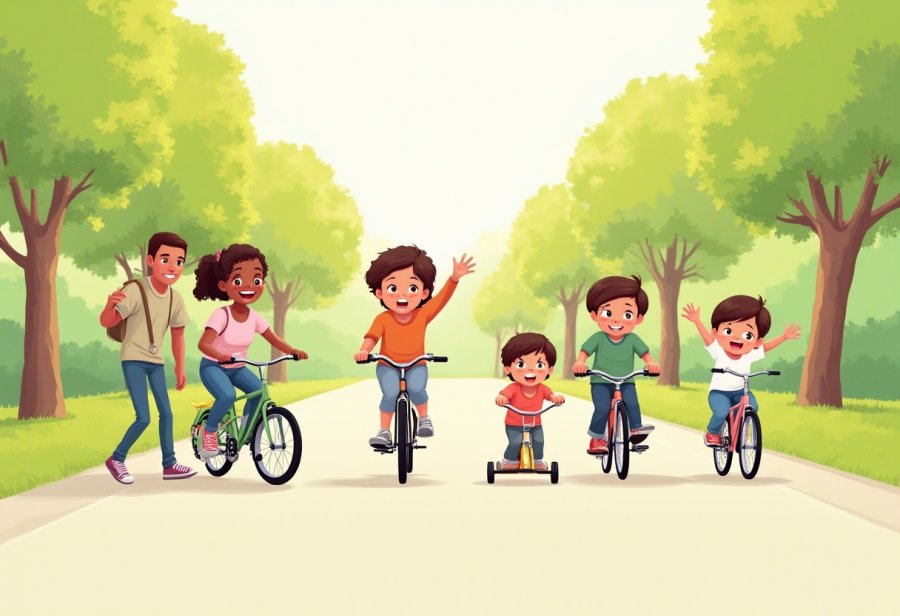
Modern Methods and Global Perspectives: Navigating Today’s Approach to Teaching Kids to Pedal
Today’s approach to teaching children how to ride a bike combines time-tested methods with modern innovations that prioritize safety and enjoyment. Many families now start with balance bikes, which help kids develop coordination and steering skills without the added complexity of pedaling. This step allows children to focus on mastering balance first, making the transition to pedal bikes smoother and more confident. Once they’re comfortable balancing, adding training wheels or shifting to a bike with pedals offers a gradual learning curve that encourages independence without overwhelming them.
Community programs and outdoor workshops play an increasingly important role in today’s landscape. Local parks, schools, and organizations often host beginner cycling classes designed to make learning fun and accessible. These programs foster a relaxed environment where kids can practice alongside peers, transforming what might seem like a challenge into an exciting adventure. Group rides and interactive games help children see cycling as more than just a skill—they view it as an enjoyable activity that they want to pursue regularly.
Attitudes toward bike learning have shifted significantly over recent years. Many parents now see cycling as a vital life skill that promotes physical health, independence, and environmental awareness. This perspective is supported by advancements in safety gear, such as helmets and protective clothing, as well as improved infrastructure like dedicated bike lanes and safe crossings. As a result, children are introduced to cycling earlier and with greater encouragement, which helps build confidence and resilience from a young age. The emphasis is now on enjoying the journey, not just the destination.
Cultural differences influence how children learn to ride across the globe. In countries like the Netherlands and Denmark, cycling is embedded in daily life from a very young age. Supportive infrastructure, social norms, and community habits make early riding almost automatic for children. Conversely, in rural or developing regions, kids often learn informally—riding on open fields or alongside family members—shaped by local customs and environment. Despite these variations, the core message remains: learning to ride symbolizes independence and personal growth.
Despite the progress, debates about the best teaching methods continue. Some emphasize strict safety protocols, such as mandatory helmets and supervised practice, aiming to minimize injuries. Others argue that too much caution can hinder a child’s confidence and sense of adventure, advocating for more freedom to explore—even if it means falling a few times. Finding the right balance between safety and independence remains a key discussion among parents, educators, and safety experts, shaping how future generations will learn to ride.
Overall, the landscape of bike learning today reflects a blend of tradition and innovation. It’s about creating a positive, safe environment where children can develop their skills at their own pace. Whether through community programs, improved infrastructure, or supportive family involvement, the goal is to foster confidence, resilience, and a lifelong love of outdoor activity. As children take their first pedal strokes, they’re not just learning to ride—they’re gaining independence, building character, and connecting with the world around them.
Beyond the Pedals: Practical Benefits and Life Lessons from Riding a Bike
Learning to ride a bike opens up a world of practical benefits that reach far beyond the initial achievement. For children, mastering this skill means gaining a new level of independence. It’s not just about pedaling; it’s about feeling confident to explore their neighborhood, visit friends, or run small errands with less adult supervision. This sense of freedom encourages outdoor activity, which is vital for developing motor skills, maintaining physical health, and fostering a love for active play in a digital age.
For families, cycling often becomes a shared activity that strengthens bonds and creates lasting memories. Weekend rides through parks or quick trips to the store become opportunities for teamwork and quality time. These shared experiences teach children responsibility and safety awareness—values that extend beyond biking into everyday life. Navigating streets or trails together builds trust and improves communication, making every outing a chance to reinforce support and encouragement.
Learning to ride also cultivates resilience and problem-solving skills. Children quickly realize that balancing, steering, and pedaling involve overcoming fears and frustrations, especially after falls or wobbly starts. Persisting through these setbacks teaches patience and effort, lessons that translate into school, hobbies, and future challenges. This inner strength helps children approach obstacles with a growth mindset, rather than retreat from difficulty.
Cycling promotes physical activity in a fun, accessible way. Instead of structured workouts, children find joy in moving outdoors, boosting cardiovascular health, strengthening muscles, and improving overall fitness. As outdoor play becomes more crucial amid increasing screen time, biking offers an engaging alternative that keeps kids connected to nature and their surroundings. Early exposure to outdoor movement helps establish lifelong habits of activity and well-being.
Beyond individual benefits, bike riding opens social doors. Kids often enjoy riding with friends or participating in community events, which fosters social skills and a sense of belonging. Achievements like mastering their first ride boost self-esteem and motivate children to try new activities. These shared experiences of perseverance and success cultivate a positive outlook on challenges, inspiring resilience and adventure.
Supporting children through this learning process teaches them that setbacks are normal and part of growth. Celebrating small victories, like staying balanced a little longer or pedaling independently, reinforces that effort leads to progress. This attitude encourages children to view challenges as opportunities, building confidence that extends into all areas of life.
The physical and emotional benefits gained from learning to ride help shape a child’s character. It reminds us that growth involves wobbling, falling, and getting back up—sometimes repeatedly. With patience, support, and a positive outlook, families turn this milestone into a celebration of perseverance and achievement. These experiences foster independence, joy, and resilience that last a lifetime.
Embracing the journey of bike learning transforms a simple skill into a powerful tool for development. It nurtures confidence, encourages outdoor exploration, and deepens family bonds. Every pedal stroke taken with support and encouragement becomes a step toward a more confident, active, and resilient child—ready to face new adventures with courage and a sense of possibility.
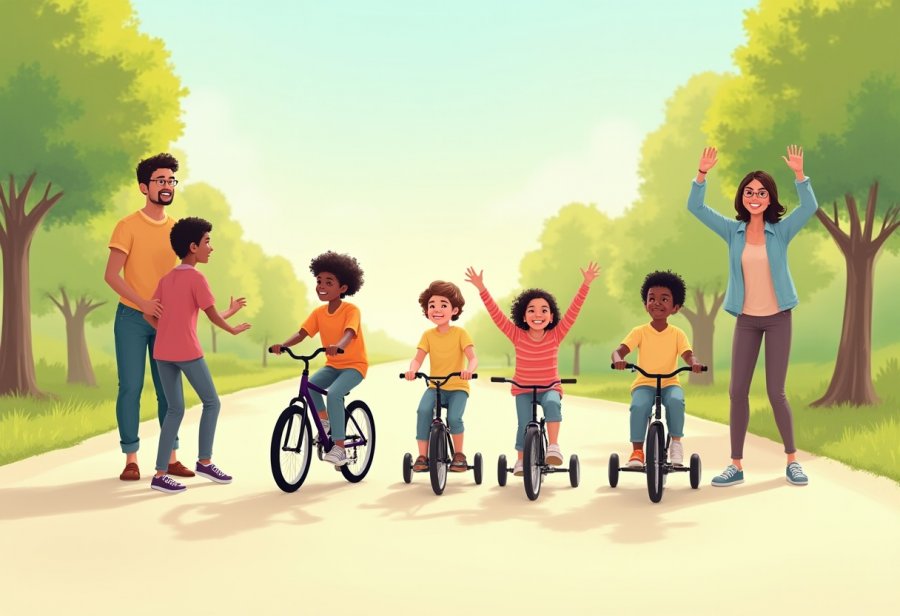
Reflecting on the Ride: Embracing Growth, Support, and the Adventure of Learning to Bike
Learning to ride a bike is more than just a childhood achievement; it’s a foundational experience that shapes confidence, resilience, and independence. Each wobble and fall along the way teaches children that setbacks are normal parts of growth, not signs of failure. Celebrating small victories—like balancing a little longer or pedaling without wobbling—reinforces that perseverance leads to progress. These moments of success build a mindset where challenges are seen as opportunities, not obstacles.
The journey of learning to ride also deepens family bonds. Supporting a child through their first rides, offering encouragement after tumbles, and sharing in the triumphs creates trust and communication. These shared experiences become treasured memories, illustrating that patience, support, and persistence make all the difference. Together, families turn a simple act into a powerful lesson about teamwork and resilience.
Fears of falling are natural, but embracing them as part of the process helps children develop inner strength. When safety gear is in place and environments are supportive, children feel empowered to take risks and learn from their mistakes. This balance between caution and freedom nurtures confidence, teaching kids that courage is often about pushing through discomfort and trying again. Such lessons extend far beyond cycling, shaping how they face challenges in all areas of life.
Learning to ride a bike fosters a sense of freedom and adventure that can last a lifetime. It encourages outdoor activity, physical health, and a love for exploration. As children master their first rides, they gain independence and a greater willingness to discover the world around them. These early experiences lay the groundwork for a positive attitude toward effort, growth, and the joy of achievement.
In the end, teaching a child to ride a bike is a celebration of growth—an ongoing process of wobbling, falling, and rising. When families support and cheer them on, they help cultivate not just a skilled rider but a resilient, confident individual ready to embrace new challenges. This journey becomes a cherished chapter in their development, reminding us all that with patience, support, and courage, the path to independence is a beautiful adventure worth every pedal stroke.