In an era where seamless communication is crucial for competitive advantage, how can businesses harness innovative telephony solutions to transform their networks? Grandstream’s advanced devices and cloud-based management tools promise not just efficiency but a new level of customization and scalability that traditional systems can’t match. From carrier-grade IP phones designed for mass deployment to centralized control systems that simplify scaling across multiple locations, Grandstream’s offerings enable organizations to craft tailored communication environments that grow with their needs. But are these solutions robust enough to meet the demands of fast-paced, security-conscious enterprises? As organizations implement these cutting-edge tools, they face the challenge of balancing ease of deployment with ongoing management and security. The future of business communication lies in this dynamic intersection—where innovation meets operational excellence—and Grandstream stands poised to lead the way. Will your network be ready to unlock its full potential?
Revolutionizing Business Communication with Customizable Telephony
In today’s fast-moving business environment, staying connected isn’t just a convenience—it’s a vital part of success. Companies rely on efficient communication to serve customers, coordinate teams, and adapt swiftly to changing markets. As organizations grow and their needs become more complex, traditional landlines and fixed phone setups often fall short, limiting flexibility and scalability. This gap has driven the rise of customizable telephony solutions, which allow businesses to craft communication networks tailored to their specific workflows and goals.
Over the past few decades, the evolution of communication technology has been remarkable. From basic landlines with limited features to sophisticated digital systems, each step has aimed to improve flexibility, efficiency, and cost-effectiveness. Today, Voice over Internet Protocol (VoIP) has transformed how we connect—using the internet to transmit voice data, which drastically cuts costs and opens new avenues for integration. These digital systems support not just voice calls but also video, instant messaging, and seamless integration with other digital tools, making communication more versatile and responsive.
Understanding the core of modern telephony helps clarify why these technological shifts matter. When voice signals are converted into digital packets and sent over the internet, they become more adaptable and scalable. Protocols like SIP manage call setup and control, ensuring smooth, reliable connections across diverse devices and locations. Additionally, network management tools such as Quality of Service (QoS) prioritize voice traffic to maintain high call quality, while encryption and firewalls safeguard sensitive conversations. These foundational elements create a robust, secure environment for effective, real-time communication.
The move from traditional landlines to digital IP-based systems was driven by a desire for more agility. Digital solutions enable quick expansion, easy feature upgrades, and integration with cloud services—all without significant hardware changes. Features like auto-attendants, voicemail-to-email, and conference calling have become standard, supporting remote work and collaborative efforts. This evolution has made IP telephony the backbone of modern business communication, providing organizations with the tools to stay connected, responsive, and future-ready.
Today, organizations are leveraging these advancements to build smarter, more adaptable networks. Cloud-based platforms allow centralized control over multiple locations, simplifying deployment and maintenance. Softphones—software-based phones on computers and mobile devices—provide flexible, cost-effective options for remote workers. These innovations not only streamline operations but also support growth, hybrid work models, and enhanced customer experiences. As telephony technology continues to evolve, the key is adopting solutions that are as dynamic and personalized as the organizations they serve.

Foundations of Telephony Technology: From Analog to Digital
Telephony technology forms the backbone of modern business communication, blending traditional voice systems with cutting-edge digital solutions to meet today’s demands. At its core, Voice over Internet Protocol (VoIP) allows voice signals to travel over the internet instead of relying on conventional phone lines. This shift not only reduces costs but also unlocks new levels of flexibility and scalability that traditional systems cannot provide.
When a call is made, the analog voice signal is converted into digital data packets. These packets are then transmitted across the network and reassembled at the recipient’s device, creating a seamless conversation. Protocols like Session Initiation Protocol (SIP) manage the setup, control, and termination of these calls, ensuring compatibility across a wide range of devices and platforms. This standardization is vital for interoperability, allowing different systems and manufacturers to work together smoothly.
Network management is essential for maintaining high-quality communication. Adequate bandwidth and the prioritization of voice traffic through Quality of Service (QoS) settings prevent issues like delays, jitter, or dropped calls—problems that can disrupt business operations. Proper configuration of these elements ensures that voice and video calls remain clear and reliable, even during peak network usage. Security measures such as encryption and firewalls further protect conversations from eavesdropping and cyber threats, maintaining confidentiality and trust.
The transition from landlines to digital IP-based solutions was driven by a need for more agility. Digital systems can be expanded easily and upgraded without replacing hardware, enabling businesses to grow and adapt quickly. Features like auto-attendants, voicemail-to-email, and conference calling have become standard, supporting remote work and collaborative workflows. This evolution has made IP telephony the preferred choice for organizations looking for integrated, dynamic communication channels.
Modern telephony also leverages cloud platforms for centralized management. Cloud-based control panels allow IT teams to configure, monitor, and troubleshoot hundreds or thousands of devices remotely. This approach simplifies deployment, reduces maintenance time, and ensures consistent updates and security patches across all endpoints. As a result, organizations can scale their communication infrastructure efficiently while maintaining high standards of performance and security.
Devices themselves have advanced significantly, combining durability with user-friendly features. High-resolution displays, programmable keys, and connectivity options like Bluetooth and Wi-Fi enhance user productivity and convenience. Whether used in a call center or an executive office, these hardware components support personalized workflows and seamless integration with other digital tools, ensuring that communication remains smooth and effective.
Understanding these technical fundamentals reveals why modern telephony is so powerful. It’s a system built for flexibility, security, and scalability—designed to meet the evolving needs of today’s interconnected world. By converting voice into digital data and managing it through sophisticated protocols and network controls, businesses are equipped to communicate more efficiently and securely than ever before. This foundation supports the innovative solutions that drive productivity, collaboration, and growth across industries.
Grandstream’s Cutting-Edge Devices: Elevating Network Performance
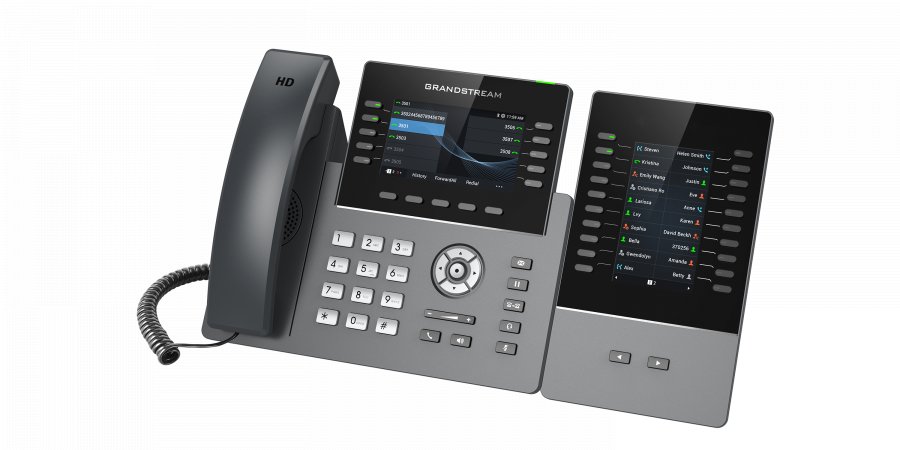
Grandstream’s range of telephony devices exemplifies how innovative hardware can elevate your network’s efficiency and flexibility. Designed with both reliability and user experience in mind, their IP phones deliver crystal-clear audio, intuitive interfaces, and a variety of features tailored to different business needs. Whether outfitting a small office or deploying across multiple locations, these devices support high-definition sound, customizable keys, and seamless integration into cloud-managed environments, making daily communication straightforward and dependable.
A flagship in their lineup is the GRP series, engineered specifically for large-scale deployment. These carrier-grade IP phones support auto-provisioning and remote management, enabling IT teams to configure, monitor, and update hundreds or thousands of devices effortlessly. Using Grandstream’s Device Management System (GDMS), organizations can push firmware updates, customize features, and troubleshoot remotely—significantly reducing deployment time and operational disruptions. This centralized control simplifies scaling, allowing your network to grow smoothly alongside your business.
From a design perspective, Grandstream’s IP phones strike a perfect balance between durability and modern aesthetics. Their sleek, professional appearance fits well in various environments, while sturdy construction ensures longevity even in high-traffic areas. Features like large, high-resolution displays, Bluetooth and Wi-Fi connectivity, and programmable keys enhance user productivity and convenience. Support for gigabit Ethernet ports further optimizes network performance, especially during intensive call scenarios, ensuring high-quality, uninterrupted communication at all times.
Customization options are a key strength that supports network optimization. Businesses can tailor call routing, auto-attendants, and user interfaces to match specific operational workflows—whether that’s quick access for retail managers or secure, HIPAA-compliant channels for healthcare providers. These flexible configurations streamline daily tasks and can scale easily as your organization evolves. The compatibility of Grandstream’s devices with other digital tools ensures your communication system becomes a true extension of your operational strategy.
Cloud management is central to Grandstream’s device ecosystem, offering full control regardless of your organization’s size or location. The GDMS platform allows for remote deployment, updates, and troubleshooting, dramatically reducing the need for on-site technical support. This approach not only accelerates deployment but also ensures consistent security patches and feature enhancements, keeping your network resilient against cyber threats. The hardware’s advanced features—such as high-quality audio, programmable keys, and flexible connectivity—further support a personalized, scalable communication environment, empowering your team to operate efficiently and confidently.

Seamless Deployment of Grandstream Solutions for Business Success
Deploying Grandstream devices effectively starts with understanding your specific business environment and communication needs. For small offices or remote teams, a straightforward plug-and-play setup often suffices. Devices with auto-provisioning features enable quick configuration; simply connect to the network, log into the management platform, and let the system handle the rest. This approach minimizes errors, reduces downtime, and allows for a swift transition to a fully operational communication system.
Larger organizations or those managing multiple locations benefit greatly from centralized management tools like Grandstream’s GDMS. This platform provides a single interface to configure, monitor, and troubleshoot hundreds or thousands of devices remotely. With auto-provisioning, deploying new phones or updating existing ones becomes a matter of a few clicks, streamlining operations and ensuring consistency across all sites. This centralized control not only saves time but also helps maintain uniform settings and security protocols.
Before rolling out new hardware, evaluate your network’s capacity. Confirm that your bandwidth can support increased voice and video traffic, and prioritize these through Quality of Service (QoS) settings. Properly configuring QoS helps prevent issues like latency or call drops, ensuring high call quality even during busy periods. Conducting performance tests in advance allows you to identify and address potential bottlenecks, paving the way for a smooth deployment.
Staff training is a crucial step often overlooked. Providing quick-reference guides or short training sessions on device features and basic troubleshooting empowers users and reduces dependence on technical support. When employees understand how to operate their phones and what to do when issues arise, it accelerates adoption and maintains operational continuity. A knowledgeable team becomes an active participant in keeping the communication system running smoothly.
Adopting a phased deployment approach minimizes risks and facilitates smoother transitions. Starting with a pilot group allows you to test configurations, gather feedback, and make adjustments before scaling up. As the pilot proves successful, gradually expanding deployment ensures each new batch integrates seamlessly, reducing the chances of widespread disruptions. This step-by-step strategy also provides valuable insights into real-world performance and user experience.
Tailoring your deployment plan to your industry’s specific needs enhances overall effectiveness. Retail chains may focus on quick access for store managers, while healthcare providers require secure, compliant communication channels. Customizing call routing, auto-attendants, and user interfaces ensures your telephony system aligns with operational workflows. Leveraging Grandstream’s flexible device architecture and management tools makes these adjustments straightforward, supporting your business’s unique requirements.
Finally, ongoing monitoring and maintenance are vital to sustaining optimal performance. Regularly reviewing device status, firmware updates, and security patches keeps your network resilient against evolving cyber threats. Establishing clear procedures for troubleshooting and support ensures issues are addressed promptly, preventing minor problems from escalating. With proactive management, your communication system remains reliable, secure, and ready to support your business growth.