




Embarking on your first camping trip can seem daunting—gear, setup, and unexpected weather challenges may trigger hesitation. But what if your mindset is the real game-changer? Approaching camping with curiosity and resilience transforms obstacles into memorable adventures, revealing that success isn’t about perfection but embracing the journey. From choosing beginner-friendly sites and packing essentials to handling surprises with humor, each step builds confidence and deepens your connection with nature. Real stories illustrate how weather storms, wildlife encounters, and small setbacks become treasured memories when approached with patience. Looking ahead, eco-friendly innovations, technological tools, and inclusive initiatives promise a future where outdoor exploration is safer, more accessible, and sustainable. Ultimately, the magic of camping lies not just in the destination but in the stories, growth, and wonder born from embracing the unpredictable—so why not start your adventure today?
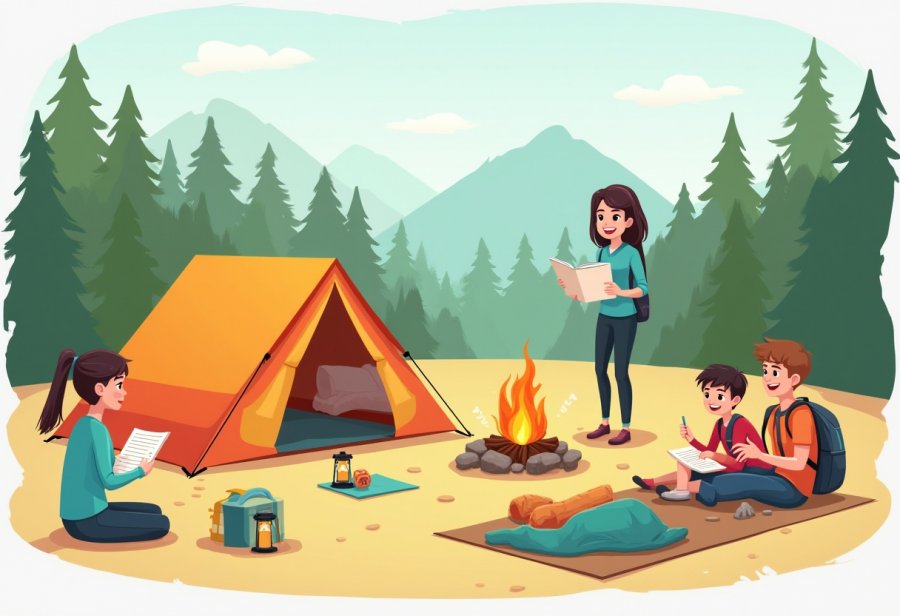
Transform Your First Camping Experience with the Power of Mindset
Starting your first camping trip can feel a bit intimidating. The thought of packing the right gear, setting up your tent, and handling unexpected weather might seem overwhelming at first. But what often makes the biggest difference isn’t just the equipment you bring—it’s your mindset. Approaching camping with curiosity and a positive attitude can turn what looks like a challenge into a rewarding adventure.
Your outlook shapes how you experience nature. Instead of aiming for perfection, try seeing each moment as a chance to learn something new. When setbacks happen—like a sudden rainstorm or a forgotten item—staying relaxed and adaptable helps you enjoy the experience rather than get discouraged. These surprises often become the stories you’ll tell long after the trip ends, reminding you that outdoor adventures are about discovery and growth.
Camping offers a rare opportunity to disconnect from daily stresses and reconnect with the outdoors. It’s accessible for beginners, providing fresh air, scenic views, and a break from screens. Viewing camping as a chance to slow down and appreciate simple pleasures—like starry nights or bird songs—shifts the focus from doing everything perfectly to simply enjoying the moment. When you approach it with an open mind, camping becomes less about performance and more about experience.
Having a positive attitude also builds confidence. Setting realistic goals, such as learning to pitch a tent or cooking a simple meal, makes the process manageable and rewarding. Each small success boosts your motivation and makes future trips feel even more approachable. Remember, everyone starts somewhere—most seasoned campers faced the same uncertainties at first. Embracing a growth mindset turns each outing into a step toward becoming more comfortable outdoors.
It’s natural to worry about doing everything right, but focusing on enjoying the journey makes all the difference. Camping isn’t just about gear or perfect plans; it’s about embracing the unknown and making the most of every moment. If you step into nature with patience, curiosity, and a sense of adventure, even minor setbacks become part of the story. With this outlook, your first trip won’t just be a one-time experience but the start of many more outdoor adventures to come.
Essential Planning Steps to Make Your First Camping Trip a Breeze
Preparing for your first camping trip is all about laying a solid foundation to ensure everything goes smoothly. Start by choosing a campsite that’s beginner-friendly—look for locations with easy access, good facilities, and clear signage. Parks or campgrounds designed for newcomers often have level sites and helpful staff, which can make setting up your tent and settling in much easier. Picking a nearby or familiar spot reduces travel stress and helps you feel more at ease from the start.
Next, focus on packing the essentials with simplicity in mind. A sturdy tent, a warm sleeping bag, weather-appropriate clothing, and basic cooking supplies are enough to get started. Creating a checklist helps prevent forgetting key items and keeps your packing organized. Pack clothes in layers to adapt to changing temperatures, and include rain gear just in case. Don’t forget a flashlight or headlamp for nighttime navigation and a small first aid kit for safety. Keeping your gear lightweight and manageable makes your trip more enjoyable.
Planning your activities ahead of time can boost your confidence and set expectations. Think of short hikes, nature walks, or simple campfire stories—things that are easy to prepare and fun to do. Having a loose plan keeps you engaged without feeling overwhelmed, allowing room for spontaneous moments that often turn into the best memories. Remember, camping is about relaxing and enjoying the outdoors, not over-scheduling every minute.
Arriving early on your first day is a smart move. Getting to your site with plenty of daylight gives you time to set up your tent, organize your gear, and settle in comfortably before night falls. Take your time pitching the tent; following instructions carefully or practicing beforehand can make the process smoother. A well-constructed campsite creates a cozy, weather-resistant refuge and makes your stay more comfortable.
Familiarize yourself with the area once your campsite is set up. Walk around, locate water sources, restrooms, and interesting spots like scenic viewpoints or trails. If you plan to explore beyond your site, bring a map or GPS device and inform someone of your plans. Being prepared for navigation helps you explore confidently and ensures safety, especially in unfamiliar territory.
When packing your gear, focus on lightweight, durable items. Bring enough water, simple utensils, and extra batteries or power banks for your devices. Insect repellent and sunscreen are must-haves, especially if you plan to spend time outside. Organize your belongings in labeled bags or containers to make unpacking and packing up easier, so you spend more time enjoying and less time searching.
Finally, stay flexible and keep a positive attitude. Weather changes, forgotten items, or minor setbacks are normal parts of camping. Approach challenges calmly, see them as learning opportunities, and adapt as needed. This mindset turns potential frustrations into part of the adventure, setting you up for a smooth, enjoyable first trip that builds confidence for many more outdoor adventures ahead.
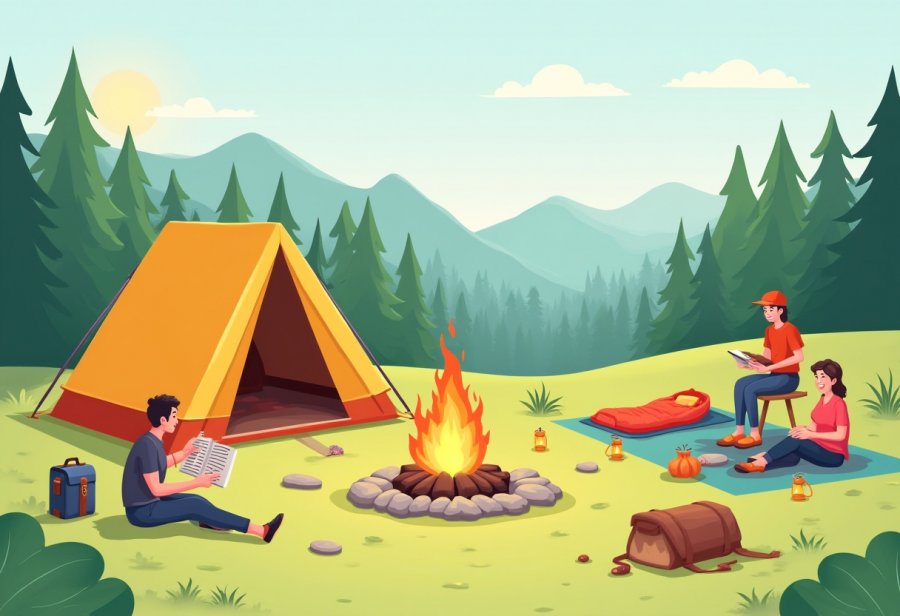
Putting Your Plans into Action and Embracing the Outdoors
Once your plans are in place and your gear is packed, it’s time to put everything into action. Arrive early at your campsite, ideally with plenty of daylight left, so you can settle in comfortably. Find a flat, stable spot for your tent, preferably near water and shaded if possible. Take your time to pitch the tent carefully, following instructions or practicing beforehand if you can. A well-set-up tent creates a cozy, weather-resistant base, making your entire stay more comfortable and stress-free.
After setting up, start exploring your surroundings at a gentle pace. A short walk around the campsite helps you get familiar with water sources, trails, and interesting sights. Stick to marked paths or familiar routes, and pay attention to details like bird calls, plant life, or the texture of tree bark. These small observations deepen your connection to nature and boost your confidence navigating the outdoors.
Once you’re comfortable around your campsite, focus on engaging with the environment. A simple nature walk or brief hike can be both fun and educational, especially if you bring along a guidebook or app to identify plants and wildlife. Sharing stories or jokes around the campfire in the evening creates a warm, bonding atmosphere that enhances the experience. As night falls, star gazing can be incredibly peaceful—find a dark, clear spot, lie back, and marvel at the vast sky above.
Expect that challenges may come up, especially for first-timers. Quick weather changes, tricky tent setups, or lost items are normal. Keep a calm attitude—waterproof gear and extra layers will help you stay comfortable during unexpected rain. When things don’t go as planned, view it as part of the adventure. Problem-solving with patience and humor turns setbacks into memorable stories and confidence builders.
As your day winds down, take a moment to relax and reflect. Sit outside your tent, listen to the sounds of the night, and soak in the peaceful surroundings. If you brought a journal or camera, capture your favorite sights and feelings. Recognizing how you managed the day’s surprises and successes helps reinforce your confidence for future trips.
When it’s time to leave, pack up carefully, leaving your site clean and tidy. Every experience—whether smooth or challenging—adds to your outdoor story and prepares you for more adventures. Remember, camping is about embracing the journey, not just reaching a destination. With patience, curiosity, and a positive mindset, each trip becomes a stepping stone toward a lifelong love of the outdoors.
Real-World Camping Stories that Inspire and Teach
Many first-time campers find that it’s often the unexpected moments that turn into the most memorable stories. Take, for example, a family arriving at their campsite just as a sudden rainstorm kicked in. Instead of feeling discouraged, they embraced the weather, cozying up inside their tent and listening to the rain’s soothing rhythm. Sharing jokes and stories in that snug space became a highlight, showing how a little flexibility can transform a potential setback into a cherished memory.
Another common theme among beginners is the magic of discovery. One hiker recalls how a simple walk led to an unexpected wildlife sighting—a family of deer just a short distance from their tent. Moments like these remind us that nature often reveals its surprises when we’re open to exploring beyond our planned activities. These spontaneous encounters tend to stick in our minds long after the trip, reinforcing that some of the best experiences happen when you let curiosity lead.
Veteran campers often emphasize how handling small challenges with patience and humor makes the trip more rewarding. One seasoned adventurer shares that the most meaningful memories came from overcoming issues like a tricky tent setup or lost gear. Instead of stressing, they took a deep breath, adapted, and found joy in solving problems. These moments teach that perfection isn’t necessary—embracing imperfections often creates the most compelling stories and boosts confidence for future trips.
For many beginners, overcoming minor hurdles significantly boosts their confidence. One first-timer describes how successfully pitching their tent on their own felt like a real accomplishment. That small win sparked motivation and made them eager to try more outdoor activities. It’s a reminder that even the simplest successes in camping can build a sense of achievement and fuel a growing love for the outdoors.
The quiet beauty of the outdoors often leads to the most peaceful moments. One family recounts a night spent star-gazing, lying back in a dark, clear spot and marveling at the vast sky. These calm, unplanned moments highlight the magic of slowing down and paying attention to the natural world around us. Sometimes, it’s in these still, simple activities that camping’s true reward lies—connection, wonder, and a sense of peace.
Challenges are part of every adventure, especially for beginners. Weather might shift unexpectedly, or you might realize you forgot an essential item. Approaching these setbacks with a calm attitude turns them into part of the adventure rather than obstacles. Problem-solving in the moment, often with a bit of humor, not only makes the experience more enjoyable but also leaves you with stories to tell and lessons learned.
Reflecting on these experiences, many campers find that the mishaps and surprises often deepen their appreciation for the outdoors. Handling difficulties with patience and a positive outlook transforms frustrations into growth. These stories of overcoming small setbacks help build resilience and confidence, making each camping trip more rewarding and memorable.
In the end, what makes camping special isn’t just the destination, but the stories created along the way. Whether it’s a sudden rainstorm turned cozy night or a wildlife sighting on a quiet hike, these moments become part of your outdoor journey. They remind us that embracing the unpredictability of nature and staying flexible turns every trip into a richer, more meaningful adventure.
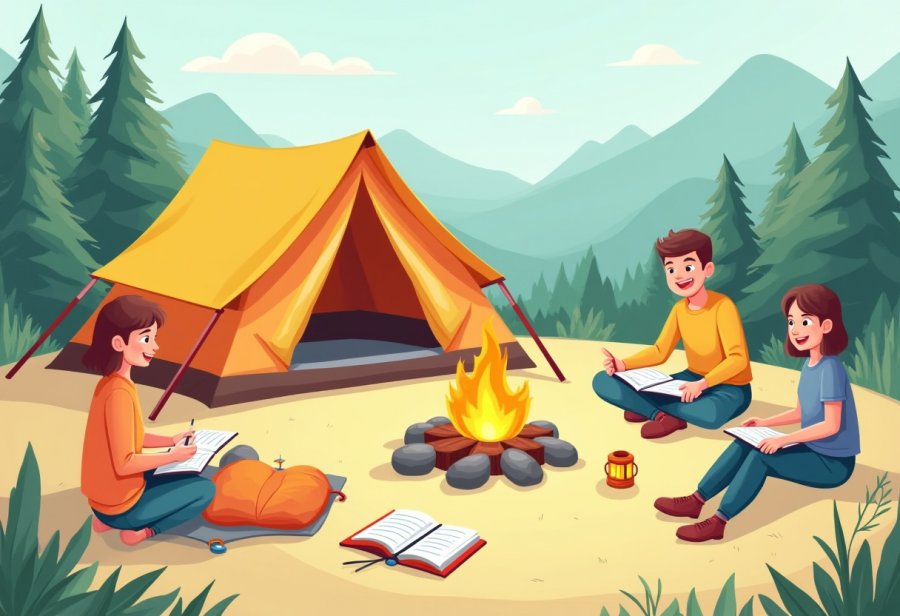
Exploring the Future of Camping and Embracing New Adventures
Looking ahead, the future of camping is becoming more exciting and environmentally conscious. Innovations in gear are making outdoor adventures lighter, easier, and more sustainable. Solar-powered chargers, biodegradable toiletries, and tents made from recycled materials help campers reduce their footprint without sacrificing comfort. These advances make outdoor exploration not just enjoyable but also responsible, aligning with a growing awareness of our impact on nature.
Technology continues to reshape how we experience the outdoors. Apps that help plan routes, check weather, and find campsites make it easier for everyone to venture into nature with confidence. GPS devices and offline maps are game-changers for navigating unfamiliar trails safely. Combining digital tools with traditional outdoor skills encourages safer, more independent exploration, opening the outdoors to a broader audience eager to discover new places.
Inclusivity is also gaining momentum. More accessible campsites and gear designed for diverse needs are opening up outdoor spaces to everyone. From lightweight, easy-to-setup tents for those with limited mobility to programs welcoming people of all backgrounds and ages, the outdoor industry is becoming more welcoming. This broader inclusion fosters a vibrant community of outdoor lovers, inspiring new generations to connect with nature and each other.
Sustainability is at the core of many emerging outdoor initiatives. Parks and campgrounds are adopting eco-friendly policies like waste reduction and renewable energy use. Brands are prioritizing eco-conscious manufacturing, giving campers options that align with their values. These shifts ensure that natural areas are preserved and healthier for future generations, so outdoor adventures can thrive long into the future.
Education and community-building continue to grow alongside these trends. Workshops, guided trips, and online resources teach essential skills like Leave No Trace, navigation, and outdoor cooking. Sharing knowledge builds confidence and promotes responsible exploration. Social media groups and local clubs foster a sense of connection, encouraging ongoing discovery and conservation. As more people learn and care for the environment, the outdoor community becomes stronger and more sustainable, ensuring that the love for adventure endures for generations to come.