




Mastering the art of calm leash walking transforms your bond with your dog into a peaceful, mutually rewarding experience. But how can simple walks become moments of trust and connection rather than frustration? This guide reveals that consistent routines, positive reinforcement, and patience are essential to teach your dog to walk politely by your side. It emphasizes starting in quiet environments, gradually introducing distractions, and using gentle tools to redirect tension, all while celebrating small successes. Challenges like pulling, lunging, or distractions are inevitable, yet every setback offers an opportunity to strengthen your approach and deepen your understanding of your dog’s needs. Are you ready to turn daily outings into shared adventures of calm and confidence? With steady effort and compassion, you can transform even lively walks into harmonious experiences, forging a stronger bond that endures beyond the leash—making every walk a joyful expression of teamwork and trust.
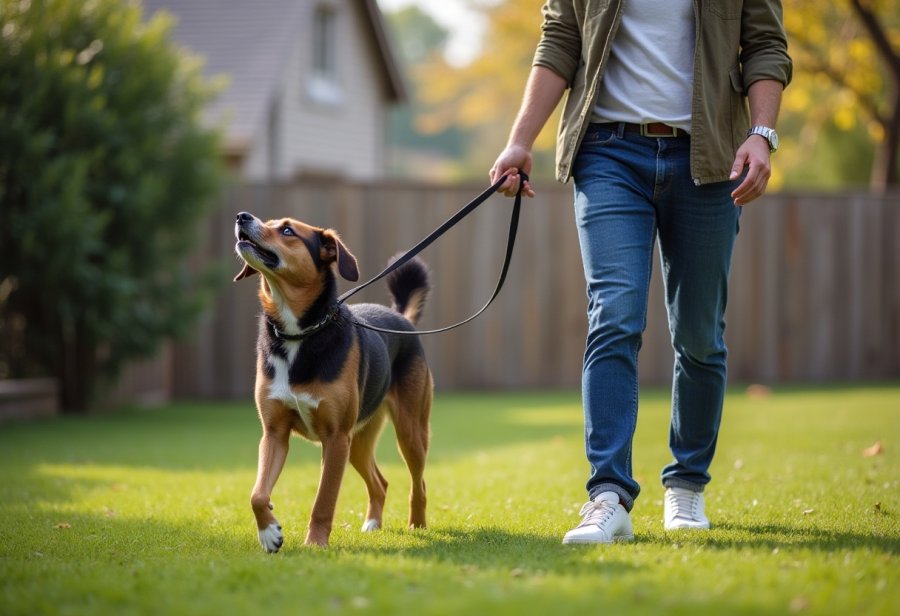
Transform Your Outings with Calm Dog Walking: An Introduction to Trust and Joy
Walking calmly with your dog might seem simple, but it’s a skill that can truly transform your daily routines. When your dog walks at your side in a relaxed, controlled way, outings become less stressful and more enjoyable. It’s about more than just good manners; it’s about building trust, clear communication, and a stronger bond. A peaceful walk helps your dog feel secure and understood, making training and everyday life smoother for both of you.
This guide aims to show you how to achieve that calm harmony during your walks. Whether you’re just starting out or looking to refine your approach, understanding the importance of calm leash walking lays a solid foundation. A relaxed dog isn’t just easier to manage; it creates a safer environment, especially in busy or unpredictable settings. Less pulling and lunging mean fewer accidents and more pleasant outings.
Building a calm walking routine isn’t about quick fixes. It requires consistency, patience, and positive reinforcement. When your dog learns to trust your guidance, they become more attentive and responsive. Over time, calm leash walking becomes a natural part of your relationship—turning walks into moments of connection rather than frustration.
The goal is simple: teach your dog to walk calmly by your side. We’ll explore practical techniques like rewarding good behavior and maintaining clear, steady commands. These small steps can make a big difference in how your dog perceives walks and how much you both enjoy them.
Creating this peaceful routine benefits your dog’s overall behavior as well. When they learn to stay relaxed, they’re less likely to develop pulling or lunging habits elsewhere. It’s about nurturing a balanced, confident pet who trusts your leadership and feels secure in your guidance.
Remember, calm walking isn’t just about manners; it’s about nurturing a partnership rooted in trust and respect. This connection turns every walk into a shared adventure filled with mutual understanding and joy. With patience and the right approach, peaceful, confident outings are well within reach.
Laying the Groundwork: Core Principles for Effective Dog Walking Training
Effective dog walking starts with a solid understanding of the core principles that make training successful. The foundation of calm leash walking relies heavily on positive reinforcement—reward your dog whenever they walk politely at your side. Using treats, praise, or a favorite toy makes good behavior more appealing than pulling or lunging, encouraging your dog to stay focused and relaxed. Consistency in commands and routines helps your dog quickly grasp what’s expected, boosting their confidence and reducing confusion.
Patience is essential because every dog learns at its own pace. Maintaining a calm, steady demeanor during training sessions reassures your dog and fosters trust. Choosing quiet, low-distraction environments in the early stages sets the stage for success, allowing your dog to focus on your cues without feeling overwhelmed. As they improve, gradually introduce more stimuli and longer walks, always rewarding calm behavior to build their confidence and self-control.
Modern training techniques have shifted away from harsh corrections, emphasizing trust and cooperation instead. Tools like clickers, no-pull harnesses, or gentle leaders can support your efforts by redirecting tension and reinforcing positive responses without discomfort. These aids, combined with consistent rewards, create a humane approach that fosters a stronger bond and clearer communication.
Understanding canine psychology helps you tailor your training. Clear, gentle cues paired with patience allow your dog to feel safe and understand what’s expected. This positive environment encourages attentiveness and calmness, making the training process both effective and enjoyable. Routine and structure—regular walk times and short, focused sessions—further solidify good habits and make calm leash walking second nature.
Building trust through consistent routines and positive reinforcement transforms training into a seamless part of daily life. Celebrate small wins, and don’t be discouraged by setbacks—they’re part of the process. Every step forward is a sign of progress, and with patience, your dog will learn to walk calmly by your side, strengthening your bond with each successful outing.
Mastering Control: Managing Distractions and Building Confidence During Walks
Mastering calm dog walking involves understanding how to manage both your dog and yourself in a variety of situations. Proper leash handling is crucial; a relaxed grip and steady tension communicate calmness and help your dog feel less restrained. Clear commands like “heel” or “let’s go” act as anchors, guiding your dog’s focus away from distractions. Choosing quieter routes or less busy times for training can make a big difference, especially when your dog is still learning to stay focused amid chaos.
Pulling on the leash is one of the most common hurdles and often stems from excitement or curiosity. Addressing this requires gentle redirection and consistent reinforcement when your dog walks beside you without pulling. As distractions increase—be it other animals, noises, or wildlife—your dog’s focus may waver. Gradually exposing them to these stimuli in controlled settings builds confidence and self-control, reducing reactive behaviors over time. Patience is essential here, but regular practice will show progress.
Tools like clickers or no-pull harnesses can support your efforts, especially with dogs prone to pulling. Clicker training creates a direct link between calm behavior and reward, while harnesses help redirect tension without discomfort. Recognizing how dogs perceive cues and respond emotionally allows you to tailor your approach, making training feel respectful and humane. Consistency and positive reinforcement are key to helping your dog internalize calm leash walking as a natural habit.
Setbacks often happen, but they’re part of the learning process. If your dog becomes distracted or pulls, gently redirect and reward their focus. Break training into smaller steps and celebrate minor improvements—they’re signs of progress. Maintaining a calm, patient attitude encourages your dog to mirror that calmness, even during challenging moments. Over time, these consistent efforts will yield a reliable, relaxed walking routine that strengthens your bond.
Environmental factors can pose additional challenges—busy parks, crowded streets, or noisy environments may temporarily hinder progress. In these cases, shifting to quieter settings or training at less hectic times can help your dog stay attentive. Using supportive equipment like head collars or harnesses can also make managing tension easier, especially for more reactive dogs. Remember, every difficulty is an opportunity to refine your approach and reinforce your dog’s confidence.
Ultimately, setbacks are natural and should be viewed as part of your journey rather than failures. Every challenge offers a chance to improve your techniques and deepen your understanding of your dog’s needs. Patience, persistence, and a calm demeanor are your best tools for turning moments of distraction into opportunities for growth. With consistent effort and positive reinforcement, your dog will develop the calm, confident walking habits that make outings safer, more enjoyable, and strengthen your shared bond.
Real-Life Success Stories: Practical Examples of Calm Walking Achievements
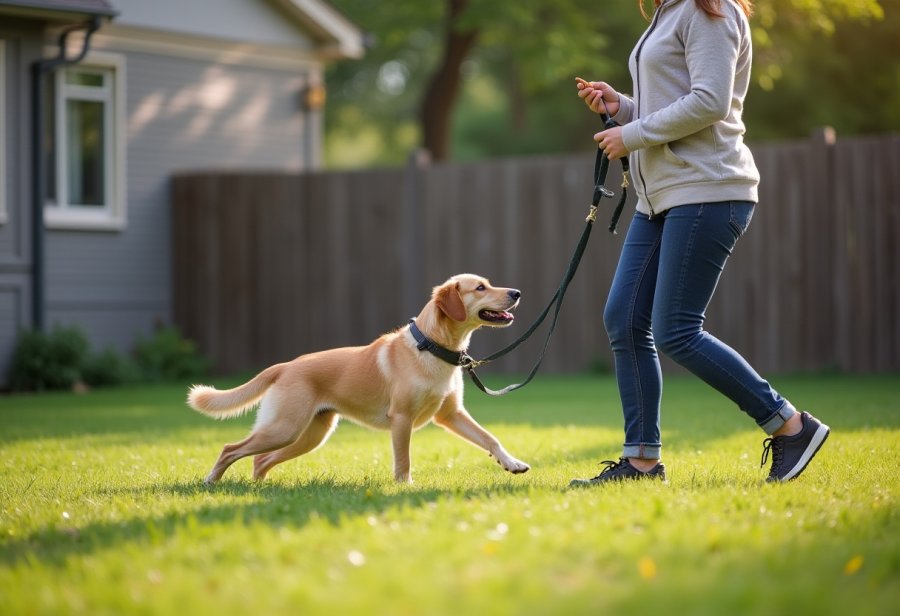
Seeing real-life examples can really highlight how consistency and patience pay off in calm dog walking training. Take Sarah, for instance, who started with short, quiet sessions in her backyard with her Labrador. Each time her dog stayed by her side without pulling, she rewarded him with treats. Gradually, she increased the distance and added mild distractions, reinforcing calm behavior along the way. Over weeks, her once stubborn puller became a polite walker, transforming their outings into moments of shared success.
In a busier setting, Tom took his Golden Retriever to a park filled with distractions—other dogs, children, and loud noises. At first, his dog was easily sidetracked, but by sticking to steady commands like “heel” and rewarding focus, Tom’s dog learned to ignore the chaos. This steady practice built his confidence and focus, proving that calm leash walking is possible even in lively environments with patience and routine.
Emily faced a challenge with her energetic Border Collie, Max. Starting in her quiet yard, she rewarded Max whenever he walked calmly. As his behavior improved, she gradually introduced more distractions and longer walks. Eventually, Max was walking politely even in crowded, noisy places, strengthening their bond through these small but consistent efforts.
Jake’s Labrador, Buddy, initially lunged at other dogs and was impatient on walks. By practicing “heel” regularly and rewarding calmness, Jake turned those stressful moments into peaceful ones. These stories show that dedication, starting in low-stress settings and gradually increasing difficulty, turns even difficult dogs into confident, calm walkers.
The key is to begin with simple routines and celebrate small successes. Consistent practice, patience, and positive reinforcement lay the groundwork for lasting habits. Every walk becomes a shared victory, deepening your bond and making outings more enjoyable and stress-free for both of you.
Budget-Friendly Tips for Training Gear and Rewards: Planning Your Expenses
Training your dog to walk calmly doesn’t have to break the bank, but being aware of the costs involved helps you plan effectively. Basic gear like a sturdy leash and a comfortable collar or harness are essentials and usually affordable. Investing in specialized equipment such as no-pull harnesses or head collars can make training quicker and easier, especially if your dog tends to pull. While these options might come at a higher price, they often reduce frustration and make sessions smoother for both of you, saving time and effort in the long run.
If you choose to enroll in training classes or hire a professional trainer, expect different price points depending on your location and the level of support you seek. Group classes are generally more budget-friendly and offer valuable socialization, while private lessons provide tailored guidance that can accelerate progress. Remember to budget for treats, toys, and other rewards, as these are key to reinforcing good behavior. Even small expenses like these add up, but they’re crucial for keeping your dog motivated and focused.
Planning ahead helps avoid surprises. Quality equipment might seem like a bigger upfront investment, but it tends to last longer and perform better, making it a smart choice over time. Treats don’t need to be expensive; many pet stores and online shops offer healthy, affordable options. If finances are tight, consider DIY solutions—making your own training aids or repurposing household items—to stay consistent without overspending.
Investing in the right tools and resources isn’t just about immediate results; it’s about creating a sustainable routine. Proper equipment combined with regular training reduces frustration and speeds up your dog’s learning process, ultimately leading to calmer, more confident walks. Remember, success depends more on your consistency and patience than on the most expensive gear. With thoughtful spending and dedication, you can achieve peaceful, enjoyable outings without draining your wallet.
From Planning to Practice: Turning Training Strategies into Daily Routines
Turning your training plan into a consistent routine is the key to making calm, confident walking a natural part of your daily life. Establish set times for walks and training sessions so your dog knows what to expect, creating a sense of stability that builds trust. Stick to the same commands and cues—like “heel” or “let’s go”—so your dog responds automatically, reinforcing good habits over time.
Start with short, focused sessions in quiet environments where distractions are minimal. This helps your dog concentrate on you and the cues without feeling overwhelmed. As they improve, gradually introduce more distractions and extend the length of walks, always rewarding calm, focused behavior. This slow progression helps your dog build confidence and self-control without feeling pressured.
Consistency in positive reinforcement is essential. Reward your dog immediately when they walk calmly at your side with treats, praise, or a favorite toy. These instant rewards strengthen the connection between good behavior and positive outcomes, encouraging your dog to repeat it. Be patient; every dog learns at their own pace, and celebrating small successes keeps motivation high.
Tracking progress through notes or videos can help you see improvements and identify areas needing more attention. Regular reviews of these records keep your training focused and allow adjustments tailored to your dog’s needs. If setbacks occur, don’t see them as failures—view them as opportunities to refine your approach.
Stay flexible and adapt your routine if your dog becomes distracted or pulls. Sometimes changing scenery or training at different times can make a difference. If challenges persist, consider using supportive equipment like head collars or harnesses to manage tension and promote calmness.
With steady effort and patience, these routines become second nature. Over time, your dog will respond more reliably, turning calm leash walking into an effortless part of your everyday bond. Consistency and compassion lay the groundwork for peaceful, joyful walks that strengthen your relationship and make outings more enjoyable for both of you.
Overcoming Hurdles: Navigating Risks and Challenges in Calm Dog Walking
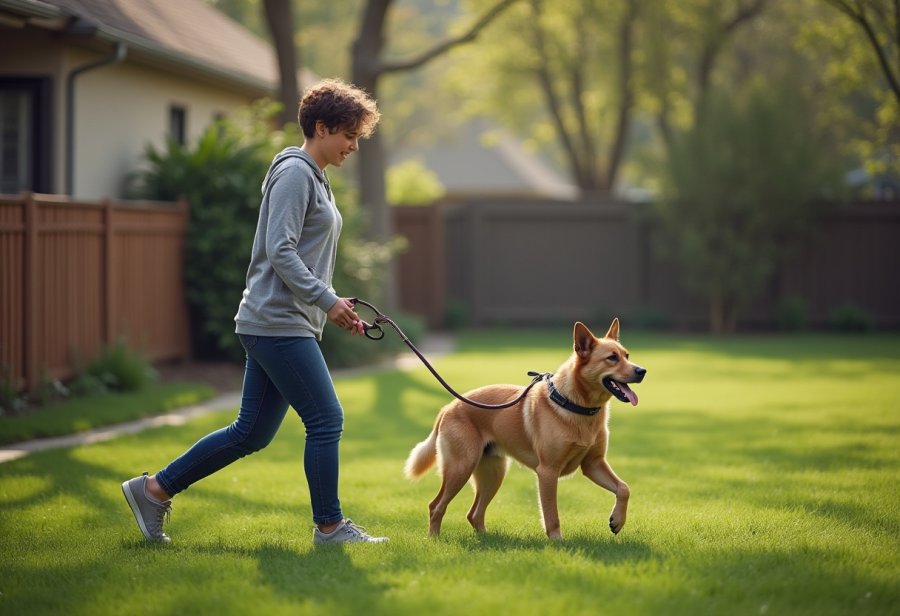
Training a dog to walk calmly isn’t always smooth sailing, and setbacks are a natural part of the process. One common challenge is leash pulling, often driven by excitement or curiosity. When your dog tugs, it can turn a simple walk into a frustrating tug-of-war if you’re not patient and consistent. Staying calm and using gentle redirection helps reinforce good behavior without escalating the situation.
Distractions like other dogs, loud noises, or wildlife can also throw your dog off track. It’s easy to get frustrated, but losing patience only makes things worse. Instead, maintain a steady, composed attitude and gradually expose your dog to these stimuli in controlled settings. This builds their confidence and helps them learn to focus despite chaos.
Pulling or lunging can also stem from anxiety or fear, especially in busy environments. Recognizing these signs early allows you to adjust your approach—perhaps by choosing quieter paths or shorter sessions until your dog relaxes. Supportive tools like no-pull harnesses or head collars can be useful here, helping redirect tension without discomfort and making training more manageable.
Remember, setbacks aren’t failures—they’re opportunities for growth. Break down training into smaller steps, celebrate tiny progress, and keep expectations realistic. Your dog will learn at their own pace, and persistence pays off over time. Patience and consistency are your best allies when things aren’t going perfectly.
Managing your own reactions is crucial. Dogs pick up on your emotions, so staying calm under pressure encourages them to mirror that calmness. If you get frustrated or anxious, it can reinforce unwanted behaviors. Keep a steady hand and a positive outlook, even during challenging moments.
Sometimes, seeking help from a professional trainer makes all the difference. They can offer tailored strategies and fresh perspectives to overcome persistent issues. A targeted approach can turn setbacks into stepping stones.
By embracing the ups and downs of training, you create a resilient, trusting relationship with your dog. Every challenge is a chance to reinforce patience and deepen your bond. With time, your walks will become more peaceful, enjoyable, and a true expression of your teamwork.