What if the greatest obstacle to learning to swim isn’t the water itself, but the courage to take that first step? This inspiring exploration reveals how water confidence can transform fears into freedom at any age, opening doors to lifelong safety, joy, and adventure. From supportive beginner exercises to adapting skills for diverse environments, the journey emphasizes patience, persistence, and the importance of a positive mindset. As technology and inclusive programs make swimming more accessible, the future promises a world where everyone can overcome water anxiety and embrace its benefits. Are you ready to turn water from a source of dread into a space of empowerment? This guide shows that with small, consistent steps, anyone can develop the skills and confidence to enjoy water safely—whether relaxing at a local pool, exploring lakes, or venturing into open water. The question is: how will your water journey begin?
Discover Lifelong Water Confidence: Transform Fear into Freedom
Learning to swim isn’t just about mastering strokes or floating techniques; it’s a lifelong investment in your safety and well-being. No matter your age, gaining water confidence can transform your experiences around water, opening up new adventures and creating a sense of control in situations that once felt intimidating. Whether relaxing at a local pool, enjoying a lakeside trip, or joining water-based fitness classes, swimming brings a unique sense of freedom and joy that’s hard to find elsewhere.
For many adults, the idea of learning to swim can seem daunting, especially if water has ever felt overwhelming or intimidating. But overcoming those fears isn’t just about learning a skill—it’s about building trust in your body and in the water, laying the foundation for confidence that lasts a lifetime. You don’t need to aim for Olympic-level skills; feeling safe and comfortable in water is enough to enjoy its many benefits.
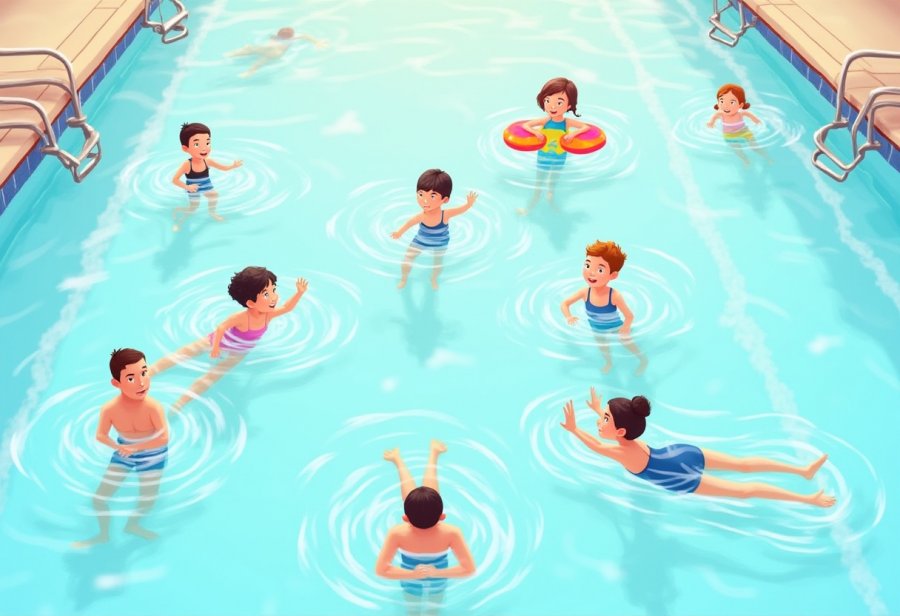
Starting your water confidence journey doesn’t have to be complicated. Simple steps like choosing a shallow, calm pool and familiarizing yourself with water’s sensations can make a big difference. Activities such as sitting at the edge, splashing water on your face, or floating supported help you become accustomed to the environment. These small, manageable exercises reduce nervousness and encourage trust, making each step feel natural and encouraging.
Support tools like kickboards, pool noodles, or guidance from an instructor can provide reassurance during those early stages. They help you practice basic movements without feeling vulnerable, slowly building your independence. As your confidence grows, you’ll naturally rely less on these aids and move toward feeling comfortable in your own abilities. Patience and persistence are key—every small success reinforces your progress.
Beyond technical skills, developing water confidence is also about mindset. Approaching each practice session with patience and a positive attitude makes the journey enjoyable and sustainable. Remember, everyone starts somewhere, and setbacks are normal. Celebrating small milestones keeps you motivated and reminds you that learning to swim is accessible at any age. Each step forward transforms water from a source of fear into a space of relaxation and joy.
The benefits of learning to swim extend far beyond the pool. It’s about turning fear into freedom, building resilience, and opening yourself to a lifetime of water-related activities. Taking that first courageous step today means you’re investing in your safety, independence, and a new world of adventure. Water confidence is within reach for everyone—no matter where you’re starting from.
Essential Preparation: Building Your Foundations Before Swimming
Before jumping into swimming lessons, it’s helpful to prepare both your mind and body. Gathering the right gear, like comfortable swimwear, goggles, and perhaps a swim cap, can boost your confidence and help you focus. Choosing a shallow, calm pool for your initial practice creates a safe environment where you can comfortably get used to water without feeling overwhelmed. This setting minimizes risks and allows you to concentrate on building trust in your abilities.
Getting comfortable in water starts with simple acclimation exercises. Submerging your face gradually, practicing slow, steady breathing, or sitting on the pool edge helps you become familiar with water’s sensations. These small steps are designed to ease anxiety and foster trust, making you feel more in control. Floating on your back or stomach, supported by floatation aids, boosts your confidence and helps you experience water as a safe space.
Support tools like kickboards, pool noodles, or gentle guidance from an instructor provide stability and reassurance. They allow you to practice basic movements without feeling vulnerable, gradually building your independence. As you gain confidence, you’ll find yourself relying less on these aids, moving toward more natural, unsupported swimming. Patience and consistent practice are key—every small step forward makes a difference.
Equally important is mental preparation. Approaching water with patience and an open mind helps you stay relaxed and motivated. It’s normal to feel nervous initially; acknowledging that everyone begins somewhere makes the process less intimidating. Setting realistic goals and celebrating small victories along the way reinforce a growth mindset and keep your enthusiasm high.
Choosing the right environment is crucial. Look for welcoming, well-maintained pools with experienced instructors who understand adult learners’ needs. Feeling secure in your surroundings boosts your confidence and makes each session more enjoyable. When you feel safe, your ability to focus and learn improves, paving the way for steady progress and a positive experience.
Remember, the goal isn’t perfection but creating a positive relationship with water. Proper preparation, supportive tools, and a nurturing environment lay the foundation for success. With patience and perseverance, these initial steps help you develop trust and comfort, transforming water from a source of fear into a space of confidence. Each effort builds toward a lifelong ability to enjoy and safely navigate water environments.
Step-by-Step Progress: Navigating Your Practical Swimming Journey
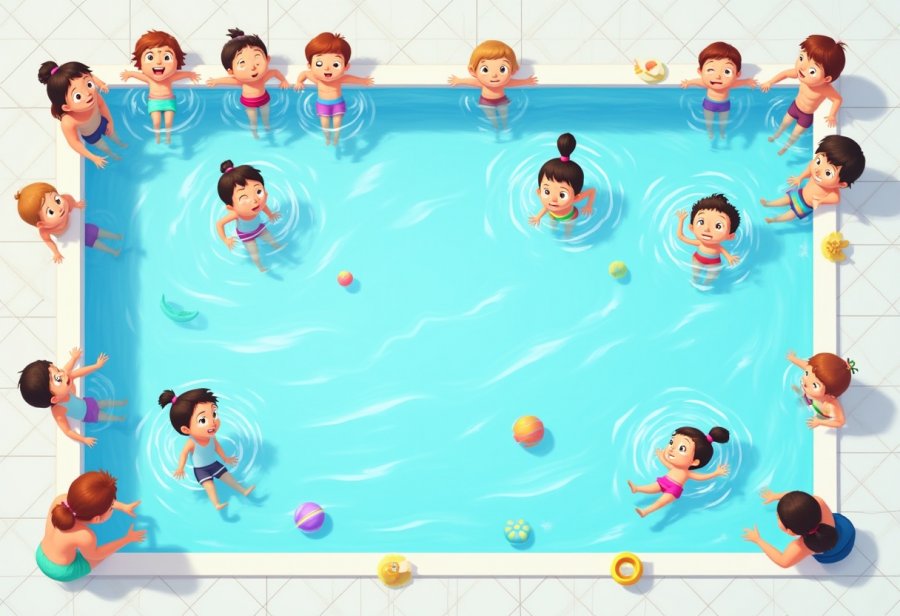
Learning to swim happens gradually, with each small step building your confidence and comfort in the water. It all starts with familiarizing yourself with the environment—feeling the temperature, noticing how your body responds, and getting used to water’s sensations. Simple activities like sitting at the pool’s edge, splashing water on your face, or gently submerging help ease anxiety and create a sense of trust. These early actions are crucial in making water feel less intimidating and more like a safe space.
As you become more comfortable, focus shifts to mastering basic movements. Floating on your back or stomach, supported by water or aids like floaties and kickboards, helps you feel more in control. Practicing gentle kicks and arm movements lays the groundwork for learning strokes later on. It’s normal to feel awkward or hesitant at this stage, but each small success reinforces your progress and helps water become a familiar, friendly environment rather than a source of fear.
Support tools such as kickboards, pool noodles, or the guidance of an instructor provide reassurance as you practice these foundational skills. They offer stability and help you develop independence without feeling vulnerable. Over time, as your confidence grows, you’ll rely less on aids and more on your own abilities. Patience is key—progress may be slow at times, but consistent effort and celebrating small victories will keep you motivated and moving forward.
Once floating and basic movements feel natural, breathing exercises become essential. Learning to breathe steadily while floating or kicking helps you stay relaxed and in control. Developing a comfortable breathing rhythm is a milestone that opens the door to more advanced skills. With each session, your ability to coordinate movement and breath becomes smoother, setting the stage for confident, independent swimming.
Throughout this journey, remember that setbacks are normal. Everyone learns at their own pace, and persistence makes all the difference. Supportive environments—shallow pools with experienced instructors—help you feel secure and encourage steady progress. Each step, no matter how small, transforms water from a place of anxiety into one of confidence and enjoyment, bringing you closer to embracing the water fully and safely.
Beyond the Pool: Applying Water Skills in Real-Life Adventures
Once you’ve built a solid foundation of basic swimming skills and gained confidence in the water, the next step is to put those skills into practice in real-world situations. Moving beyond the pool means exploring different environments like lakes, beaches, or open water, where conditions vary and present new challenges. Each setting requires you to adapt your techniques, stay alert, and trust your abilities, helping to turn your initial lessons into lasting confidence. Practicing in diverse water environments ensures you’re prepared for a wide range of scenarios, from gentle lakeside swims to more unpredictable conditions.
Safety habits become just as important as your technical skills when you’re outside the controlled setting of a pool. Always swim with a buddy, especially in open water, and stick to designated swimming areas. Keep an eye on water conditions—waves, tides, or weather changes—and know your limits. Developing these habits early on reinforces your sense of responsibility and ensures you’re ready to handle unexpected situations calmly. When safety becomes second nature, it boosts your confidence and helps you enjoy water activities with peace of mind.
Applying your skills in different settings also helps to make swimming feel more natural and enjoyable. Whether you’re relaxing at a friend’s pool, joining a water fitness class, or swimming during vacation, these experiences reinforce what you’ve learned and deepen your comfort. The more varied your practice, the more your confidence grows. Water stops being a source of anxiety and becomes a space for fun, relaxation, and exploration. Each new environment expands your sense of capability, turning initial fears into genuine freedom.
Sharing your progress with others can boost motivation and enjoyment. Joining local swim groups or community classes creates a supportive atmosphere where you can exchange tips, celebrate milestones, and learn from fellow learners. These groups often organize outings to different water settings, helping you expand your comfort zone and encouraging continued growth. Connecting with others keeps the journey engaging and reminds you that everyone progresses at their own pace.
Remember, applying your swimming skills outside the pool isn’t just about technical ability. It’s about cultivating a mindset of safety, adaptability, and joy. As you gain experience in various environments, water becomes a familiar, friendly space rather than a place of fear. Each new experience reinforces your confidence, helping you embrace water activities with ease—whether it’s a casual swim, a family trip, or an adventurous open water outing. The more you explore, the deeper your trust and enjoyment grow, making water a lifelong source of health, happiness, and adventure.
Future of Water Safety: Embracing Innovation and Inclusivity in Lifelong Swimming
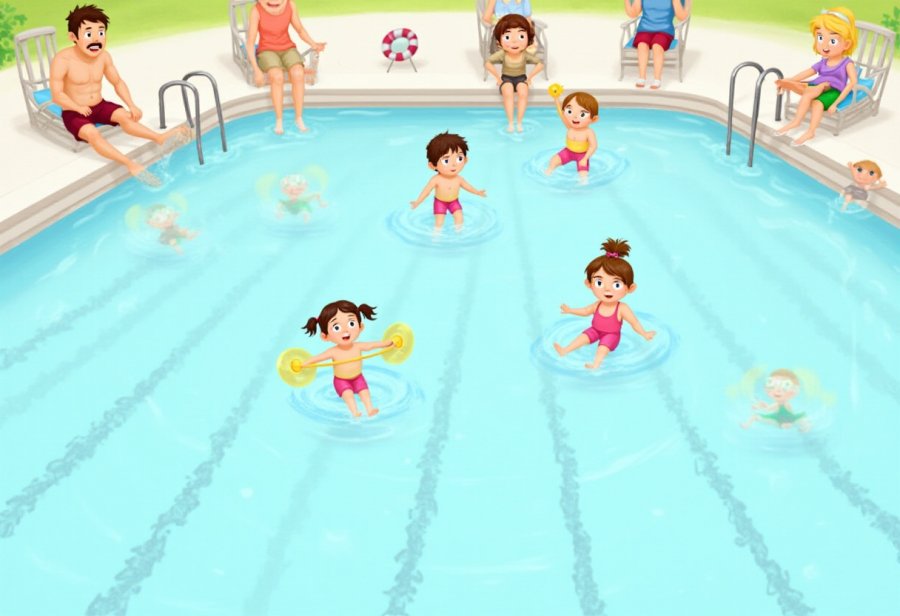
As awareness around water safety and confidence continues to grow, the future of lifelong swimming looks more promising than ever. Advances in teaching methods, like virtual lessons and community programs, are breaking down barriers and making water skills accessible to all ages. Technology—such as wearable devices and mobile apps—offers real-time feedback, helping learners track progress and stay motivated. These innovations not only make learning more personalized but also encourage consistency, which is key to building lasting confidence.
Inclusivity is gaining momentum in the swimming community. More programs are tailored to meet the needs of older adults, those with physical limitations, and individuals from diverse backgrounds. Adaptive techniques and specialized equipment ensure everyone can develop water confidence safely. This shift reflects a broader understanding that it’s never too late to start and that swimming is a universal skill that can be adapted to fit individual needs.
While progress is encouraging, challenges remain. Overcoming deep-seated fears and misconceptions about water requires patience and ongoing support. Equitable access to quality instruction, especially in underserved communities, is essential for making water safety universal. Maintaining high safety standards across all environments helps foster trust and prevents accidents, reinforcing the importance of responsible water habits.
Looking ahead, the goal is to embed swimming as a lifelong skill for everyone. Continued innovation in teaching tools, combined with a focus on safety and inclusivity, will help more people turn water fears into confidence. As barriers fall, the health, safety, and joy associated with swimming will become accessible to a broader audience, enriching lives in countless ways.
The journey doesn’t end once basic skills are acquired. Each new experience deepens trust in water and opens doors to adventures like open water swimming, water fitness, or even teaching others. Small, consistent actions—such as regular practice and setting achievable goals—keep the momentum alive. Embracing challenges with curiosity and patience transforms water from a source of anxiety into a space of freedom and fun.
Ultimately, the movement toward making lifelong swimming a reality for everyone is about more than just skills. It’s about fostering a mindset of safety, resilience, and joy that lasts a lifetime. The more we invest in accessible, inclusive, and innovative approaches, the more water becomes a place of empowerment rather than fear. Each step forward helps turn water from a potential threat into a lifelong source of health, adventure, and peace of mind.