




Underground street racing is a clandestine world fueled by adrenaline, craftsmanship, and unbreakable brotherhood. Beyond the roar of engines and neon-lit nights lies a culture rooted in loyalty, identity, and shared risk—where crews become families forged through late-night wrenching and mutual support. Despite increasing law enforcement crackdowns and safety concerns, racers adapt using digital tools and secret locations, ensuring the scene’s resilience. This culture’s evolution hints at a future where sanctioned events might offer safer outlets without sacrificing camaraderie. But what holds this community together amidst external pressures? It’s the deep bonds formed through trust, loyalty, and a shared passion for speed and craftsmanship. As technology and society shift, the core values endure—proving that underground racing is more than just a race; it’s a testament to human connection, resilience, and the unbreakable spirit of brotherhood that keeps the scene alive.
Journey into the Hidden World of Underground Street Racing
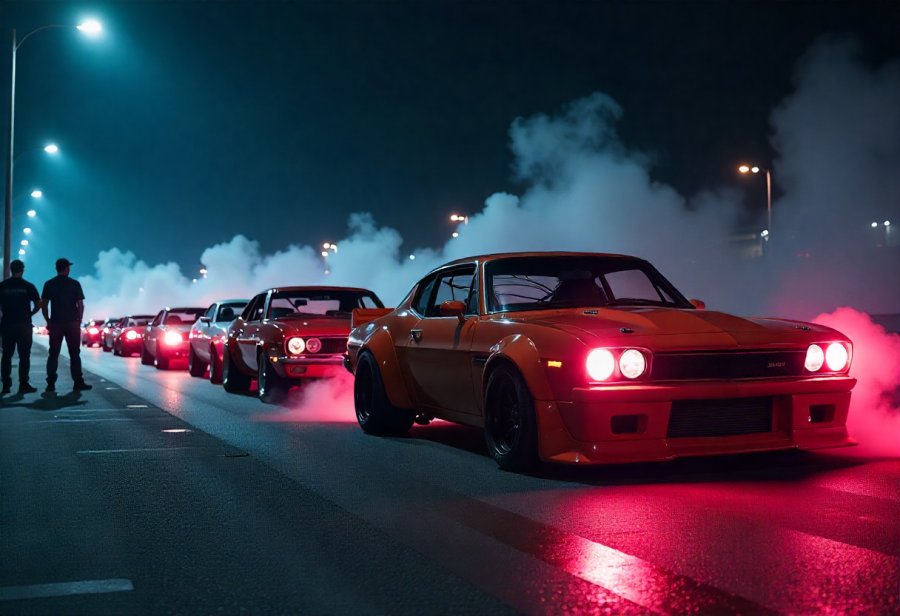
Underground street racing is a hidden world that thrives just beneath the surface of city life. It’s a scene fueled by adrenaline, rebellion, and a shared love for cars, where late-night races unfold on deserted streets away from prying eyes. Unlike official competitions, these races depend on trust and secrecy, creating a clandestine environment where speed, skill, and daring are tested in real time. For many young urban dwellers, street racing becomes more than just a thrill—it’s a form of expression, a way to carve out a space where they can challenge norms and showcase their individuality.
This culture runs deep in city communities, serving as a refuge from daily struggles and societal expectations. It’s built on more than just the rush of racing; it’s about connection, loyalty, and a sense of belonging. Racers often modify their cars to reflect their personal style and technical prowess, turning their vehicles into symbols of identity and pride. These gatherings foster tight-knit crews who rely on each other’s trust and support, turning fleeting races into moments of brotherhood forged in the heat of the night.
The roots of street racing trace back to mid-20th-century informal gatherings of car enthusiasts testing their machines in city streets. Over decades, it has evolved alongside urban youth culture, blending rebellion, craftsmanship, and camaraderie. Films, music, and media romanticized this high-speed lifestyle, fueling its growth and allure. Despite its illegal status, street racing became a vital part of nightlife, where loyalty and brotherhood often overshadowed the competition itself. It’s a resilient scene rooted in resilience, where risks are high, but the rewards are a deep sense of achievement and community.
Participants spend hours customizing their cars—adding turbochargers, repainting with bold designs, and upgrading performance parts—each modification a sign of loyalty and pride. These vehicles aren’t just tools for racing; they’re extensions of the racers’ personalities and their crew’s identity. The shared obsession with craftsmanship fosters a sense of belonging, passing down knowledge from veteran racers to newcomers. This technical skill and creative expression help sustain the scene, blending tradition with innovation.
While the scene faces ongoing challenges like law enforcement crackdowns and safety concerns, it continues to adapt. Digital tools, encrypted messaging, and secret locations help racers stay connected and organized, ensuring the culture’s resilience. Despite these hurdles, the core values of loyalty, brotherhood, and passion for cars remain at the heart of underground street racing, keeping the community alive and thriving in the shadows of the city.
Building Bonds and Brotherhood on Asphalt
Underground street racing isn’t just about the thrill of speed; it’s about forging bonds that run deeper than engines and asphalt. For many involved, being part of a crew or a close-knit group becomes a core part of their identity. These crews aren’t simply teams—they grow into families built on shared experiences, late nights wrenching on cars, and supporting each other through setbacks. Over time, trust and loyalty develop naturally, turning fleeting encounters into lifelong connections rooted in mutual support and understanding.
Loyalty acts as the glue holding these groups together. In a scene where betrayal can mean danger or exile, earning trust takes patience and unwavering commitment. Members help each other beyond racing—fixing cars, watching out for law enforcement, and standing by one another during disputes. These acts of support deepen bonds, transforming acquaintances into a brotherhood that’s built to last. It’s a shared understanding that they’re in this together, no matter what obstacles come their way.
Night races serve as more than just competitions—they are rituals that reinforce these bonds. Engines roar into the darkness as racers rely on each other’s skills and loyalty to navigate the dangers and uncertainties of the scene. These moments cultivate a trust that’s rare outside their circles, turning fleeting races into powerful memories. The secrecy and darkness of night foster a sense of kinship, where everyone feels responsible for each other’s safety and success, cementing a unity that’s hard to break.
A key part of this brotherhood is the shared passion for cars and modification. Hours are spent customizing vehicles—adding performance parts, repainting with bold designs, swapping technical tips—each effort a symbol of loyalty and pride. When a car bears a crew’s decals or unique paint, it becomes a badge of honor. This collective obsession with craftsmanship not only boosts morale but also deepens their sense of belonging, making each vehicle a reflection of both individual and group identity.
Beneath all the adrenaline and high-speed races, these bonds are what keep the scene alive. They’re built on unspoken rules and passed down traditions, earning trust through nights of shared work, risk, and celebration. These unwritten codes help crews stay resilient despite law enforcement crackdowns and external threats. In the end, the brotherhood forged in the heat of night races is the foundation that sustains the entire culture, turning fleeting moments into lifelong connections that define the scene’s true essence.
The Evolution and Resilience of Modern Street Racing
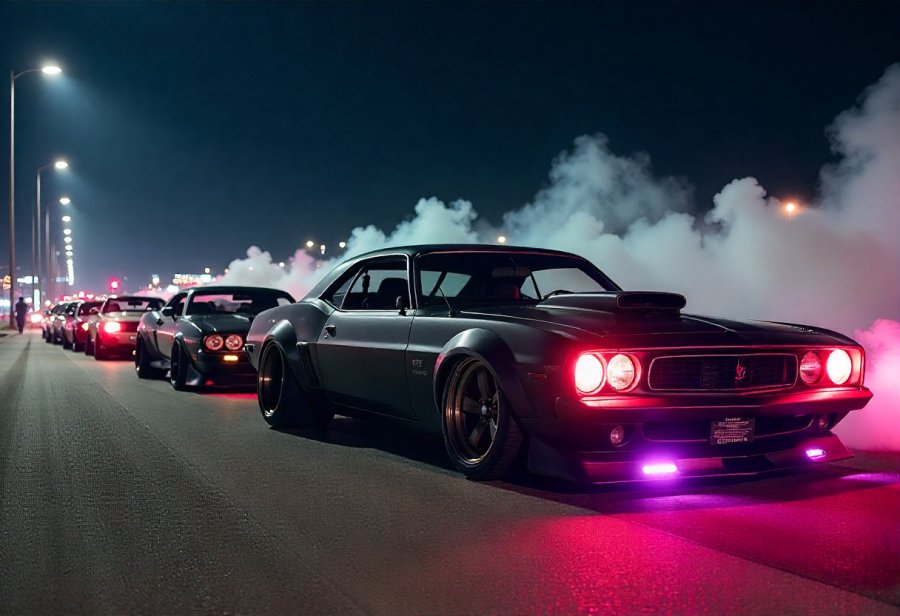
Today, underground street racing remains a resilient scene, thriving in cities worldwide despite increasing law enforcement scrutiny. Racers have become more tech-savvy, using social media platforms and encrypted messaging apps to organize their events discreetly. This digital shift allows them to stay a step ahead, making gatherings more elusive and harder for authorities to crack down on. Locations have shifted from quiet backstreets to abandoned industrial zones, underground parking garages, and other hidden spots, often shared through trusted networks to maintain secrecy.
The community’s diversity continues to grow, attracting both seasoned veterans and eager newcomers driven by the thrill of competition and the camaraderie it fosters. Many see their cars as extensions of themselves, showcasing their creativity through modifications and custom designs. Online forums, meetups, and tuning workshops serve as hubs where enthusiasts exchange ideas, share their latest builds, and strengthen bonds. This digital connection keeps the scene vibrant, even as it operates outside formal legal channels.
Despite intensified police efforts, the scene’s ability to adapt remains impressive. Racers employ new hiding tactics, GPS-based timing devices, and live-stream their races to small, private audiences. These innovations help keep the culture alive while reducing the risk of detection. Some crews leverage digital performance trackers to push their cars’ limits safely, blending old-school brotherhood with cutting-edge technology. This constant evolution helps sustain their passion and sense of community.
However, increased crackdowns mean racers face mounting dangers. Police undercover operations, vehicle seizures, and hefty fines are common, pushing racers to find new spots and develop even more discreet ways to organize. Safety concerns grow as drivers push their vehicles to the limit without proper precautions, raising the risk for everyone involved. Local residents and authorities often push back, demanding restrictions that threaten the scene’s survival.
Despite these hurdles, underground street racing persists because of its deep roots and cultural significance. The community’s capacity for innovation—through new hiding spots, digital tools, and modified vehicles—ensures its resilience. The core principles of loyalty, brotherhood, and shared passion remain central, even as the landscape shifts. This adaptability keeps the scene alive, continuously redefined by those committed to its spirit.
Looking ahead, technology will continue shaping how racers organize and modify their cars. Digital tools are likely to become even more sophisticated, making clandestine races harder to detect and shut down. Meanwhile, society may gradually recognize the cultural importance of these communities, possibly fostering safer, regulated alternatives like sanctioned events that honor their traditions. This balance of tradition and innovation could help preserve the bonds of trust that underpin the scene.
The enduring strength of underground street racing lies in its community’s ability to adapt without losing sight of its core values. The bonds forged through late-night races, shared risks, and mutual support form a lasting foundation that survives external pressures. As long as loyalty and brotherhood remain at its heart, the scene will continue to evolve, thriving in new forms while staying true to its roots. This resilience ensures that even in a world of constant change, the spirit of underground racing endures.
Respectful Engagement with a Culture of Speed and Loyalty
Understanding and engaging with street racing culture means approaching it with respect and genuine curiosity. While many outsiders see it simply as reckless or illegal, there’s a deeper story rooted in loyalty, brotherhood, and a shared passion for cars. Recognizing these foundations helps shed light on why the scene persists despite the risks and legal hurdles. It’s about seeing beyond the speed to appreciate the community built on trust, support, and identity.
To connect without encouraging illegal activity, start by observing from a distance and listening to community voices. Car shows, online forums, and meetups focused on craftsmanship and modification offer safe ways to explore the scene’s positive aspects. These spaces highlight the artistry, technical skill, and pride racers pour into their vehicles, showing that there’s more to this culture than just underground races. Sharing stories of camaraderie and craftsmanship can help others see its creative and technical side.
Respectful curiosity involves learning the language, customs, and unwritten rules that shape the culture. Many racers see their crew as family, and their bonds are built on late-night wrenching sessions, shared victories, and mutual trust. Understanding this reveals why loyalty is so sacred and why silence about certain aspects is often expected. Recognizing these norms fosters a nuanced view that appreciates the emotional and social bonds that hold the scene together.
The craftsmanship involved in modifying cars is a key part of this culture. Each upgrade, custom paint job, or technical tweak tells a story about the driver and their crew. These modifications symbolize pride, loyalty, and group identity. Celebrating this aspect—whether through legal car shows or community events—can highlight the scene’s creative side without endorsing illegal activity. It’s about appreciating the artistry and skill that fuel the passion.
Mentorship plays a vital role in maintaining the integrity of street racing culture. Experienced racers often pass down mechanical knowledge, safety tips, and racing techniques to newcomers, fostering a sense of continuity. This transfer of knowledge emphasizes trust and shared heritage, helping to preserve core values even as technology and societal attitudes evolve. Engaging with this mentorship reveals the scene’s supportive and resilient nature.
Promoting safety and responsibility doesn’t mean dismissing the culture’s significance. Instead, it encourages channeling enthusiasm into legal outlets like sanctioned events, educational workshops, or community projects. These avenues allow enthusiasts to showcase their skills and camaraderie in a controlled environment, preserving the bonds of trust and loyalty while reducing risks. Responsible engagement helps ensure that the positive aspects of the culture can flourish without unnecessary danger.
Embracing these elements fosters a deeper understanding of what underground racing truly represents. It’s about much more than speed — it’s a community built on shared passion, mutual support, and unbreakable loyalty. Recognizing this can inspire respectful engagement and appreciation for the craftsmanship, tradition, and brotherhood that define the scene. By approaching it with open-minded curiosity and a commitment to safety, outsiders can gain insight into a culture rooted in resilience and human connection.
Enduring Bonds and the Future of Underground Racing
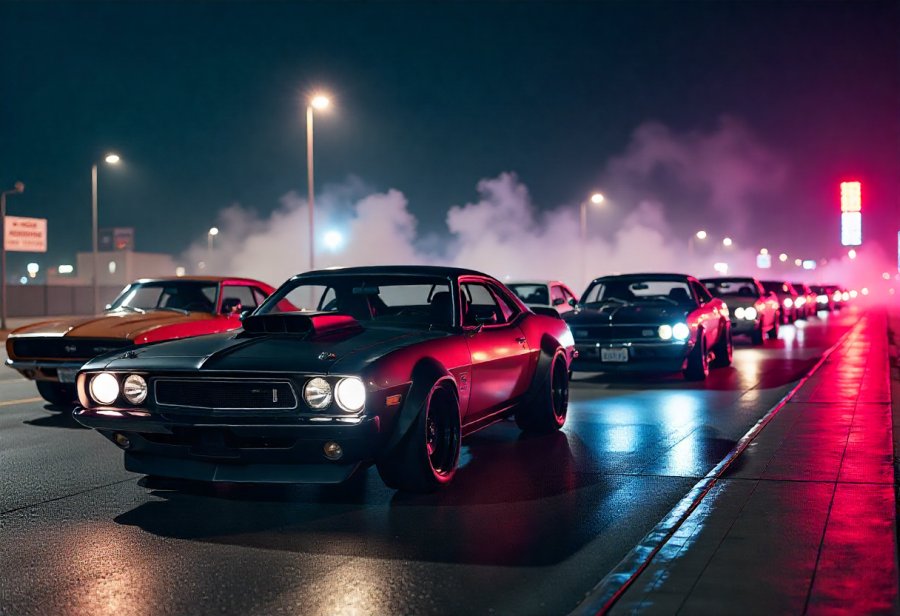
The future of underground street racing remains both resilient and adaptable, even as external pressures grow. Law enforcement efforts have intensified, and safety concerns have pushed the scene to find new ways to endure. Despite these challenges, the bonds of loyalty and brotherhood continue to hold the community together. Technological innovations—such as encrypted messaging, GPS-based performance tracking, and digital tuning—are enabling racers to organize more discreetly, making it harder for authorities to shut down their gatherings. These tools help preserve the underground culture while minimizing risk, allowing the community to stay connected in secret.
At the same time, many racers now see sanctioned events and legal car shows as safer outlets for their passion. These gatherings preserve the artistry, craftsmanship, and camaraderie central to the scene but in a controlled environment that promotes safety. They also serve as an entry point for newcomers eager to experience the brotherhood without risking illegal activity. This shift toward more formalized events helps safeguard the culture’s core values while opening opportunities for growth and wider acceptance.
Despite these evolving formats, the essence of underground racing—trust, loyalty, and shared passion—remains unchanged. The bonds formed late at night, through shared work on vehicles and mutual support, form a foundation that’s difficult to break. These relationships are built on unspoken rules and a deep sense of belonging, providing resilience even as locations and methods shift. The community’s ability to adapt without losing its core identity is what has kept it alive across generations.
Looking ahead, technology will likely continue to shape how racers organize and modify their cars, making clandestine activities even more discreet. Society’s perception of street racing might also gradually shift, potentially leading to more official, regulated outlets that honor the culture’s roots while emphasizing safety. Such developments could help bridge the gap between underground loyalty and mainstream acceptance, ensuring the scene’s vitality endures.
What’s clear is that the strength of this brotherhood lies in its capacity to evolve without sacrificing its foundational values. The loyalty, trust, and shared experiences forged in the heat of night races create a resilient community that can withstand external threats. As long as these bonds remain intact, underground street racing will continue to adapt and thrive, reflecting a culture that’s as much about human connection as it is about speed. This enduring spirit guarantees that, no matter how the landscape changes, the core of the scene will persist—driven by passion, loyalty, and the unbreakable bonds of brotherhood.