The Dodge Charger stands as an enduring symbol of American muscle and rebellious spirit, igniting primal instincts with its aggressive design and thunderous power. From its late-1960s roots to modern interpretations, it embodies freedom, individuality, and raw performance. Yet, as environmental concerns and urban practicality challenge its legacy, questions arise: can this icon evolve without sacrificing its fierce identity? Its bold silhouette, legendary engines like the HEMI V8, and cultural significance continue to inspire loyalty and debate—balancing tradition with innovation. Modern models integrate advanced safety, efficiency, and technology, broadening its appeal while maintaining the Charger’s commanding presence and performance-driven soul. Is the Charger simply a relic of a less responsible era, or does it exemplify resilience and adaptation in the face of modern demands? This tension underscores its enduring allure—more than just a car, it’s a living legend, forever challenging perceptions of power, rebellion, and American muscle.
Unleash the Icon: The Dodge Charger’s Rebellion on Wheels
The Dodge Charger isn’t just a car; it’s a symbol that embodies American muscle and rebellion. Its bold design and raw power have cemented its status as an automotive icon, capturing the imagination of enthusiasts and thrill-seekers alike. From the moment it first appeared on the scene in the late 1960s, the Charger made a statement: this was a vehicle built to dominate the road and defy conventions.
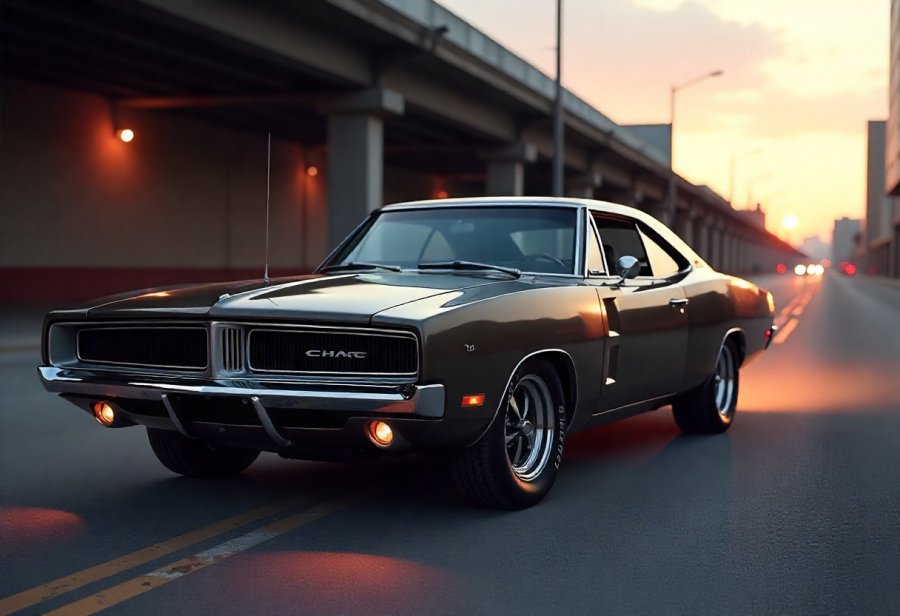
Its silhouette is instantly recognizable—sleek, aggressive, and commanding. The split grille, fierce headlights, and muscular lines project an attitude of predatory confidence, while wide fenders and a broad stance suggest strength and stability. Every detail, from racing stripes to hood pins, underscores its street-racing roots and rebellious spirit. The Charger isn’t designed to blend in; it’s meant to stand out and make a bold impression.
At its core, the Charger is about performance. Its engines, especially the legendary HEMI V8s, produce a thunderous growl that echoes primal power. That deep, resonant sound isn’t just noise—it’s a declaration of ferocity. Modern variants, like the SRT Hellcat, push horsepower beyond 700, transforming the Charger into a street-racing beast that satisfies the deepest instincts for speed and dominance.
But the Charger’s appeal goes beyond just specs and looks. It’s a cultural symbol of freedom and rebellion, embodying a desire to break free from conformity. Whether tearing down highways or parked at a car meet, the Charger’s presence commands respect. It’s a machine built not just for performance, but for making a statement—an extension of attitude and individualism.
This iconic muscle car has endured decades of change, yet its essence remains unchanged. It continues to spark passion because it represents more than just raw power; it captures a spirit of defiance and independence. The Dodge Charger is more than a vehicle—it’s a legend that has defined American muscle and rebellion for generations.
Primal Power: Why the Dodge Charger Defines American Muscle
The Dodge Charger epitomizes what it means to be a true American muscle car: raw, unfiltered power fused with primal instinct. It’s designed to ignite an immediate, visceral reaction—speed, strength, and attitude radiate from its very core. Unlike modern vehicles that prioritize efficiency or tech features, the Charger’s essence lies in delivering ferocious performance that connects on an emotional level. When you press the accelerator, you don’t just move forward—you unleash a surge of primal energy that’s impossible to ignore.
Rooted in the performance-driven culture of the 1960s, American muscle cars like the Charger emerged as symbols of rebellion and dominance. They embodied a desire for freedom, individuality, and the thrill of the open road. The Charger’s aggressive styling and thunderous engines became a rallying cry for those seeking to carve their own path, standing out as a bold declaration of independence. Its design isn’t just aesthetic; it’s a visual shout that this machine is built to dominate.
At the heart of the Charger’s primal appeal are its legendary HEMI V8 engines. These powerplants produce a deep, resonant growl that feels like a roar from the wild—an unmistakable sign of raw muscle. Modern versions, like the supercharged SRT Hellcat, push horsepower well beyond 700, transforming the Charger into an unstoppable beast that satisfies the deepest instincts for speed and power. Every rev and acceleration feels like awakening a predator born to hunt and conquer.
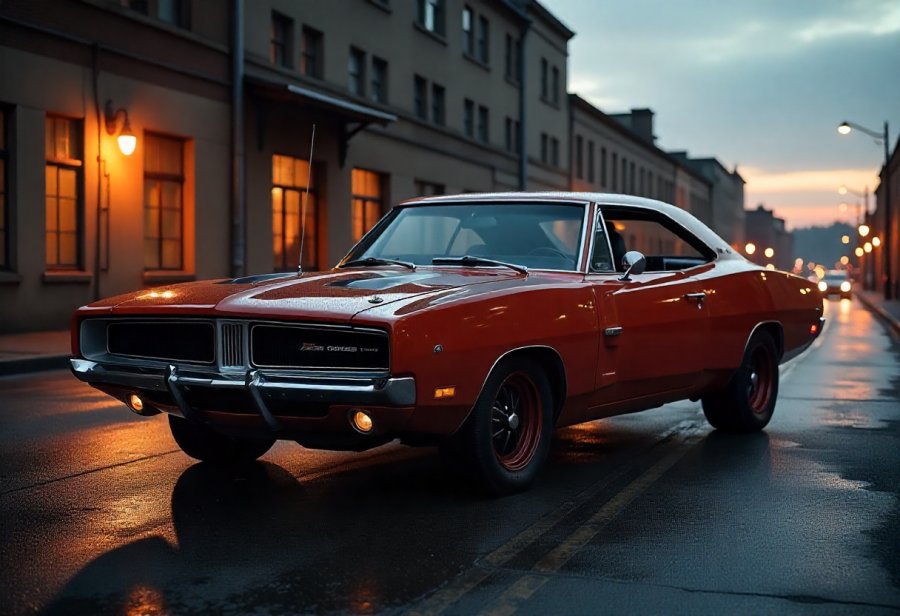
The Charger’s muscular silhouette reinforces this primal identity. Wide fenders, sculpted lines, and an aggressive grille suggest a predator ready to pounce. Details like hood pins and racing stripes aren’t just visual cues—they’re purposeful touches that evoke a racing heritage and street-racing attitude. The overall presence commands respect, reminding everyone that this isn’t just a car; it’s a living embodiment of road dominance and rebellion.
Beyond its technical prowess, the Charger taps into something deeper—an emotional connection rooted in the desire for freedom and self-expression. Its engine roar and powerful acceleration awaken a sense of confidence and independence. It’s a machine that encourages its driver to embrace their primal instincts, to push boundaries, and to stand out unapologetically in a crowd.
Ultimately, the Dodge Charger isn’t just about speed or style; it’s a symbol of American muscle’s enduring spirit. It captures the raw, rebellious heart that refuses to conform, embodying a tradition of power and individuality that continues to resonate across generations. The Charger remains a vivid reminder that, sometimes, true strength comes from embracing our primal roots.
Contradictions in Velocity: The Challenges Facing the Classic Charger
The Dodge Charger’s reputation as a symbol of raw power and rebellion isn’t without its challenges. Critics often point to its poor fuel efficiency and environmental impact, which clash with today’s growing emphasis on sustainability. As emissions standards tighten and fuel prices remain high, the big engines and aggressive styling that define the Charger can seem out of step with modern priorities. Its size and weight also raise questions about practicality, especially in urban settings where maneuverability and parking are more demanding. These issues spark ongoing debates about whether the Charger can truly adapt to a world increasingly focused on eco-consciousness and efficiency.
Within automotive circles, opinions about the Charger are sharply divided. Enthusiasts praise its fierce styling, thunderous engine roar, and rebellious spirit, viewing it as a genuine emblem of American muscle and attitude. They see it as a bold statement of independence, a machine that refuses to conform. On the other side, critics highlight environmental concerns, safety considerations, and the high cost of ownership. Some question whether such a car belongs on modern roads or if it’s simply a nostalgic throwback fighting against the tide of progress. These contrasting views highlight the challenge of balancing the Charger’s iconic image with contemporary standards.
Public perception adds another layer of complexity. To many, the Charger still symbolizes freedom and rebellion, embodying the American muscle car spirit. Yet, in increasingly urban and eco-aware environments, it’s often seen as a relic of a less responsible era—loud, excessive, and out of place in quiet neighborhoods. For some, it’s a vintage icon better suited to history than the streets of today. Others argue that its bold presence and raw power continue to inspire respect and admiration, making it more than just a nostalgic symbol.
Automakers are aware of these tensions and are working to find a middle ground. Recent models incorporate advanced safety tech, improved fuel economy, and emissions-reducing features, aiming to preserve the core attitude of the Charger while aligning with modern standards. Some versions now offer hybrid options or performance-tuned engines that deliver power with greater efficiency. Still, the fundamental question remains: can the Charger maintain its primal identity without sacrificing practicality or environmental responsibility?
The ongoing debate about the Charger’s place in modern society fuels its legendary status. It’s a car that sparks passion and controversy in equal measure, embodying both the rebellious spirit of muscle cars and the realities of today’s automotive landscape. This duality keeps the Charger relevant, as it challenges perceptions and invites discussion about what a muscle car can be in the 21st century. It’s more than just a vehicle—it’s a symbol that continues to provoke thought and inspire loyalty.
Despite these conflicts, the Charger’s raw appeal endures. Its roaring engines and aggressive stance remain captivating, reminding us of a time when speed and attitude ruled the road. While some see it as an outdated icon, others view it as a resilient legend that can evolve without losing its soul. The challenge is to honor its roots while embracing innovation—a balancing act that defines its ongoing story.
In the end, the Charger’s contradictions only add to its mystique. It’s a testament to the enduring appeal of American muscle, capable of stirring debate and admiration alike. Its story is one of defiance and adaptation, a reminder that true icons withstand the test of time by evolving without losing their essence. The Charger remains a fierce, rebellious force on wheels, forever challenging perceptions and celebrating its primal, unbreakable spirit.
Modern Muscle: The Dodge Charger’s Role in Today’s Automotive Landscape
Today, the Dodge Charger continues to carve out its place in modern automotive culture by blending its legendary roots with current trends. While it remains a favorite among enthusiasts seeking raw performance and aggressive styling, recent models have integrated advanced safety features, modern technology, and improved fuel efficiency. This combination helps the Charger stay competitive and relevant, appealing to a broader audience without losing its primal edge.
Despite its size and muscle-car heritage, the Charger proves surprisingly practical for everyday life. Its spacious interior offers comfort and versatility, making it suitable for city streets and highway cruising alike. Engineering improvements have enhanced maneuverability and parking assistance, easing urban driving challenges. Yet, its bold, muscular stance still commands attention, turning heads wherever it goes and serving as a mobile expression of attitude and rebellion.
The Charger’s influence extends well beyond the road. It’s a staple in pop culture, often appearing in movies, music videos, and social media where its fierce design and roaring engine symbolize rebellion and individuality. Owners frequently personalize their cars with custom wraps, performance upgrades, and aftermarket accessories, transforming each into a unique statement of self-expression and attitude.
Design cues from the Charger—such as its wide stance, muscular lines, and aggressive front grille—have inspired automakers across the industry. These elements have helped shape a new wave of American muscle cars, ensuring the Charger’s legacy influences future performance models. Its bold aesthetic continues to set a standard for what a modern muscle car can embody: power, attitude, and presence.
Technological advancements have further cemented the Charger’s relevance. Features such as adaptive cruise control, modern infotainment systems, and driver assistance tools provide a safer, more convenient driving experience. Despite these modern touches, the core performance remains intact. The thrill of unleashing a supercharged engine or feeling that primal surge of acceleration keeps the Charger at the top of performance enthusiasts’ lists.
Performance remains central to its identity. High-horsepower engines, especially the supercharged variants, continue to deliver jaw-dropping speed and street-racing appeal. This relentless pursuit of raw power and adrenaline ensures that the Charger remains a symbol of American muscle’s primal spirit, appealing to those who crave speed and dominance on the open road.
In essence, the Dodge Charger serves as a bridge between past and future. It honors its history as an icon of American muscle while evolving to meet modern demands. This balance of tradition and innovation keeps it relevant, inspiring new generations of drivers and fans to see it not just as a relic but as a living legend—an unstoppable force that continues to define what it means to own the road.
Eternal Legend: The Dodge Charger’s Journey from Inception to Icon
The Dodge Charger’s journey from its debut in the late 1960s to its status as an enduring automotive icon is a story of resilience and continuous reinvention. Born from a desire for speed and attitude, it quickly became a symbol of American muscle and rebellion, capturing the imagination of enthusiasts and street racers alike. Its bold design, thunderous engines, and rebellious spirit made it more than just a car; it became a cultural statement embodying freedom and individualism on the open road.
Over the decades, the Charger faced numerous challenges—from shifting regulations to evolving market tastes and fierce competition. Yet each new generation managed to honor its primal roots while integrating modern technology and safety features. This ability to adapt without losing its core identity has kept the Charger relevant, appealing to nostalgic fans and new drivers seeking performance with a contemporary edge. Its design and performance continue to evoke the raw power that first defined it, proving that its legacy is rooted in a foundation that’s both strong and flexible.
Today’s models blend cutting-edge performance and advanced driver-assistance systems with the muscle car’s traditional aggressive styling. The roar of its engines still commands attention, and its wide, muscular stance remains a symbol of raw power. While more practical for daily driving than ever before, the Charger continues to inspire with its primal spirit, encouraging drivers to embrace their instincts and push boundaries. Its presence on the road is a reminder that true muscle isn’t just about speed—it’s about attitude, rebellion, and staying true to one’s roots.
The Charger’s cultural impact has only grown, securing its place in movies, music, and social media as a symbol of rebellion and independence. Owners personalize their vehicles with custom modifications, turning each into a unique extension of attitude and self-expression. This ongoing relationship between the car and its community ensures that the Charger’s influence extends far beyond its technical specs, inspiring new generations to see it as more than just a machine—it’s a living legend that continues to define the spirit of American muscle.
In the end, the Dodge Charger’s story is one of unwavering spirit and adaptability. It has defied time and trends, maintaining its primal essence while evolving to meet modern demands. Its legacy is built on a foundation of power, rebellion, and resilience—an icon that refuses to fade away. As it moves forward, the Charger remains a testament to the enduring appeal of raw American muscle and the relentless pursuit of freedom on four wheels.